How to Care for Snake Plant
Grow the near-indestructible Snake Plant (Dracaena trifasciata) in low to bright light with sparing water and gritty soil.
Read the full Snake Plant encyclopedia entry →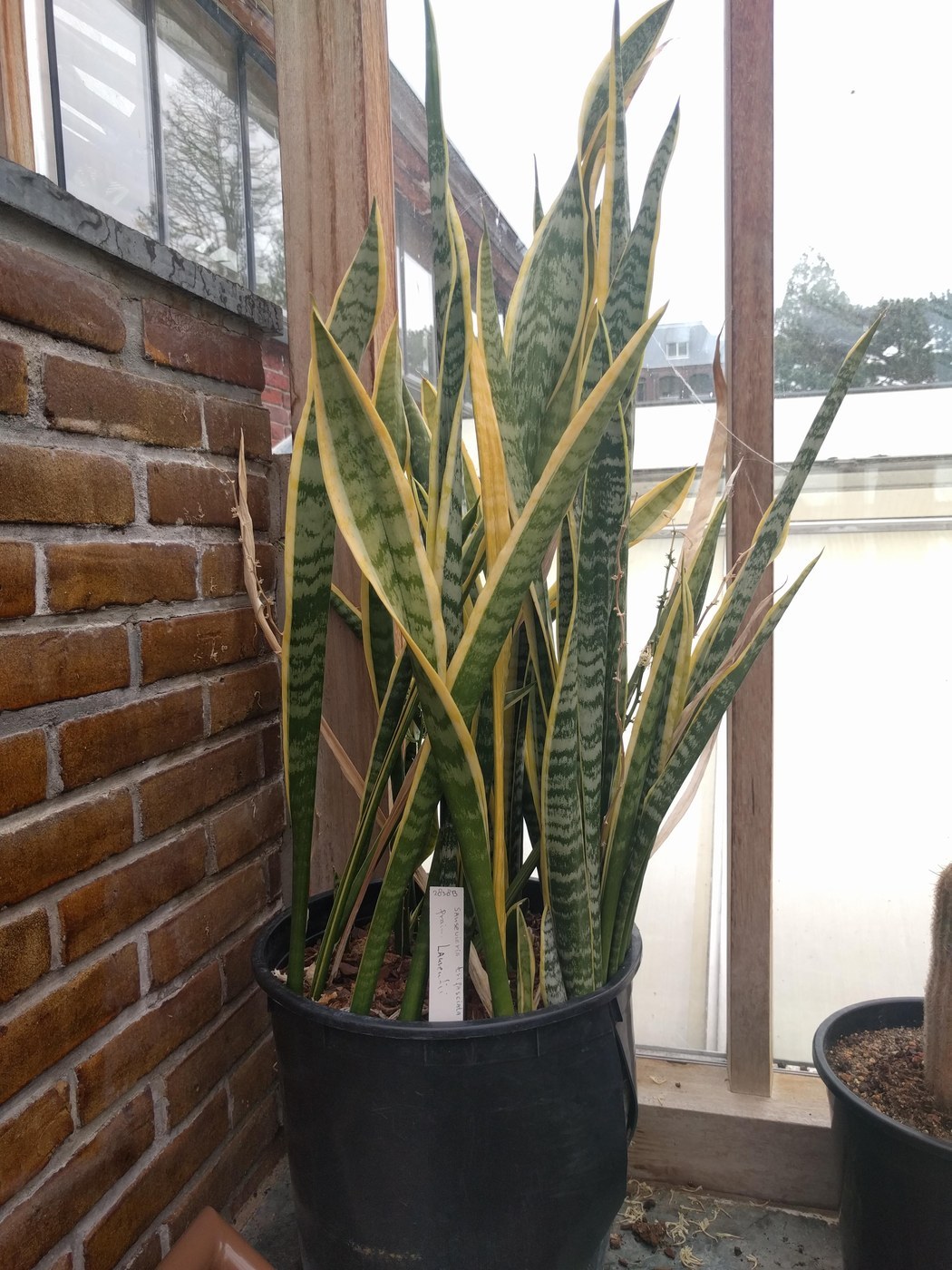
Snake Plant (Dracaena trifasciata, long known as Sansevieria) is among the toughest and most forgiving houseplants, with stiff, upright, sword-shaped leaves patterned in bands of green. It stores water in its succulent foliage and rhizomes, tolerating low light and irregular watering with ease.
Light
Snake Plant adapts to a wide range of light, from low light to bright indirect light. It survives in dim corners but grows faster, keeps stronger variegation, and stays more compact in bright indirect light. It can take some direct sun if acclimated gradually. In very low light growth slows almost to a standstill, so reduce watering to match.
Water
Water sparingly and let the soil dry out completely between waterings. Because the plant stores water in its leaves and rhizomes, it far prefers being too dry to too wet. In low light or winter, watering once a month or less is often enough. Overwatering causes soft, yellowing, collapsing leaves and root rot, the single most common way Snake Plants are lost.
Soil & Potting
Use a free-draining mix such as cactus or succulent soil, or ordinary potting mix amended with perlite, sand, or pumice. A pot with drainage holes is essential. Snake Plants are happy being pot-bound and their vigorous rhizomes can crack thin pots over time, so choose a sturdy container and do not rush to size up.
Humidity & Temperature
Snake Plant tolerates a broad range of ordinary indoor conditions and average household humidity. It prefers warm room temperatures and dislikes cold; keep it away from frost, cold drafts, and chilly windowsills in winter, as cold damages the leaves. It handles dry indoor air without complaint.
Feeding
Feeding needs are minimal. During spring and summer, an occasional dilute dose of balanced or succulent fertilizer, perhaps once a month or every other month, is plenty. Do not feed in autumn and winter. Overfeeding produces weak, floppy growth, so keep it light.
Propagation
Propagate by division or leaf cuttings. The easiest method is to divide the rhizome clump at repotting, separating sections that each have leaves and roots and potting them individually. You can also cut a healthy leaf into segments, let them callus for a day or two, and insert them upright into dry, gritty mix; be aware that leaf cuttings of variegated forms revert to plain green. New pups also emerge from the rhizome and can be separated.
Repotting / Pruning
Repot only every few years, when the plant is tightly root-bound or the rhizomes deform the pot, moving up one pot size in spring. Snake Plants genuinely prefer snug quarters. Pruning is simple: cut off any damaged, mushy, or unsightly leaves at the soil line with a clean blade, and remove flower stalks after they fade.
Common Problems & Pests
Overwatering is the chief hazard, showing as yellowing, soft, or mushy leaves and root rot; let the soil dry fully and repot in fresh dry mix if rot sets in. Wrinkled or curling leaves signal underwatering. Leaves that fall over often mean too much water or too little light. Mealybugs and spider mites are occasional pests; wipe them off and improve conditions.
Seasonal Care Tips
Water a bit more often during the warm growing months, always letting the soil dry first, and cut back sharply in autumn and winter when growth stalls. Keep the plant warm and away from cold windows in winter. Repot and divide in spring, and dust the broad leaves periodically so they can photosynthesize efficiently.
Frequently asked questions
How often should I water a Snake Plant?
Only when the soil is fully dry, often every two to four weeks and even less in low light or winter. When in doubt, wait; the plant tolerates drought far better than overwatering.
Can a Snake Plant survive in low light?
Yes, it is one of the best plants for low light. It will simply grow slowly, so water less to match. For faster growth and stronger variegation, give it bright indirect light.
Why are my Snake Plant's leaves falling over?
Floppy, soft leaves usually mean overwatering or too little light. Let the soil dry fully, ensure the pot drains, and move it somewhere brighter to firm up new growth.
How do I propagate a Snake Plant?
Divide the rhizome clump at repotting so each piece has leaves and roots, or cut a leaf into segments, callus them, and root in dry mix. Note leaf cuttings of variegated types revert to plain green.
Snake Plant identified by the community
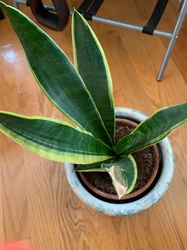
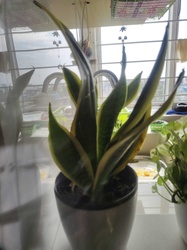
Recent Snake Plant specimens identified with Plant Identifier.