How to Care for Strawflower
Grow strawflowers (Xerochrysum bracteatum) for papery, long-lasting blooms in vivid colors. Full sun and good drainage keep them thriving.
Read the full Strawflower encyclopedia entry →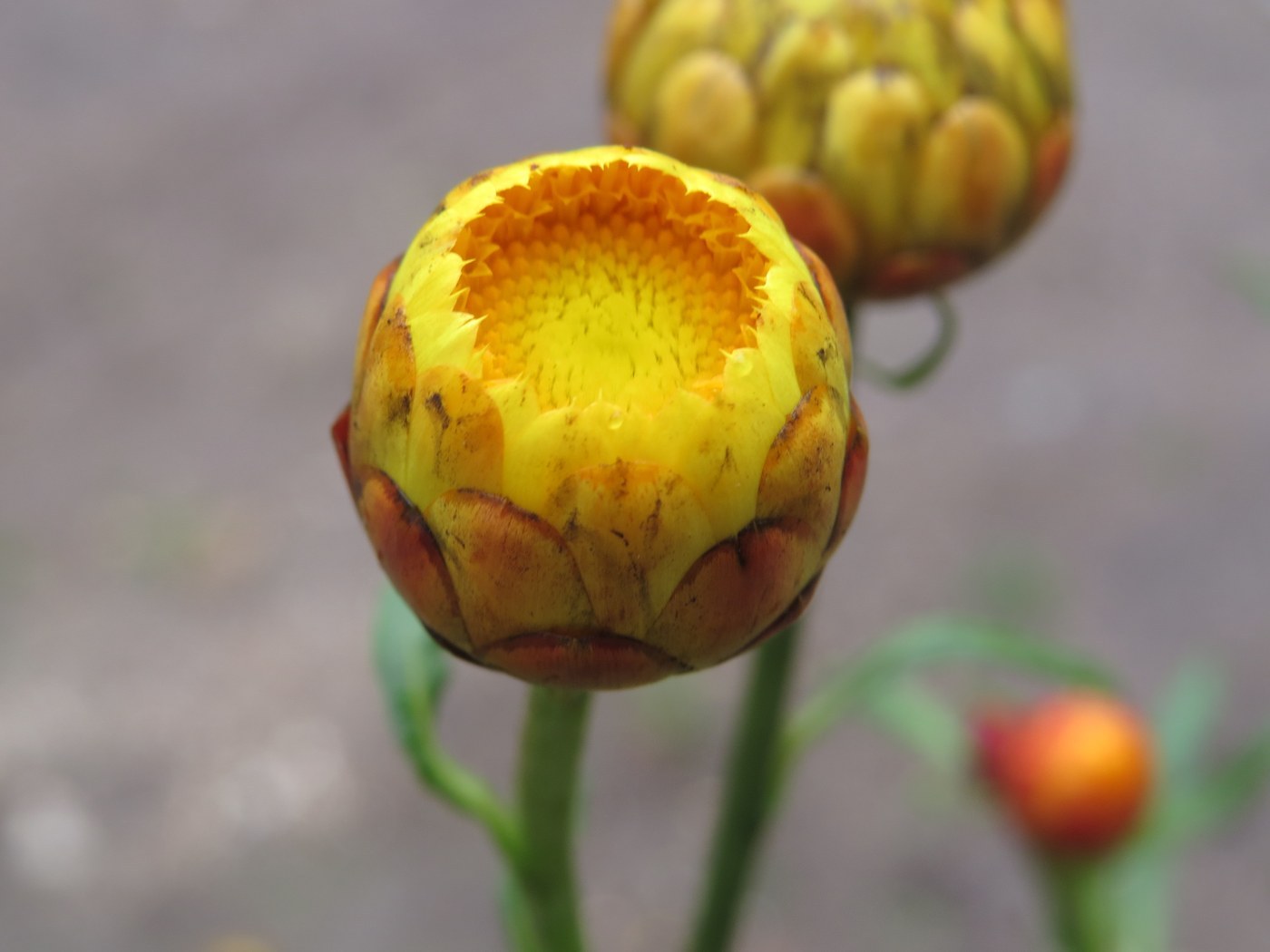
Strawflowers are sun-loving annuals (perennial in mild climates) famous for their stiff, papery bracts that feel like straw and hold their brilliant colors for weeks on the plant. They bloom in a wide range of warm shades and are among the best flowers for drying.
Light
Full sun is essential. Strawflowers need at least 6 hours of direct light for sturdy stems and abundant, well-colored blooms. In shade they stretch, flop, and flower poorly.
Water
Water is moderate; let the soil dry slightly between waterings. These plants are fairly drought tolerant once established and strongly dislike soggy conditions. Water deeply but allow the surface to dry before watering again, and avoid wetting the foliage late in the day.
Soil & Potting
Grow in well-drained soil of average fertility. Light, sandy to loamy soils are ideal, and sharp drainage is critical to prevent root and stem rot. For containers, use a free-draining potting mix and ensure pots have good drainage holes.
Humidity & Temperature
Strawflowers thrive in warm, sunny weather and prefer moderate to low humidity, which keeps the papery bracts crisp. They are tender to frost and grown as summer annuals in cold regions. Good airflow helps prevent fungal problems in humid climates.
Feeding
Feed lightly. A balanced fertilizer at half strength every few weeks during active growth supports steady bloom, but avoid heavy nitrogen, which produces leaves at the expense of flowers. Overfeeding also leads to soft, floppy stems.
Propagation
Propagate from seed. Surface-sow or barely cover the seed, as light aids germination, and keep it warm. Start indoors several weeks before the last frost or sow directly once the soil warms. Seedlings transplant reasonably well when handled young.
Repotting / Pruning
Pinch young plants when a few inches tall to encourage branching and more flowers. Deadhead regularly to keep new blooms coming, or harvest flowers for drying just as they open by cutting long stems and hanging them upside down in a dark, airy spot. Container plants rarely need repotting within a single season.
Common Problems & Pests
Aphids may cluster on new growth, and downy or powdery mildew can appear in damp, crowded plantings. The most common problems stem from overwatering and poor drainage, which cause root rot and stem collapse. Provide spacing, full sun, and dry-ish soil to keep plants healthy.
Seasonal Care Tips
Start seed indoors in late winter or sow outdoors after frost. Pinch early for bushier plants, then deadhead or harvest through summer to keep the display going. Cut flowers for drying at their peak in mid to late summer, and pull spent plants after frost in cold climates.
Frequently asked questions
How do I dry strawflowers?
Cut long stems just as the flowers begin to open, strip the leaves, and hang small bunches upside down in a warm, dark, airy place. The papery bracts hold their color for months.
Why are my strawflowers leggy with few blooms?
They are likely not getting enough sun or are overfed with nitrogen. Move them to full sun, feed lightly, and pinch young plants to encourage branching and more flowers.
How often should I water strawflowers?
Water deeply, then let the soil dry slightly before watering again. They are drought tolerant once established and are prone to rot in constantly wet soil.
Can strawflowers grow in pots?
Yes. Use a free-draining mix in a pot with drainage holes, place it in full sun, allow the soil to dry between waterings, and deadhead regularly for continuous bloom.
Strawflower identified by the community
Recent Strawflower specimens identified with Plant Identifier.