Strawflower
Xerochrysum bracteatum
An Australian annual prized for its papery, daisy-like bracts that keep their bright color long after cutting, making it a favorite for dried-flower arrangements. The crisp, straw-textured petals come in gold, orange, red, pink and white.
- Light
- Full sun
- Water
- Moderate; let soil dry slightly between waterings
- Difficulty
- Easy
Got a plant like this?
Identify any plant from a photo, free.
Overview
Strawflower is an upright, sun-loving annual (sometimes short-lived perennial) native to Australia. Its name comes from the dry, papery texture of its colorful bracts, which crackle like straw to the touch.
Gardeners grow it for season-long bloom and for cutting, since the flowers hold their shape and color remarkably well when dried. It is also a magnet for bees and butterflies in the summer border.
How to identify it
- Stiff, branching stems 1-3 ft (30-90 cm) tall with grey-green, lance-shaped leaves
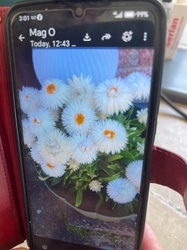
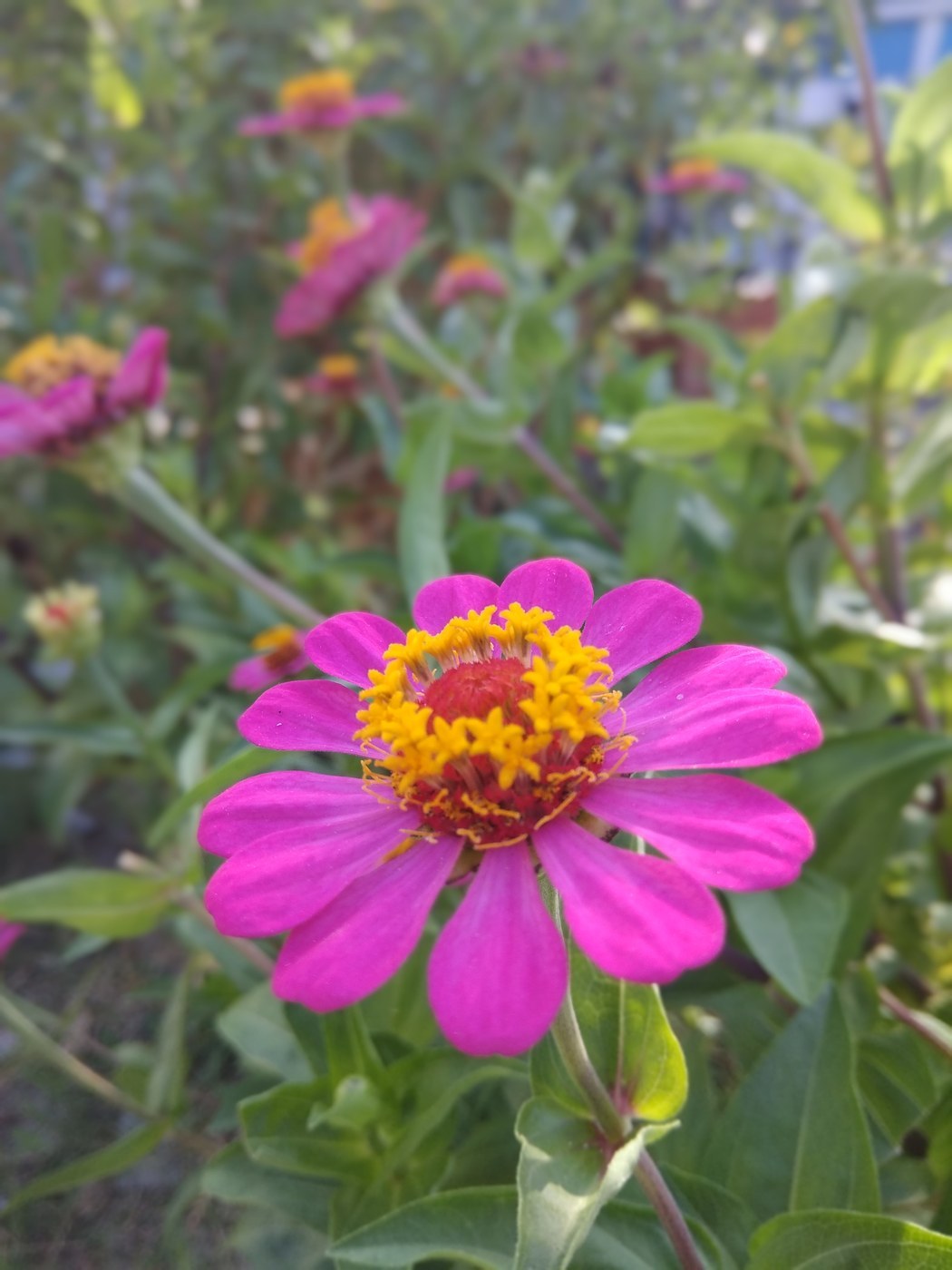
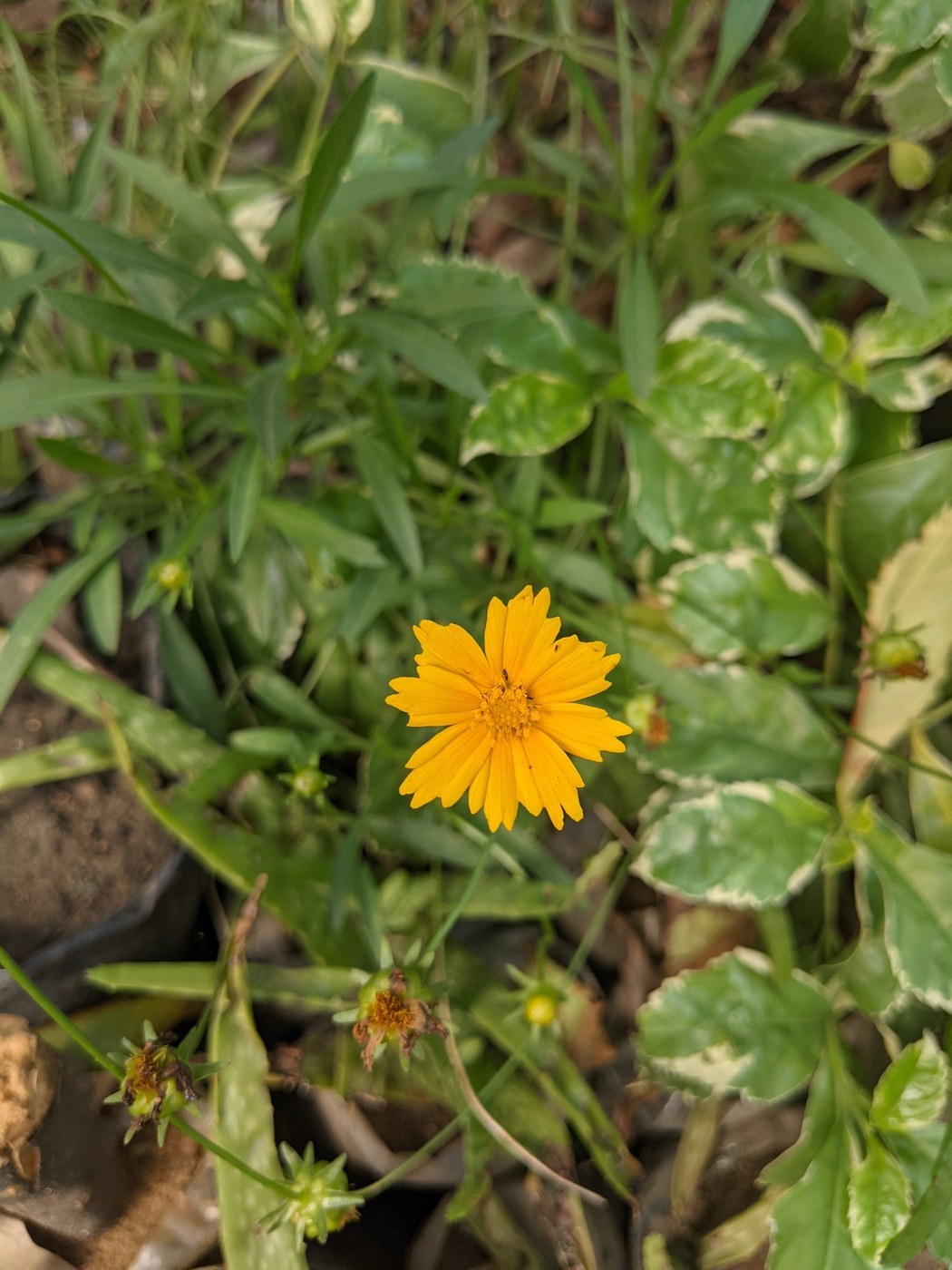
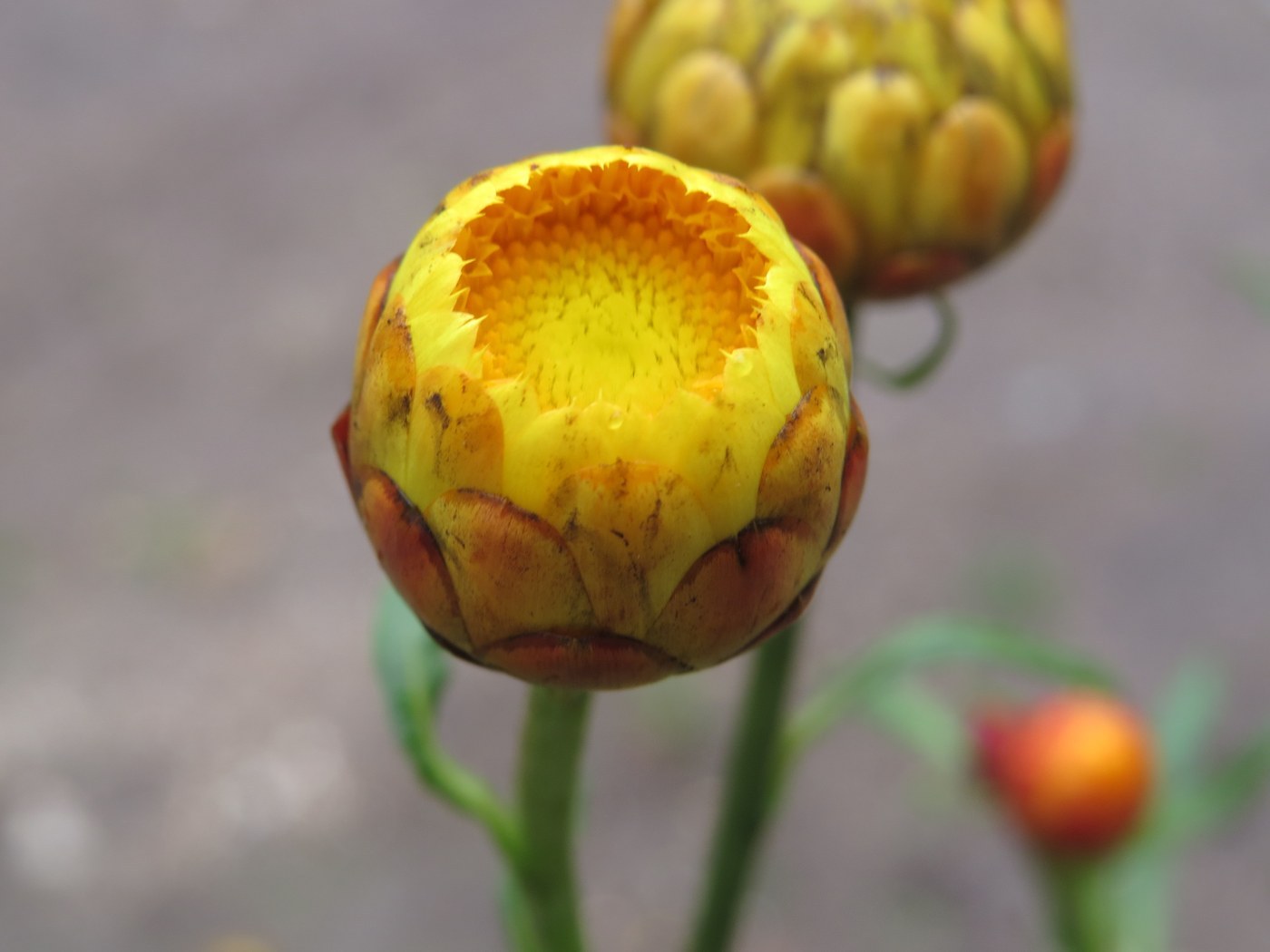
- Flower heads are 1-3 in (2-7 cm) wide and made of crisp, papery bracts (not true petals) surrounding a small yellow center disc
- Colors range from bright yellow and gold to orange, red, pink, bronze and white
- Bracts feel dry and straw-like even on living plants and curl open in sun, closing in damp weather
Care & growing
- Light: Full sun for strongest stems and most prolific bloom
- Water: Moderate and even; tolerates short dry spells but dislikes soggy soil
- Soil: Light, well-drained soil; avoid heavy clay
- Temperature: Heat-loving; frost-tender, treated as an annual in cold climates
- Feeding: A light balanced feed at planting is enough; over-fertilizing causes floppy growth
- Propagation: Easily grown from seed sown indoors 6 weeks before last frost or direct-sown after frost
Deadhead or cut regularly to keep flowers coming. For drying, harvest before the center disc fully opens and hang stems upside down in a dark, airy spot.
Habitat & origin
Native to Australia, where it grows across a wide range of habitats from subalpine areas to dry open woodland and disturbed ground. It is adaptable and self-seeds readily.
Widely grown worldwide as a garden annual in beds, borders and containers, and commercially as a cut and dried flower.
Frequently asked questions
Why are strawflowers called everlastings?
Their papery bracts retain shape and vivid color for months after cutting and drying, so arrangements seem to last forever.
When should I cut strawflowers for drying?
Cut when the bracts have opened but the central yellow disc is still mostly closed, then hang the stems upside down in a dark, dry, airy place.
Are strawflowers annual or perennial?
They are short-lived perennials in frost-free zones but are grown as annuals in most climates because they are frost-tender.
Do strawflowers reseed themselves?
Yes, they self-seed freely in warm gardens, often returning the next season from dropped seed.
Strawflower guides
In-depth guides for identifying, growing, and caring for Strawflower.
How to Care for Strawflower
Grow strawflowers (Xerochrysum bracteatum) for papery, long-lasting blooms in vivid colors. Full sun and good drainage keep them thriving.
Strawflower Identification Guide
Learn to recognize the strawflower (Xerochrysum bracteatum) by its papery, straw-textured petal-like bracts and dry, crisp blooms that feel like they are already preserved.
Strawflower identified by the community
Real specimens identified with Plant Identifier.