How to Care for Sunflower
Grow sunflowers, cheerful sun-loving annuals with tall stems and bold golden blooms that track the sun and delight pollinators.
Read the full Sunflower encyclopedia entry →
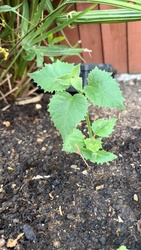
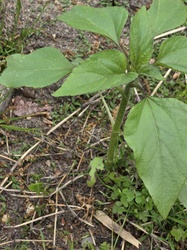
Sunflowers (Helianthus annuus) are fast-growing annuals famous for their tall stems and large, bold, daisy-like flower heads that follow the sun across the sky when young. They range from towering giants to compact multi-branched varieties, and all are easy, rewarding plants for a sunny spot.
Light
Sunflowers demand full sun, at least six hours of direct light daily and ideally more. They are heliotropic when young, with buds turning to track the sun through the day. Insufficient light produces weak, stretched, leaning stems and small, sparse blooms. Choose the sunniest, most open position you have for the strongest stems and biggest flowers.
Water
Water deeply about once a week, and more often during hot, dry weather or while young plants are establishing. Sunflowers have deep taproots but appreciate consistent moisture during rapid growth and bud formation. Water at the base to keep foliage dry, and water more generously as flower heads develop, since heavy heads draw a lot of moisture. Ease off once flowering is well underway.
Soil & Potting
Sunflowers tolerate a wide range of soils but do best in fertile, well-drained ground with plenty of organic matter. They handle poor soil surprisingly well but reward rich soil with taller growth and larger heads. A neutral to slightly alkaline pH is ideal. For containers, choose compact varieties, a large deep pot to accommodate the taproot, and a quality potting mix.
Humidity & Temperature
As warm-season annuals, sunflowers thrive in heat and are sensitive to frost. Sow after the last frost when the soil has warmed. They tolerate a wide humidity range but prefer good air circulation to reduce fungal problems. Warm days and plenty of sun drive their rapid growth through summer.
Feeding
Sunflowers are fairly heavy feeders given their size. Work compost or a balanced fertilizer into the soil before planting. During growth, an occasional feeding supports vigor, but avoid excessive nitrogen, which promotes lush foliage and weak stems at the expense of flowers. A fertilizer higher in phosphorus and potassium supports strong stems and blooms.
Propagation
Sunflowers are grown from seed, sown directly where they are to grow once the soil has warmed, or started indoors a few weeks before the last frost and transplanted carefully to avoid disturbing the taproot. Sow seeds about two to three centimeters deep, spacing according to variety. For a continuous display, sow small batches every couple of weeks through late spring and early summer.
Repotting / Pruning
Tall single-stem sunflowers rarely need pruning, but branching types can be pinched out when young to encourage more, smaller blooms. Tall varieties often need staking to prevent them toppling in wind or under the weight of large heads. Container plants generally complete their life cycle in one pot and are not repotted; simply provide a deep enough container from the start.
Common Problems & Pests
Sunflowers are generally robust. Slugs and snails can devastate young seedlings, so protect them early. Aphids may cluster on stems and buds; a strong water spray or insecticidal soap helps. Fungal issues such as powdery mildew, downy mildew, and rust appear in damp conditions or crowding, so ensure spacing and airflow. Weak, leaning stems usually mean too little sun or too much nitrogen. Tall plants can snap in wind without support.
Seasonal Care Tips
Sow in late spring after frost and keep seedlings protected from slugs. Through summer, water deeply, stake tall stems, and enjoy the sun-tracking blooms and the pollinators they attract. As flowers fade in late summer and autumn, the heads dry on the stem and provide ornamental structure and a natural draw for garden birds. Being annuals, sunflowers are pulled and composted after the season, ready to be re-sown the following year.
Frequently asked questions
How much sun do sunflowers really need?
At least six hours of direct sun daily, and more is better. They are true sun-lovers, and too little light gives weak, leaning stems and small flowers. Always plant them in the most open, sunniest spot in the garden.
Do tall sunflowers need staking?
Yes, tall single-stem varieties usually benefit from staking, especially in windy sites or as the heavy flower heads develop. Tie the stem loosely to a sturdy stake to prevent it snapping or toppling under the weight.
Should I start sunflower seeds indoors or sow them directly?
Direct sowing after the last frost is usually best because sunflowers form a deep taproot that dislikes disturbance. If you start them indoors for an early display, transplant young and handle the rootball very gently to avoid checking their growth.
Why are my sunflowers tall and leafy with few flowers?
This is typically caused by too much nitrogen or insufficient sun. Feed with a fertilizer higher in phosphorus and potassium rather than heavy nitrogen, and make sure the plants get full, direct sunlight all day.
Sunflower identified by the community
Recent Sunflower specimens identified with Plant Identifier.