Sunflower
Helianthus annuus
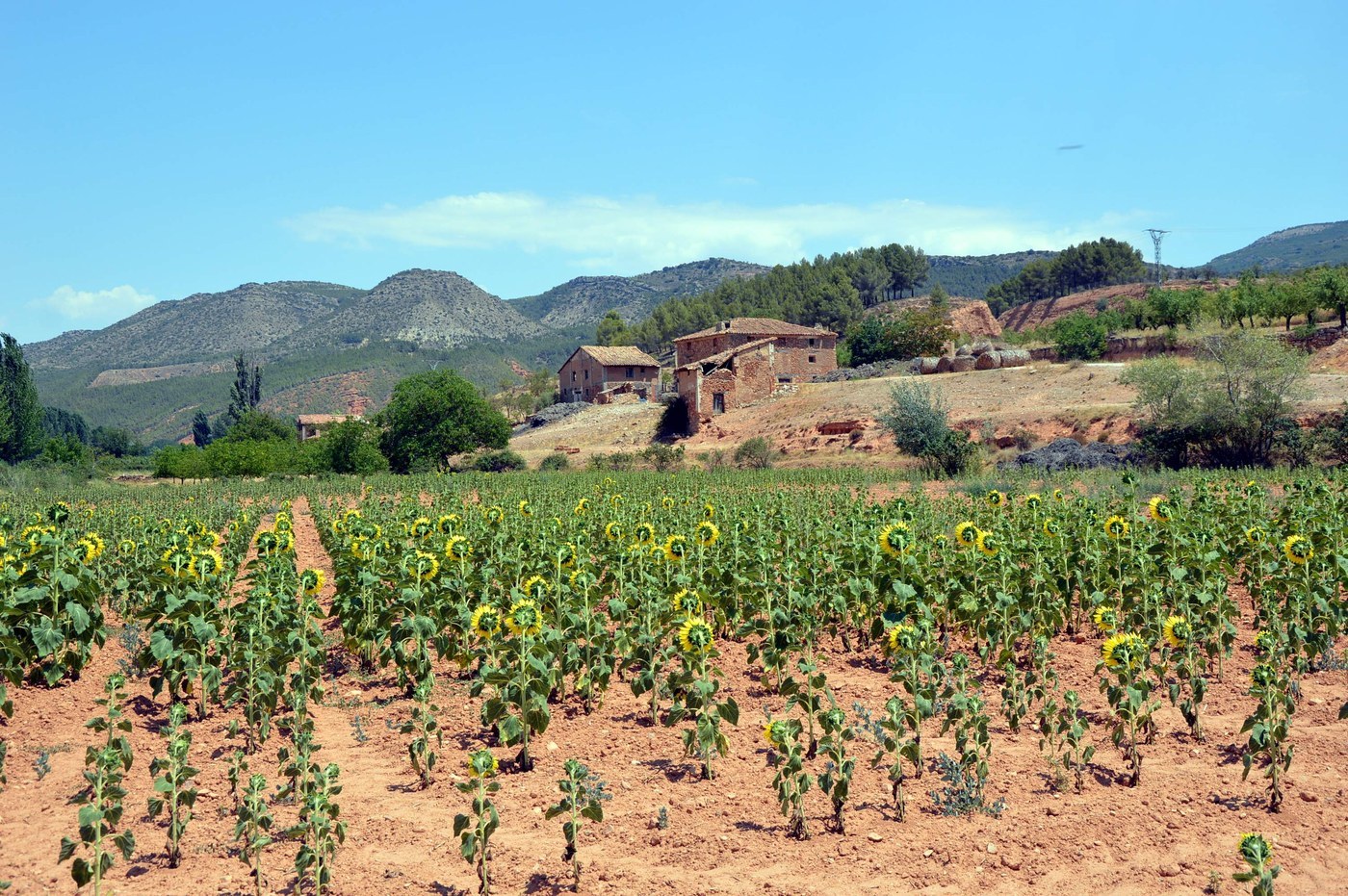
A fast-growing annual famous for its large golden flower heads that track the sun while young. Native to North America, it is grown for ornament and as a cut flower.
- Light
- Full sun (6+ hours)
- Water
- Deep weekly; more in heat
- Difficulty
- Easy
Got a plant like this?
Identify any plant from a photo, free.
Overview
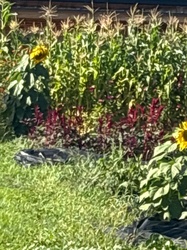
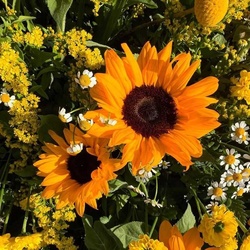
The sunflower is one of the most recognizable plants in the world, prized for its tall, sturdy stems topped by broad daisy-like heads of bright yellow ray petals surrounding a dense central disk.
It is an annual, completing its entire life cycle in a single growing season. Cultivars range from towering 12-foot giants to compact dwarfs under two feet, and from classic gold to deep red, bronze, and bicolor forms.
Beyond their beauty, sunflowers are an agriculturally important crop, and they are beloved by gardeners for their ease and dramatic presence.
How to identify it
Look for these defining traits:
- Flower head: A large composite head (often 5-12 inches across) with a ring of yellow ray florets around a brown-to-yellow central disk of tiny fertile flowers.
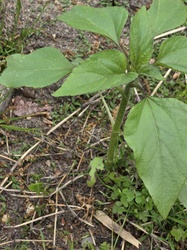
- Stem: Thick, coarse, hairy, and erect; can reach 6-12 feet in tall types.
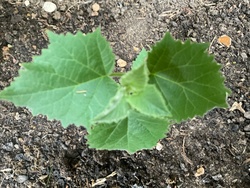
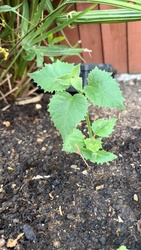
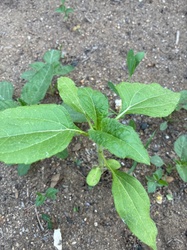
- Leaves: Large, broad, heart-shaped to triangular, rough-textured, and alternately arranged.
- Heliotropism: Young buds and leaves follow the sun across the sky; mature heads typically settle facing east.
- Seeds: The disk matures into a packed spiral of striped or black achenes (seeds).
Care & growing
Sunflowers are forgiving and quick to bloom.
- Light: Full sun is essential for strong stems and large heads.
- Water: Keep soil evenly moist during germination and early growth; once established, water deeply about once a week.
- Soil: Loose, well-drained soil; tolerant of poor ground but happiest with some organic matter.
- Temperature: Warm-season plant; sow after the last frost when soil reaches about 50-60 degrees F.
- Feeding: Light feeding is enough; excess nitrogen yields foliage over flowers.
- Propagation: Grown easily from seed sown directly outdoors; tall types may need staking.
Habitat & origin
Sunflowers are native to North America, where wild Helianthus annuus grows across plains, prairies, roadsides, and disturbed ground.
Domesticated by Indigenous peoples thousands of years ago, the plant spread worldwide and is now cultivated on every inhabited continent. Major commercial production occurs in Russia, Ukraine, Argentina, and the United States, while ornamental varieties thrive in home gardens nearly everywhere with warm summers.
Frequently asked questions
Do sunflowers really follow the sun?
Young sunflowers track the sun east to west each day (heliotropism), but once the flower head matures it generally stops moving and faces east permanently.
How long do sunflowers take to bloom?
Most varieties flower 70-100 days from seed, making them one of the faster-blooming garden annuals.
Why is my sunflower drooping?
A heavy seed head naturally bends the stem; otherwise drooping often signals underwatering or a stem too weak to support the bloom, which staking can fix.
Sunflower guides
In-depth guides for identifying, growing, and caring for Sunflower.
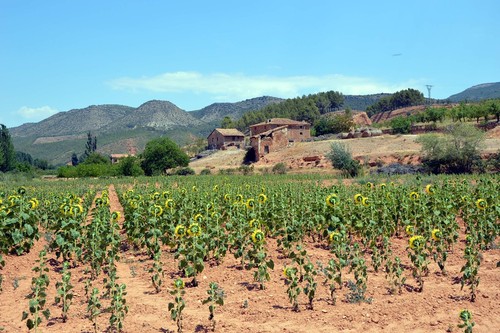
How to Care for Sunflower
Grow sunflowers, cheerful sun-loving annuals with tall stems and bold golden blooms that track the sun and delight pollinators.
Sunflower Identification Guide
A practical guide to recognizing the common sunflower by its towering rough stem, large heart-shaped leaves, and the iconic ray-and-disk flower head.
Sunflower identified by the community
Real specimens identified with Plant Identifier.