How to Care for Swiss Chard
Swiss chard is an easy, colorful leafy plant grown for its vivid stems and glossy foliage in sun to part shade.
Read the full Swiss Chard encyclopedia entry →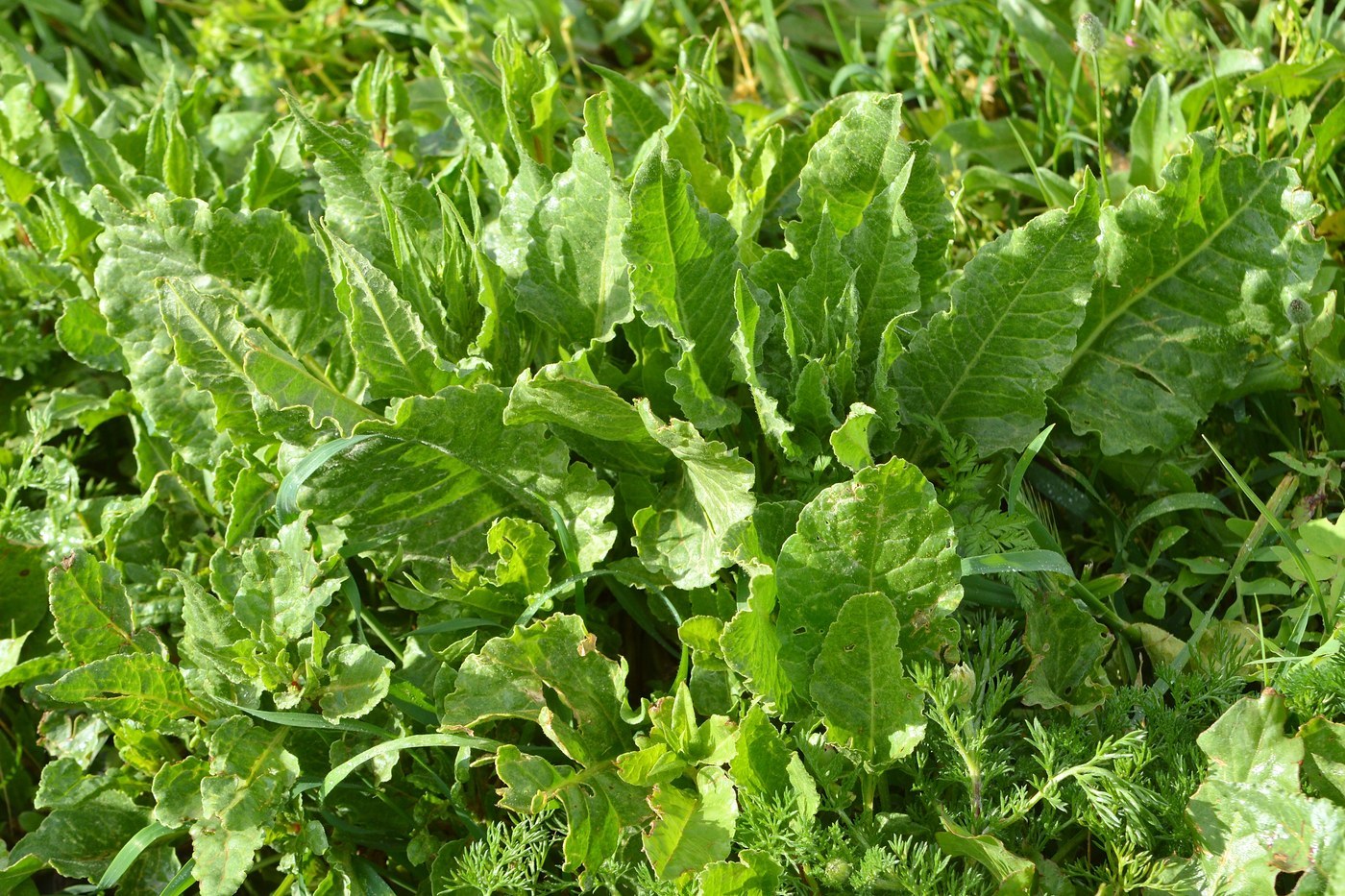
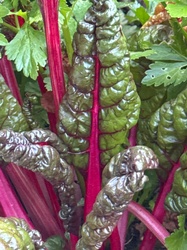
Swiss chard (Beta vulgaris) is an easy, fast-growing leafy plant prized ornamentally for its glossy, crinkled foliage and brilliantly colored stems in shades of red, gold, pink, and white. It grows readily in sun to part shade with steady moisture and makes a bold accent in beds and containers.
Light
Swiss chard grows well in full sun to part shade. Full sun gives the fastest, most vigorous growth and the brightest stem color, while a little afternoon shade is welcome in hot climates and helps keep the foliage lush through summer heat.
Water
Keep the soil evenly moist with regular watering. Consistent moisture produces tender, robust leaves and prevents the plant from stalling or bolting prematurely. Aim for about an inch of water a week, more in hot, dry weather. Mulching helps retain even soil moisture.
Soil & Potting
Grow chard in rich, well-drained soil high in organic matter, with a near-neutral pH. Work in plenty of compost before planting. It grows happily in containers at least 8-10 inches deep. Good drainage combined with steady moisture is the ideal balance.
Humidity & Temperature
Swiss chard is a cool-season plant that also tolerates summer heat better than many leafy greens. It grows best in mild temperatures and can withstand light frosts, which do not harm the foliage. Extreme, prolonged heat may trigger bolting. No special humidity is required.
Feeding
As a leafy grower, chard responds well to nitrogen. Amend the soil with compost at planting and side-dress with a balanced or nitrogen-rich fertilizer every few weeks during active growth to keep the foliage vigorous and richly colored.
Propagation
Swiss chard is grown from seed, which is easy to start. Each knobby seed cluster contains several seeds, so seedlings often need thinning. Sow directly in the garden or start indoors and transplant. Space plants about 8-12 inches apart. Successive sowings extend the display through the season.
Repotting / Pruning
Remove older outer leaves regularly to encourage fresh growth from the center, keeping the plant productive and attractive. In containers, chard rarely needs repotting within a single season. If a plant bolts and sends up a flower stalk, its leaf production slows and it is usually best replaced.
Common Problems & Pests
Common pests include leaf miners, which tunnel between leaf surfaces, aphids, and slugs or snails on tender growth. Remove affected leaves and use row covers or barriers as needed. Fungal leaf spot (Cercospora) can appear in wet, crowded conditions; improve spacing and airflow. Downy mildew may occur in cool, damp weather.
Seasonal Care Tips
Sow in early spring for a spring-into-summer display and again in late summer for a fall showing, since chard tolerates cool weather. Keep moisture consistent through summer heat to discourage bolting. In mild climates, plants may overwinter and put on fresh growth. Refresh plantings with new sowings when older plants tire.
Frequently asked questions
How much sun does Swiss chard need?
It grows well in full sun to part shade. Full sun gives the fastest growth and brightest stem color, while afternoon shade helps keep foliage lush in hot summer climates.
Why is my Swiss chard bolting?
Bolting (sending up a flower stalk) is usually triggered by prolonged heat or stress. Keep the soil evenly moist, provide some afternoon shade in hot weather, and time sowings for the cooler parts of the season.
How do I keep Swiss chard growing vigorously?
Provide rich, well-drained soil with plenty of compost, keep moisture consistent, feed with a nitrogen-rich fertilizer every few weeks, and remove older outer leaves to spur fresh central growth.
Can I grow Swiss chard in containers?
Yes. Use a pot at least 8-10 inches deep with rich, well-drained mix, keep it evenly moist, and give it sun to part shade. Its colorful stems make it an excellent ornamental container plant.
Swiss Chard identified by the community
Recent Swiss Chard specimens identified with Plant Identifier.