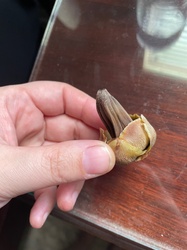
How to Care for Tulip Tree
The fast-growing Tulip Tree thrives in full sun and moist, deep soil, rewarding patient growers with tulip-shaped blooms and golden fall color.
Read the full Tulip Tree encyclopedia entry →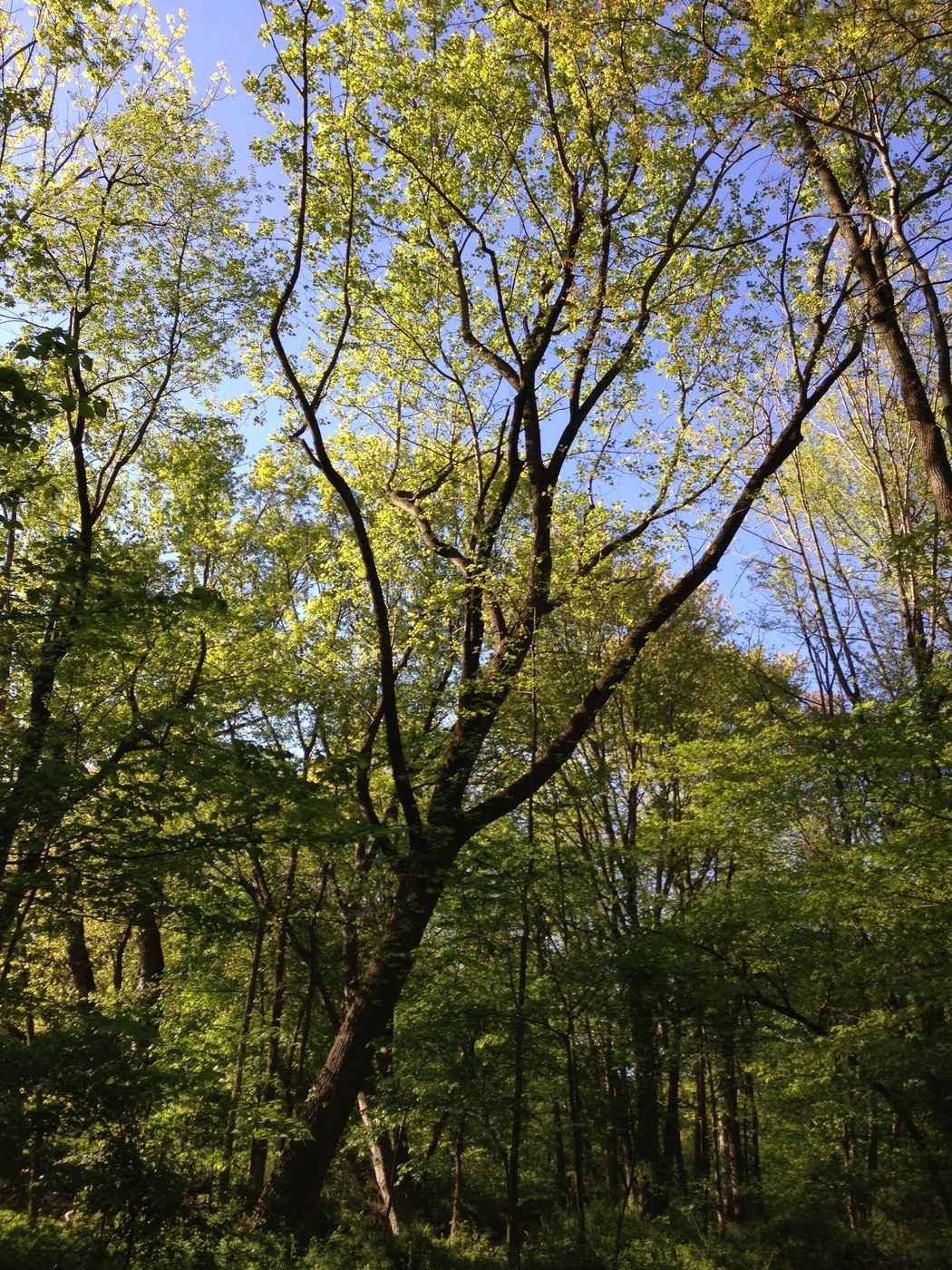
The Tulip Tree (Liriodendron tulipifera) is a stately, fast-growing native shade tree with distinctive four-lobed leaves and cup-shaped greenish-orange spring flowers. It is an easy tree to grow given room, sun, and moisture, but it becomes very large, so plan its placement carefully.
Light
Full sun is best. The tulip tree is a canopy species that grows rapidly and straight toward the light. Young trees tolerate light shade but develop the best form and flowering in an open, sunny site. Give it plenty of overhead and lateral space to reach its mature height.
Water
Water needs are moderate to ample. This tree favors consistently moist, deep soil and is not very drought tolerant, especially when young. Water deeply and regularly during establishment and throughout dry spells. Mature trees in dry conditions often shed lower leaves early, which turn yellow and drop; deep watering during summer drought reduces this.
Soil & Potting
Tulip trees prefer deep, rich, moist but well-drained loam with a slightly acidic pH. They dislike thin, compacted, or chronically dry soils. Because of a fleshy, somewhat brittle root system, they transplant most successfully when young and in spring. Amend poor planting sites with organic matter and mulch generously to conserve moisture.
Humidity & Temperature
A hardy temperate species, the tulip tree is generally suited to USDA zones 4 or 5 through 9. It handles hot, humid summers and cold winters. Atmospheric humidity is not a concern. Provide shelter from severe wind, as the fast growth produces somewhat weak wood that can break in storms.
Feeding
Generally low-maintenance. In good soil it needs little supplemental feeding. For young trees, a spring application of a balanced slow-release fertilizer supports vigorous establishment. Mature trees rarely require feeding; an annual layer of organic mulch usually supplies enough nutrition.
Propagation
Most commonly propagated from seed, though germination can be slow and erratic and many seeds are empty. Seeds benefit from cold, moist stratification over winter. Named cultivars are typically grafted or budded. The tree grows quickly once established, so seed-grown specimens reach useful size within a few years.
Repotting / Pruning
Prune only lightly, in late winter or early spring, to remove dead, crossing, or damaged branches and to establish a strong central leader while young. Avoid heavy pruning of mature trees, as large cuts heal slowly. Because the tree gets tall fast, early structural pruning to a single dominant trunk pays off. It is a landscape tree rather than a container subject, so repotting does not apply once planted out.
Common Problems & Pests
Tulip trees are relatively trouble-free but can host aphids, which excrete honeydew that leads to sooty mold on leaves and anything below. Tulip tree scale is another occasional pest. Early leaf yellowing and drop in summer is usually a drought-stress response rather than disease. The brittle wood is prone to storm breakage, so maintain good structure. Verticillium wilt and canker occur occasionally in stressed trees.
Seasonal Care Tips
In spring, plant or transplant young trees, apply mulch, and enjoy the flowers on mature specimens. In summer, water deeply during dry spells to prevent premature leaf drop and monitor for aphids. In autumn, enjoy the clear golden-yellow fall color; refresh mulch. In winter, do any needed structural pruning while dormant and inspect for storm damage.
Frequently asked questions
How big does a tulip tree get?
Very large. In good conditions it can exceed 60 to 90 feet tall with a broad canopy, so it needs a spacious site away from buildings and power lines. It is one of the tallest hardwoods in its native range.
Why are my tulip tree's leaves turning yellow and dropping in summer?
This is usually a response to drought stress. Tulip trees like consistent moisture and will shed lower leaves when dry. Water deeply during hot, dry periods and mulch to conserve soil moisture.
How fast does a tulip tree grow?
Quite fast, often adding a few feet of height per year when young and well-watered. This rapid growth produces somewhat brittle wood, so give it shelter from strong wind and prune for a strong central leader early.
When does a tulip tree flower?
In late spring, once the tree is mature, it produces cup-shaped greenish-yellow flowers with orange bands. Young trees may take several years before they begin blooming.
Tulip Tree identified by the community
Recent Tulip Tree specimens identified with Plant Identifier.