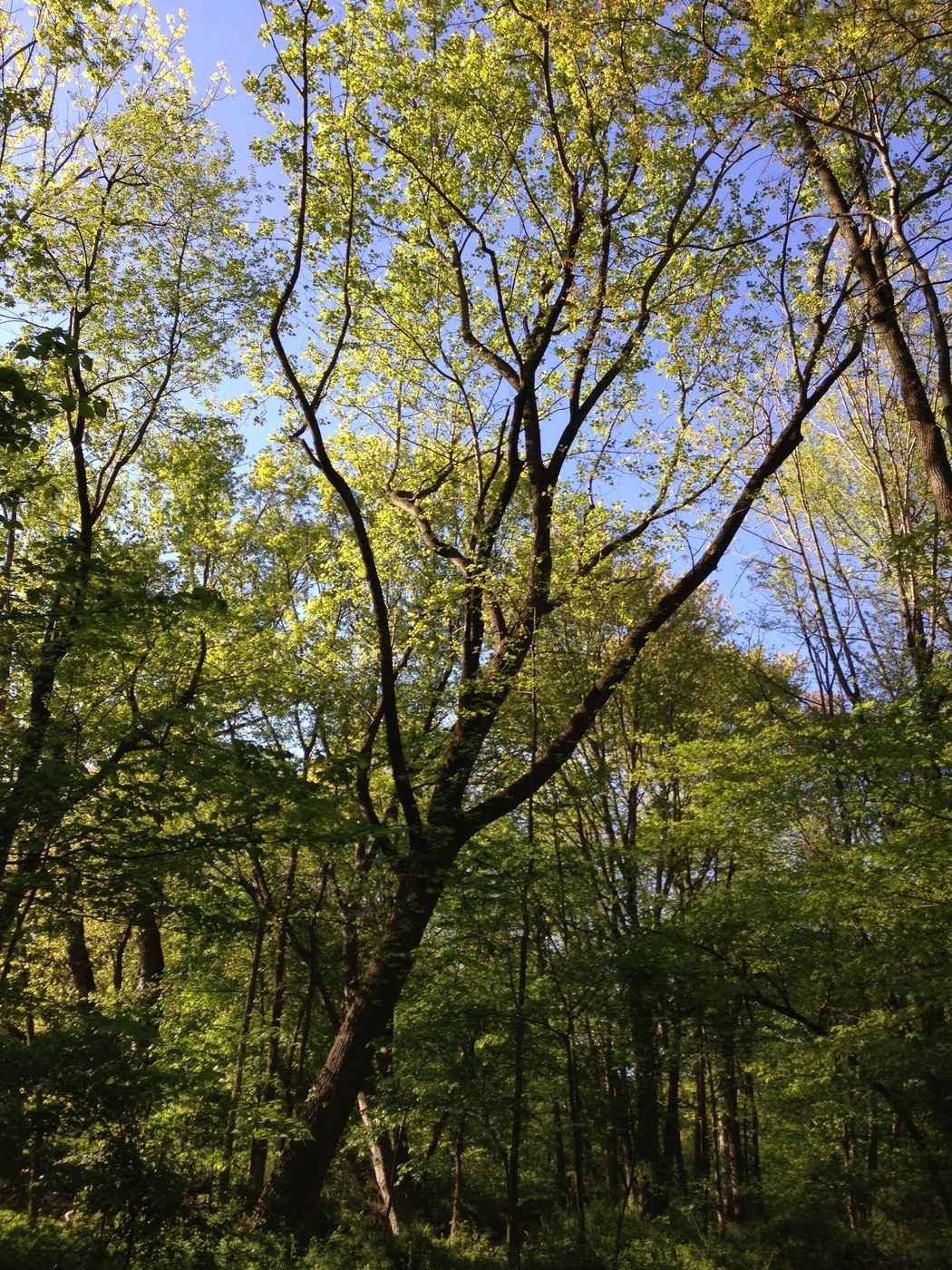
Tulip Tree
Liriodendron tulipifera
One of the tallest eastern hardwoods, named for its showy tulip-shaped greenish-orange flowers and uniquely four-lobed leaves. A fast-growing member of the magnolia family.
- Light
- Full sun
- Water
- Moderate to ample; moist soil
- Difficulty
- Easy
Got a plant like this?
Identify any plant from a photo, free.
Overview
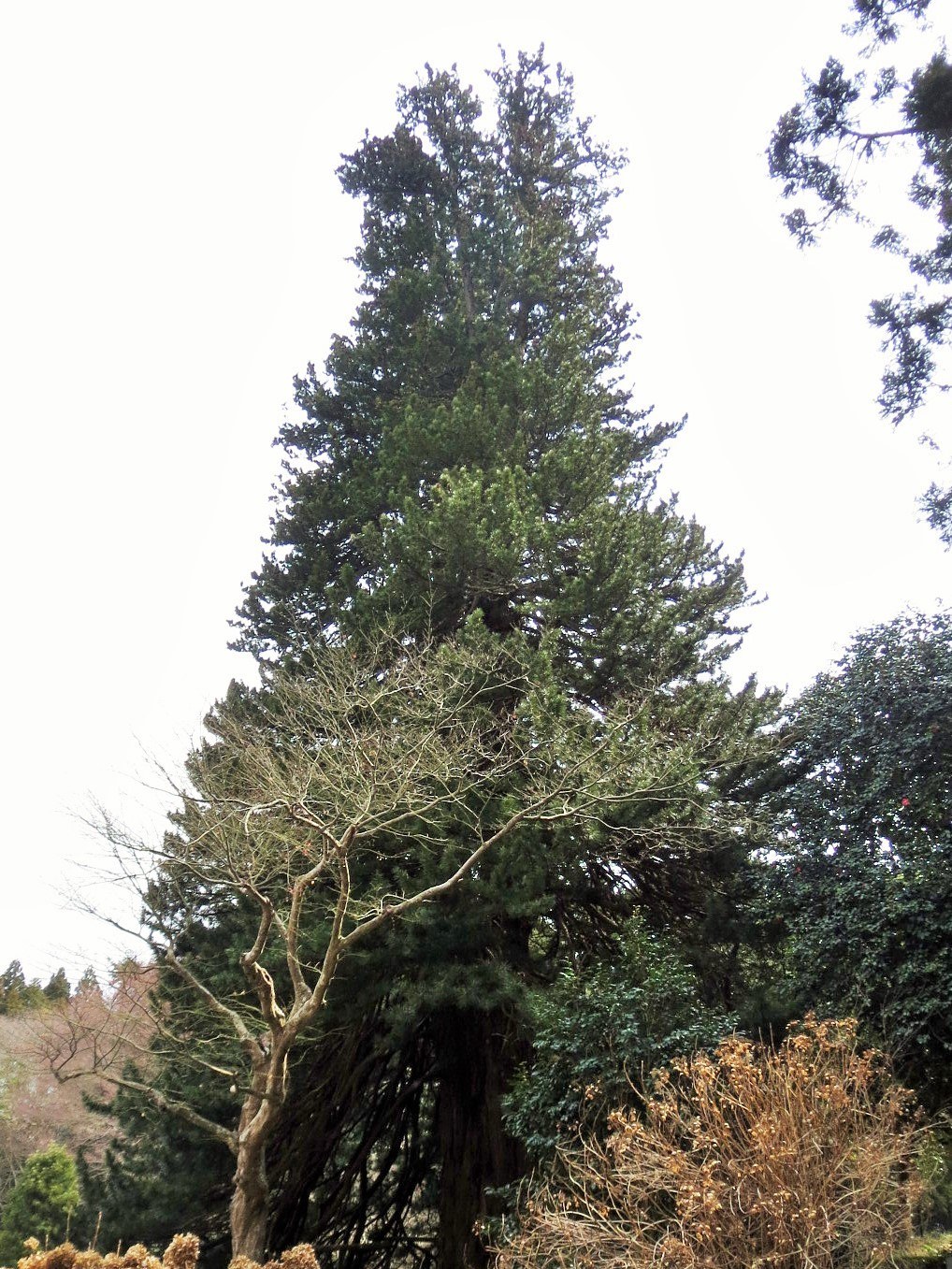
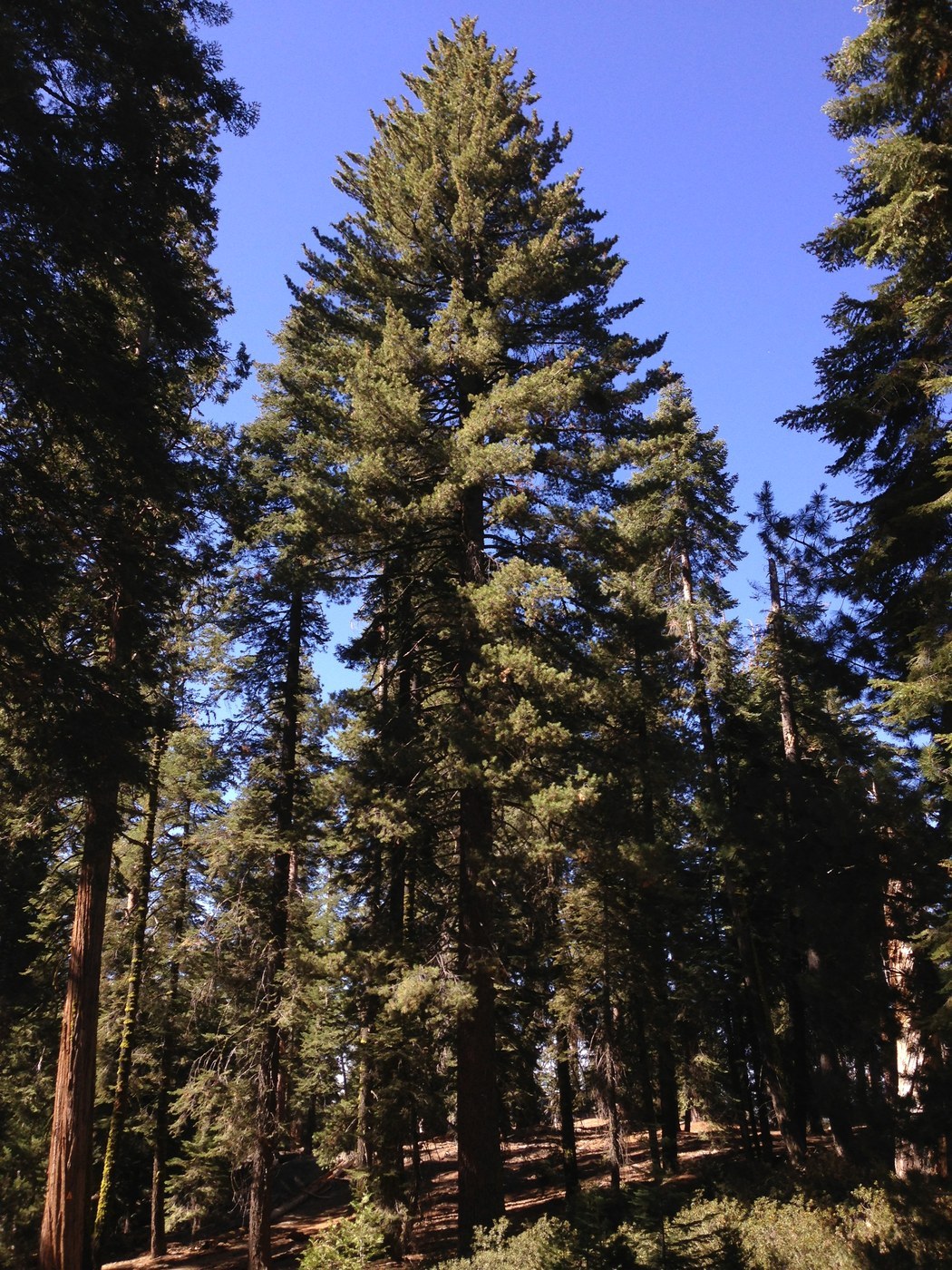
The tulip tree is a towering deciduous hardwood and one of the largest native trees in eastern North America, capable of exceeding 100 feet with a tall, straight, columnar trunk.
Despite the common names 'tulip poplar' and 'yellow poplar,' it is not a poplar at all but a member of the magnolia family. In late spring it produces large tulip-shaped flowers high in the canopy.
Its rapid growth, clean form and brilliant golden fall color make it a valued shade and timber tree.
How to identify it
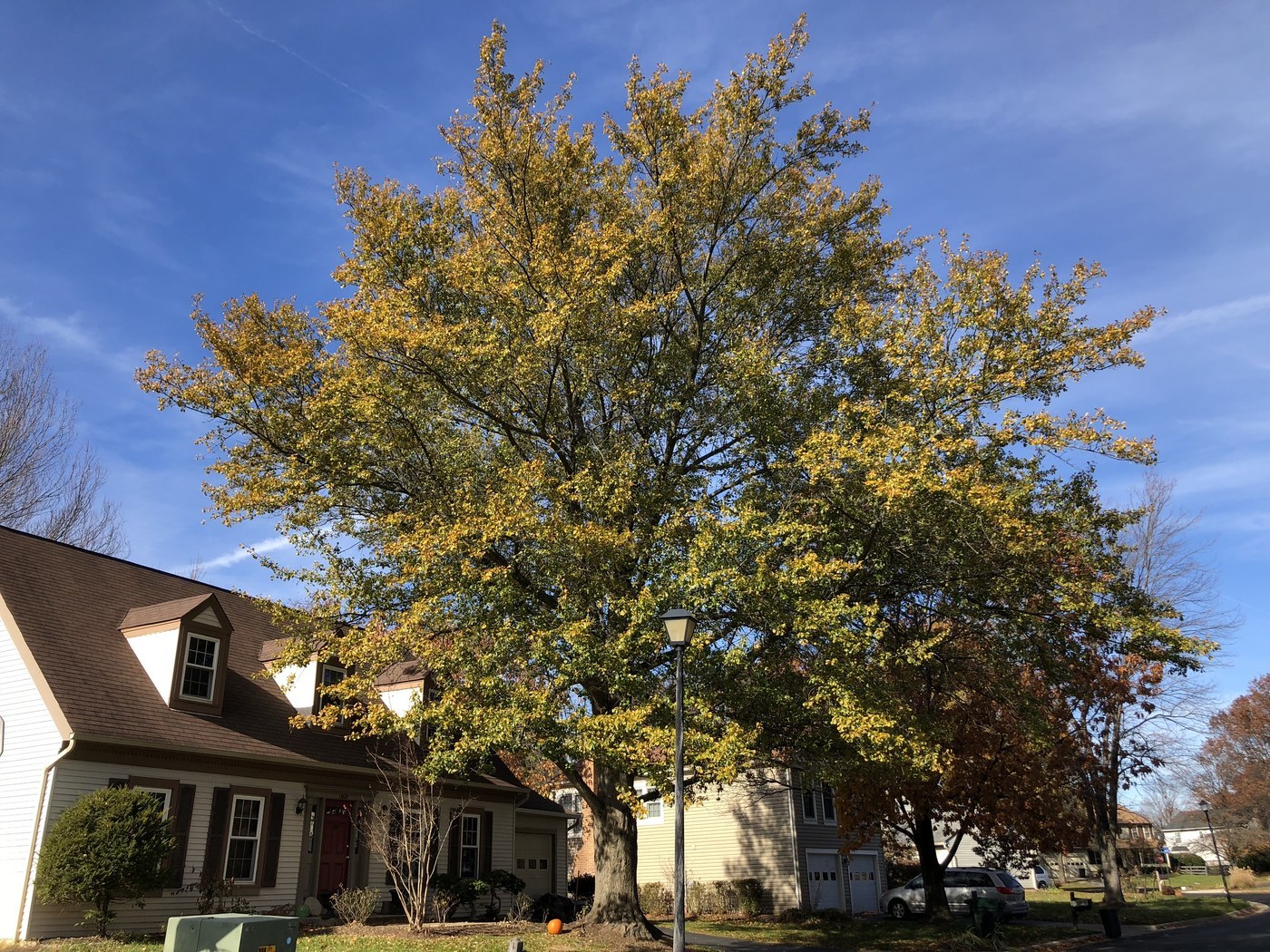
- Leaves: distinctive 4-lobed shape with a flattened or notched tip, 4-6 in, bright green turning clear yellow in fall
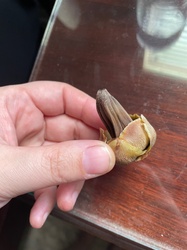
- Flowers: tulip-shaped, 1.5-2 in, yellow-green with an orange band at the base, appearing late spring (often high in the tree)
- Fruit: upright cone-like clusters of winged samaras
- Bark: gray, furrowed with interlacing ridges on mature trees
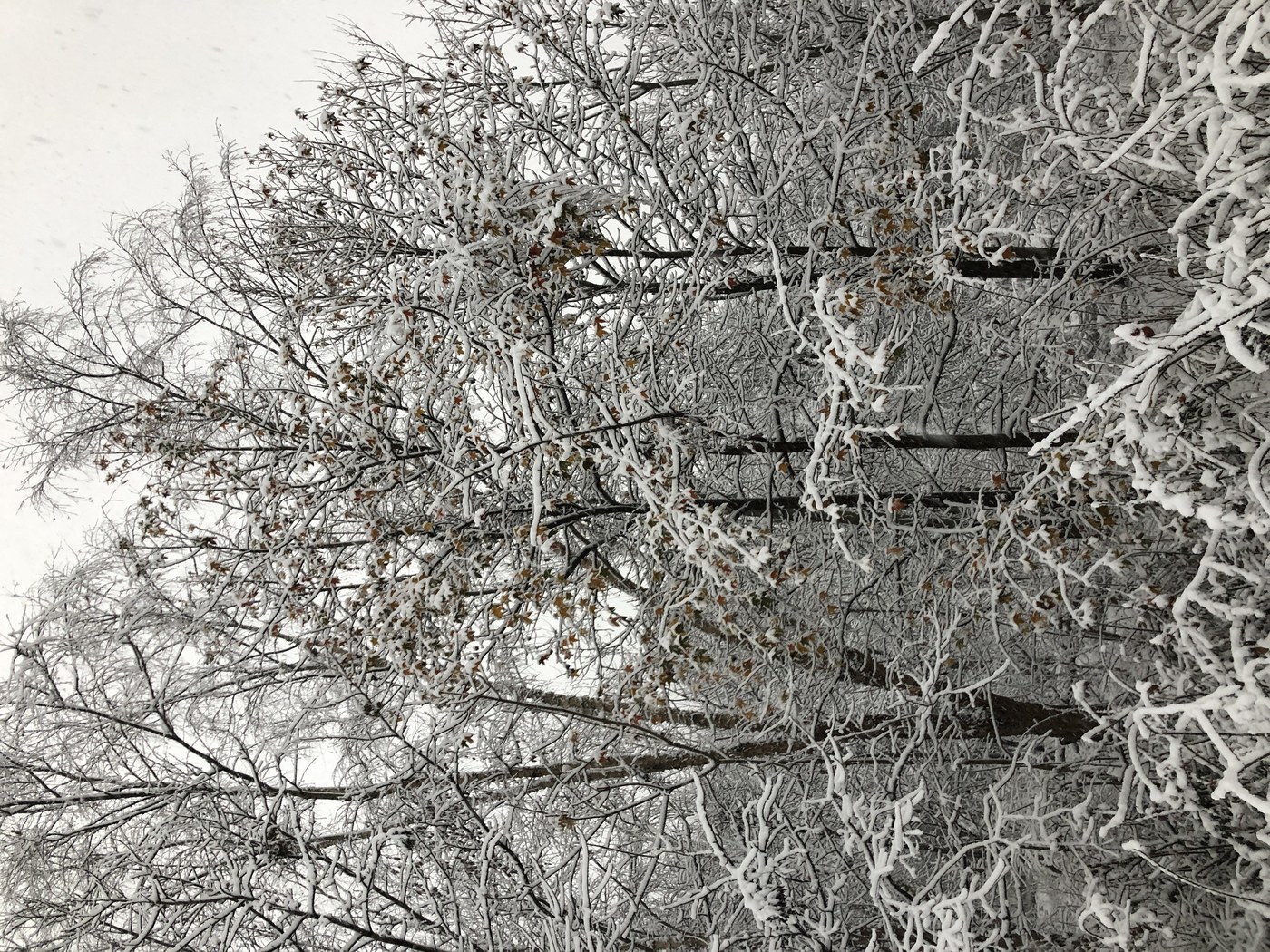
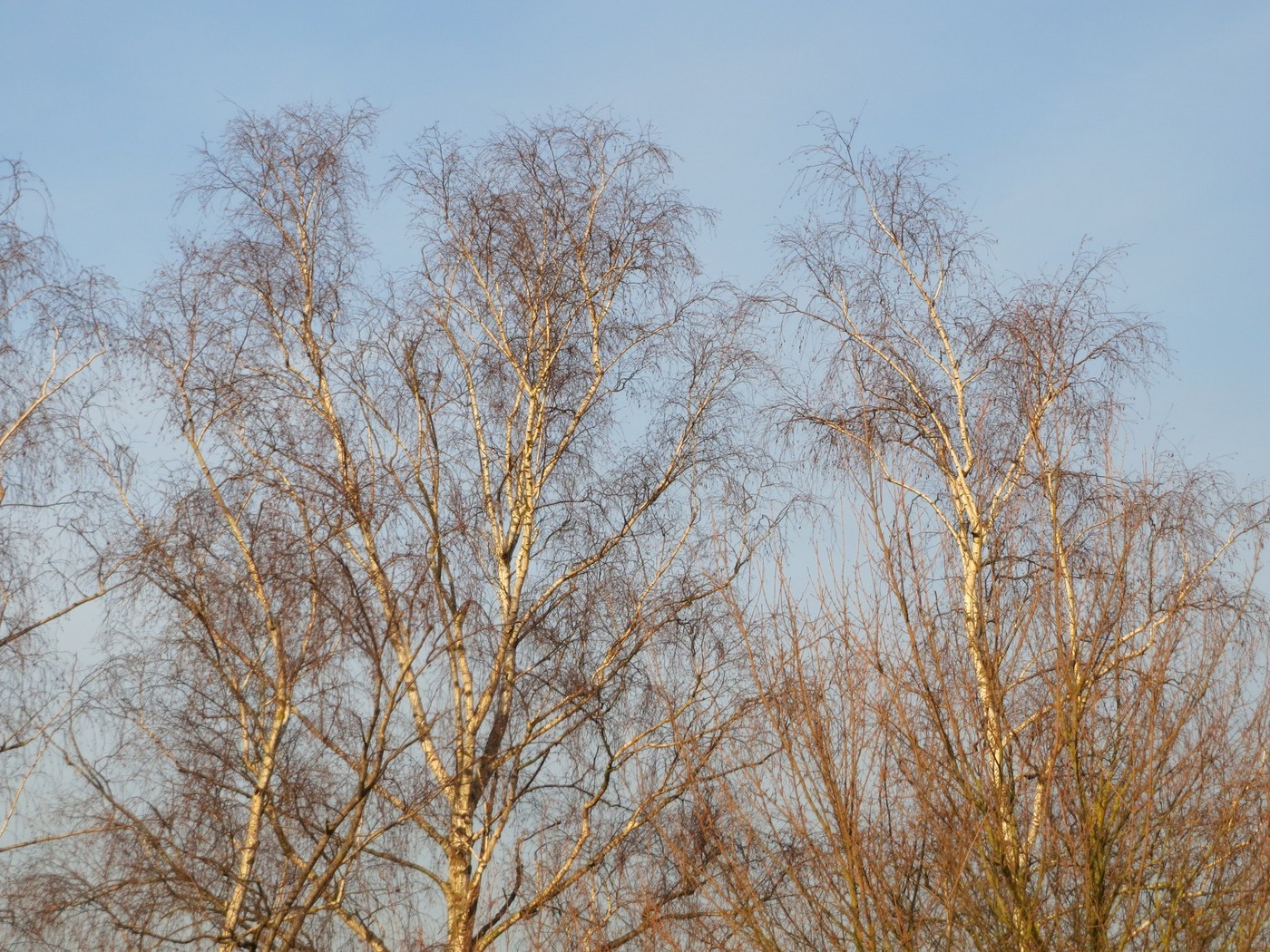
- Size: 70-100+ ft tall with a straight trunk and high, oval crown
- Habit: fast-growing, single straight central leader
Care & growing
- Light: full sun for best growth and form
- Water: prefers consistently moist, deep soil; not very drought tolerant
- Soil: deep, rich, well-drained loam; dislikes compacted or dry sites
- Temperature: hardy in USDA zones 4-9
- Feeding: rarely needed in good soil
- Propagation: from seed (low germination, needs stratification) or by grafting cultivars
Habitat & origin
Native to eastern North America, from southern Ontario and New England south to Florida and west to the Mississippi Valley.
It thrives in moist, well-drained bottomlands and rich coves, and is a dominant canopy tree in many mixed mesophytic forests, including some of the tallest specimens in the Great Smoky Mountains. Planted widely as a large ornamental and timber tree.
Frequently asked questions
Is the tulip tree a poplar?
No. Despite the names tulip poplar and yellow poplar, it is a member of the magnolia family, not a true poplar.
Why don't I see the flowers?
The tulip-shaped blooms open high in the canopy of mature trees and are greenish, so they often go unnoticed from the ground.
How fast does a tulip tree grow?
Very fast—it can add over 2 feet per year when young and quickly becomes a large tree, so give it plenty of space.
Does it need a lot of room?
Yes. It is one of the tallest eastern hardwoods, regularly topping 80-100 feet, so it suits large yards and parks rather than small lots.
Tulip Tree guides
In-depth guides for identifying, growing, and caring for Tulip Tree.
How to Care for Tulip Tree
The fast-growing Tulip Tree thrives in full sun and moist, deep soil, rewarding patient growers with tulip-shaped blooms and golden fall color.
Tulip Tree Identification Guide
How to identify the tulip tree (Liriodendron tulipifera) by its uniquely flat-topped leaves and showy tulip-shaped flowers.
Tulip Tree identified by the community
Real specimens identified with Plant Identifier.