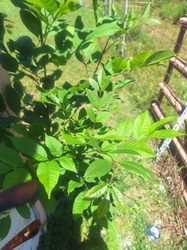
How to Care for White Ash
Grow White Ash (Fraxinus americana), a stately shade tree, with full sun, moist well-drained soil, and moderate steady watering.
Read the full White Ash encyclopedia entry →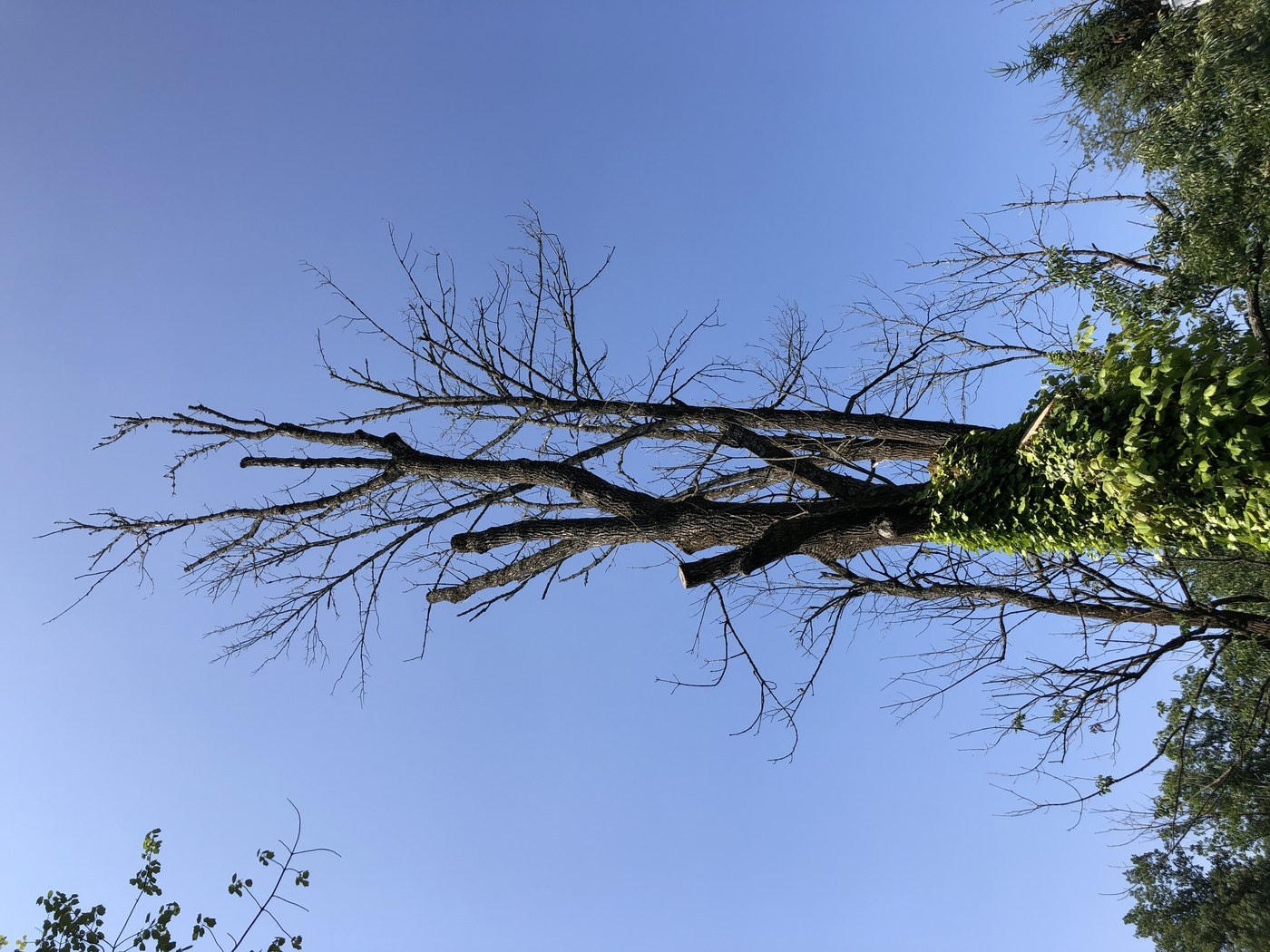
White Ash (Fraxinus americana) is a large, fast-growing native shade tree prized for its straight trunk, dense rounded canopy, and brilliant purple-to-maroon autumn color. It is a moderate-effort landscape tree that rewards a sunny, open site with decades of vigorous growth.
Light
White Ash demands full sun, ideally six or more hours of direct light daily. It grows tallest and densest in open situations; heavy shade produces sparse, weak, leggy growth and thin fall color. Give it plenty of overhead room so the crown can develop its characteristic symmetrical shape.
Water
Water moderately and keep the soil evenly moist, especially during the first two or three years while roots establish. A deep soak once or twice a week during dry spells is far better than frequent light sprinkles. Once mature, White Ash tolerates short droughts but performs best with consistent moisture; a 2-3 inch organic mulch ring conserves water and buffers soil temperature.
Soil & Potting
This tree adapts to a wide range of soils but favors deep, fertile, moist yet well-drained loam with a slightly acidic to neutral pH. It handles clay and occasional flooding better than most shade trees, though it dislikes permanently waterlogged or very shallow, droughty ground. Amend poor planting sites with compost and avoid compacted soil around the root zone.
Humidity & Temperature
White Ash is fully cold-hardy through USDA zones 3-9 and thrives in temperate climates with distinct seasons. It tolerates summer heat well when soil moisture is adequate and needs no special humidity. Ambient outdoor conditions across most of its range suit it perfectly.
Feeding
Established trees in decent soil rarely need feeding. For young or slow-growing specimens, apply a balanced slow-release tree fertilizer in early spring before bud break. Refreshing the mulch layer with compost each year supplies gentle, steady nutrition and encourages strong root development.
Propagation
White Ash is most commonly propagated from seed. The winged samaras require a period of cold, moist stratification (often two winters) to break dormancy, so many growers sow fresh seed outdoors in fall and wait. Named cultivars are grafted or budded onto seedling rootstock to preserve their form and fall color.
Repotting / Pruning
Prune in late winter while the tree is dormant to establish a strong central leader and well-spaced scaffold branches, removing crossing, rubbing, or damaged limbs. Structural pruning while young prevents weak forks later. Avoid heavy pruning in late summer or early fall. Balled-and-burlapped or container trees transplant best in early spring or fall.
Common Problems & Pests
White Ash is highly susceptible to the emerald ash borer, an invasive wood-boring beetle that has devastated ash populations; watch for canopy dieback, D-shaped exit holes, and bark splitting. Other issues include ash yellows, anthracnose leaf blight in wet springs, and various borers and scale. Keeping trees vigorous with proper water and mulch improves their resilience, and consult a certified arborist before planting new ash where borer pressure is high.
Seasonal Care Tips
Plant in spring or fall. Water deeply through the first summers and during droughts. Refresh mulch each spring and prune structurally in late winter. Enjoy the vivid fall color, then rake fallen leaves to reduce overwintering fungal spores. Monitor year-round for signs of borer activity.
Frequently asked questions
How fast does White Ash grow?
It is a fast to moderately fast grower, often adding 1-2 feet per year when young in full sun with steady moisture, eventually reaching 50-80 feet tall with a broad rounded crown.
Why are the leaves thinning at the top of my ash?
Upper-canopy dieback is a classic early sign of emerald ash borer, but drought stress and ash yellows cause it too. Inspect the bark for D-shaped exit holes and consult an arborist for diagnosis.
Does White Ash need full sun?
Yes. It needs at least six hours of direct sun daily for a dense canopy and strong fall color. In shade it grows sparse, weak, and poorly colored.
How much should I water a newly planted White Ash?
Keep the root zone evenly moist with a deep soak once or twice weekly for the first two to three years, more often in heat. Mulch helps hold moisture.
White Ash identified by the community
Recent White Ash specimens identified with Plant Identifier.