White Ash
Fraxinus americana
A large native shade tree once widely planted for its strong wood and purple-bronze fall color. Now severely threatened by the invasive emerald ash borer.
- Light
- Full sun
- Water
- Moderate; moist well-drained soil
- Difficulty
- Moderate
Got a plant like this?
Identify any plant from a photo, free.
Overview
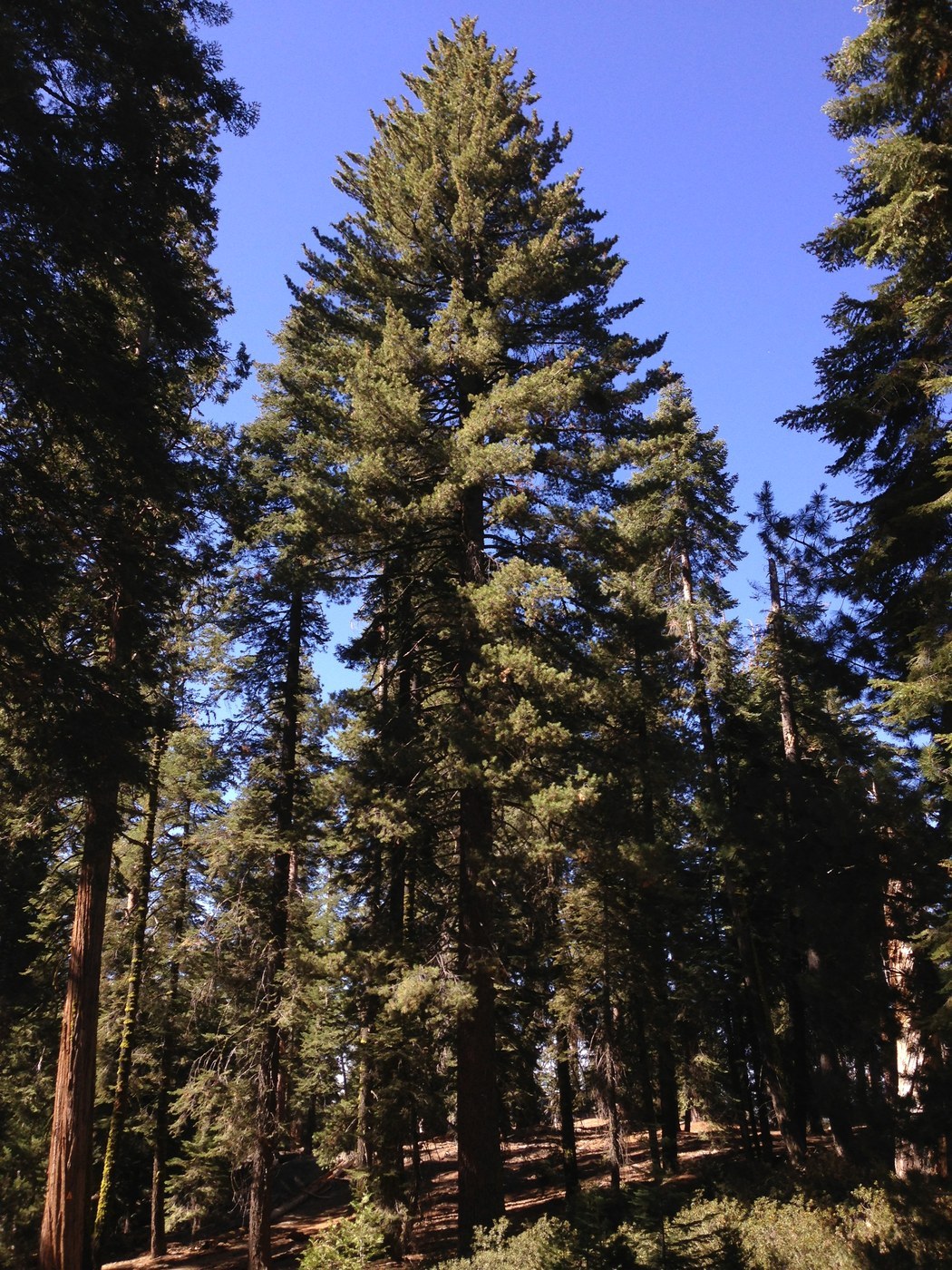
White ash is a large deciduous hardwood native to eastern North America, historically one of the most important timber and shade trees on the continent, with strong, elastic wood famous for baseball bats and tool handles.
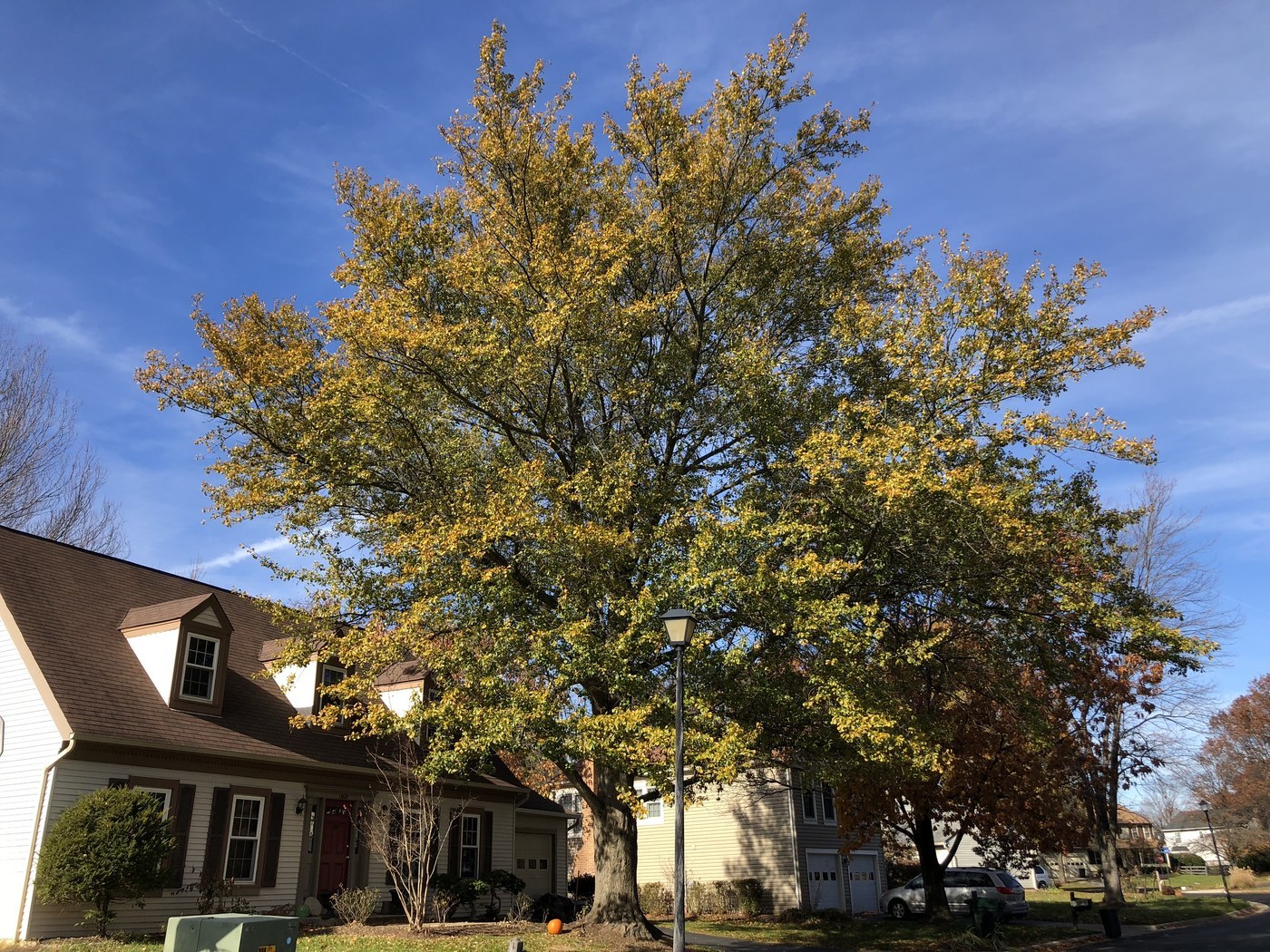
It forms a straight trunk and a rounded, open crown of compound leaves that turn striking shades of yellow, purple and maroon in autumn.
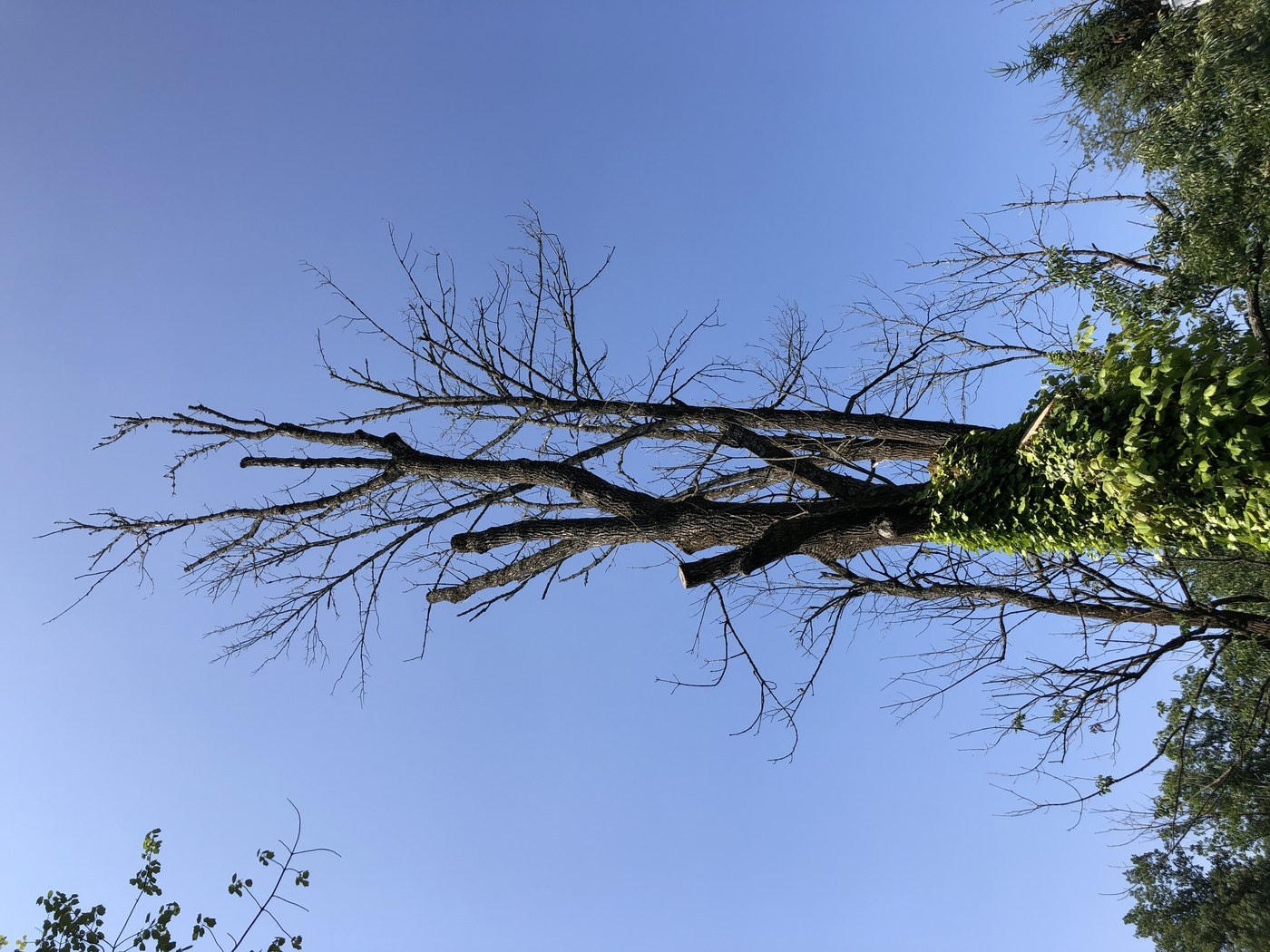
Since the early 2000s the invasive emerald ash borer (EAB) has killed hundreds of millions of ash trees across North America, making new plantings inadvisable in affected regions without treatment.
How to identify it
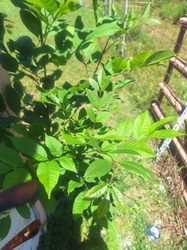
- Leaves: opposite, pinnately compound with 5-9 (usually 7) leaflets that are pale/whitish underneath; deep purple to maroon and yellow in fall
- Bark: gray with a tight, interlacing diamond-shaped furrow pattern
- Fruit: paddle-shaped winged samaras hanging in clusters (on female trees)
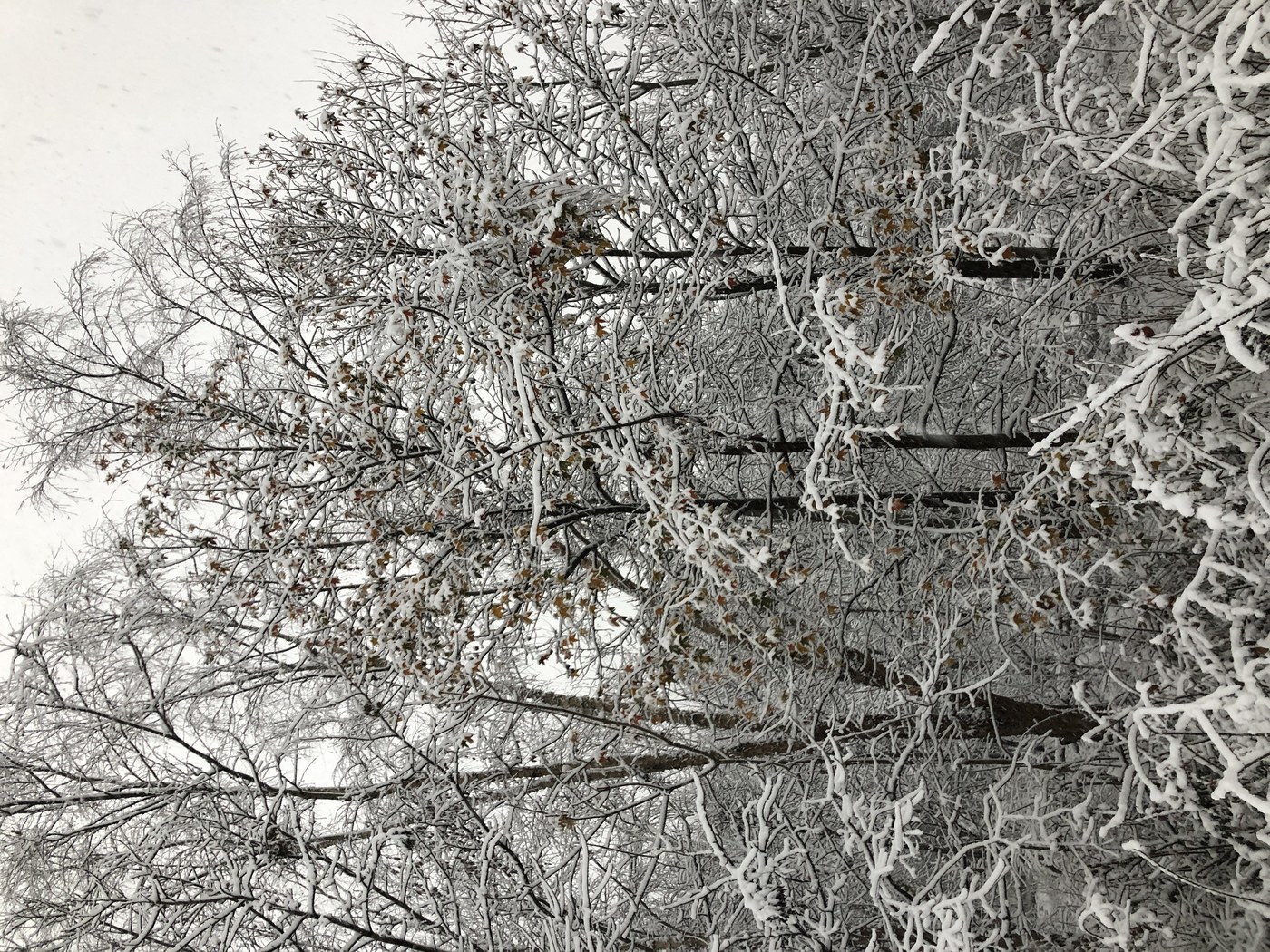
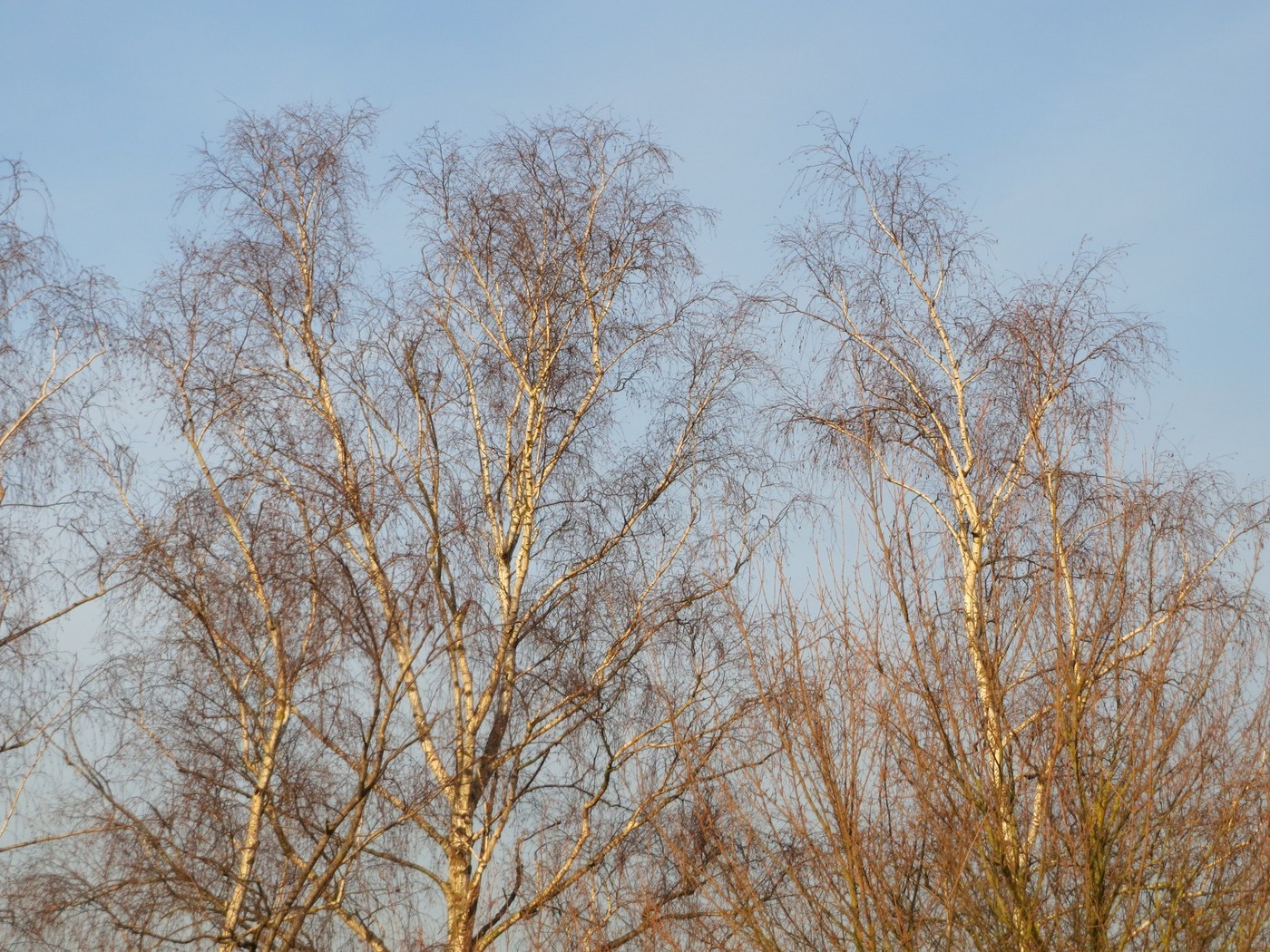
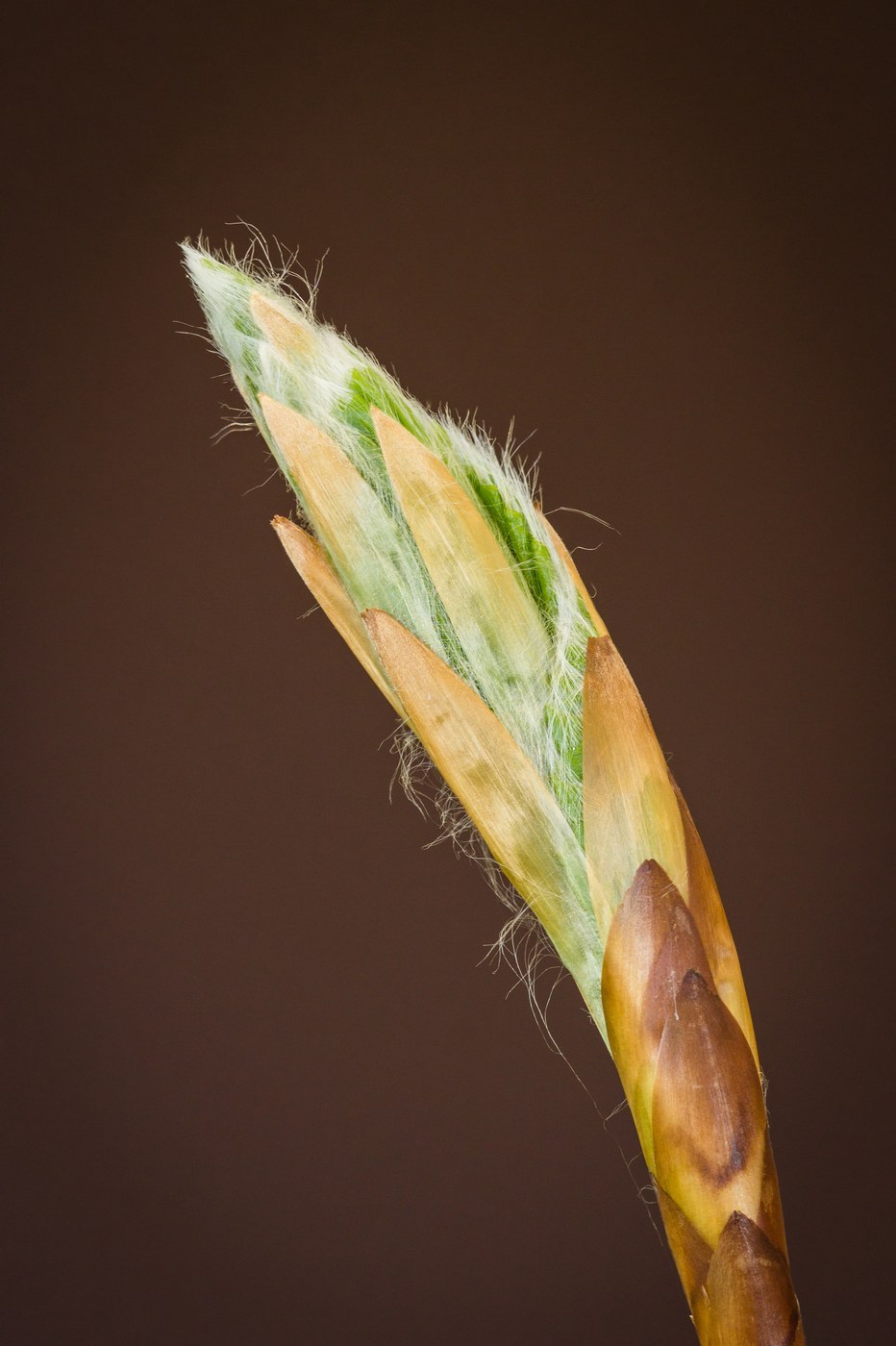
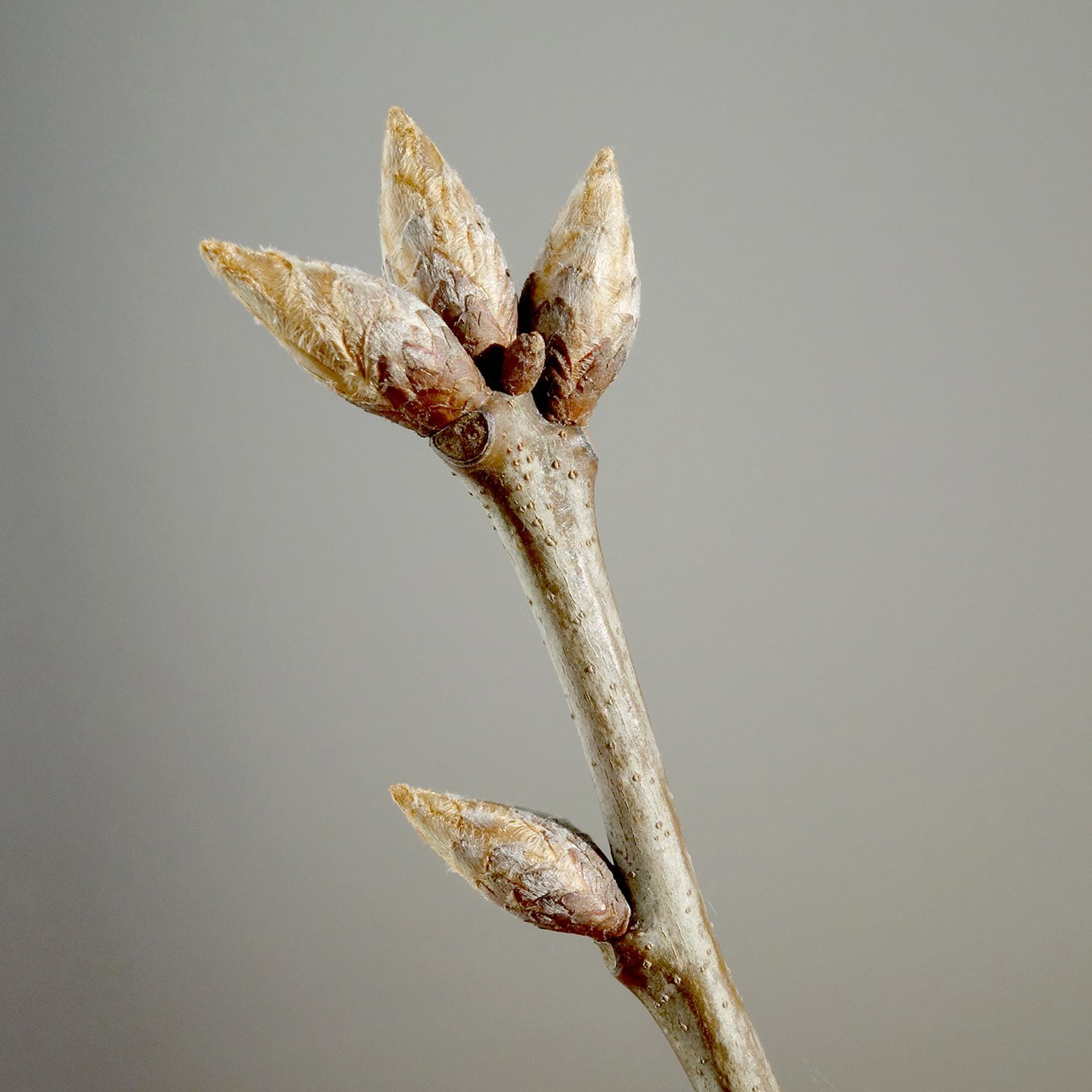
- Twigs/buds: stout twigs with opposite, rounded brown buds; leaf scars notched beneath the bud
- Size: 50-80 ft tall with a rounded crown
Care & growing
- Light: full sun
- Water: moderate; prefers deep, moist, fertile, well-drained soil
- Soil: rich, well-drained loam; tolerates a range of conditions
- Temperature: hardy in USDA zones 3-9
- Feeding: rarely needed
- Propagation: from seed (needs stratification)
- Important: in EAB-affected areas, established trees require ongoing insecticide treatment to survive, and new ash plantings are generally discouraged
Habitat & origin
Native to eastern and central North America, from Nova Scotia and Ontario south to Florida and west to Minnesota and Texas.
It grows in rich, well-drained upland and bottomland forests, often mixed with oak, maple and hickory. Once a top choice for streets and yards, its numbers have collapsed across much of its range due to emerald ash borer, an invasive Asian beetle first detected in North America in 2002.
Frequently asked questions
Should I still plant white ash?
In most of North America, new ash plantings are discouraged because the emerald ash borer is likely to kill untreated trees. Choose a different species unless you can commit to ongoing treatment.
What is killing ash trees?
The emerald ash borer, an invasive beetle whose larvae tunnel under the bark and cut off the tree's nutrient flow, has devastated North American ash populations since 2002.
Can my existing ash tree be saved?
Healthy white ash can be protected with systemic insecticide treatments applied by a professional on a regular schedule, but this is an ongoing commitment.
Why is ash wood used for baseball bats?
White ash is strong yet lightweight and flexible, absorbing shock without shattering, which long made it the traditional choice for bats and tool handles.
White Ash guides
In-depth guides for identifying, growing, and caring for White Ash.
How to Care for White Ash
Grow White Ash (Fraxinus americana), a stately shade tree, with full sun, moist well-drained soil, and moderate steady watering.
White Ash Identification Guide
How to identify white ash (Fraxinus americana) by its opposite compound leaves, diamond-ridged bark, and paddle-shaped winged seeds.
White Ash identified by the community
Real specimens identified with Plant Identifier.