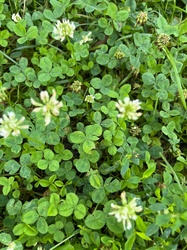
How to Care for White Clover
Easy, low-growing White Clover thrives in sun to part shade with moist soil — a resilient groundcover and lawn companion.
Read the full White Clover encyclopedia entry →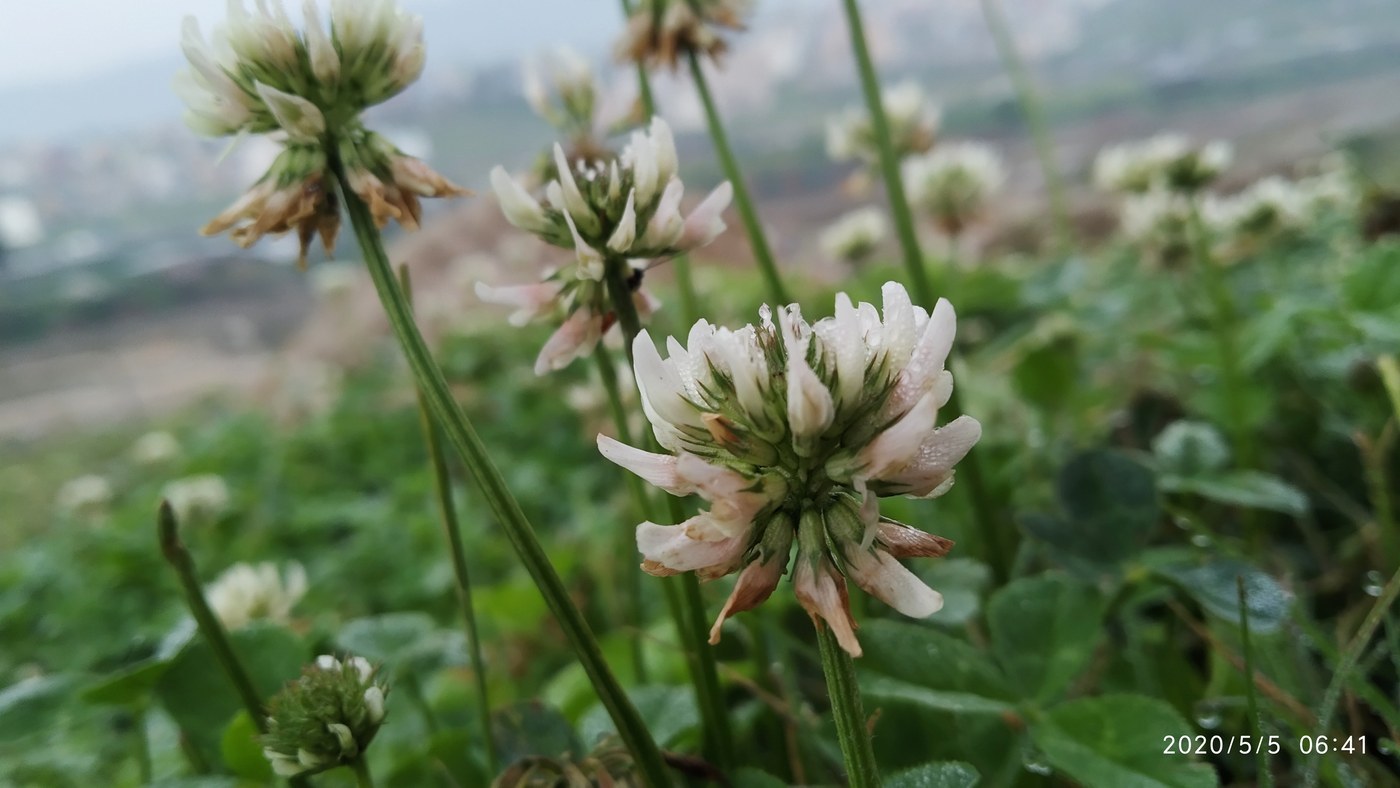
White Clover (Trifolium repens) is a low-growing, spreading perennial with trifoliate leaves and rounded clusters of small white to blush flowers. Tough, adaptable, and quick to establish, it is widely used as a living groundcover, an eco-lawn component, and a soil-improving companion plant.
Light
White Clover grows in full sun to part shade. It flowers most freely and forms the densest mat in full sun, but it tolerates dappled light and partial shade better than many turf plants, which makes it useful under high-canopy trees and in mixed lawns.
Water
Provide moderate moisture; White Clover prefers a moist soil and stays greener than grass in dry spells thanks to its deeper roots, yet it grows best when not left bone-dry for long. Water new sowings regularly to keep the surface moist until seedlings establish. Once established it is fairly drought-tolerant, though extended drought can cause it to thin and go semi-dormant.
Soil & Potting
White Clover is remarkably unfussy about soil, thriving in loam, clay, and sandy soils alike, and it improves soil structure and fertility as it grows. It prefers a near-neutral pH and tolerates poor, low-fertility ground that grasses struggle in. Good drainage is helpful, but it tolerates a wide range of conditions. In containers, any general-purpose potting mix works.
Humidity & Temperature
A hardy, cool-season-friendly perennial, White Clover tolerates cold winters and a broad temperature range. It grows most actively in the mild conditions of spring and fall and may slow or brown slightly during peak summer heat, greening up again as temperatures moderate. Ambient humidity is rarely a concern.
Feeding
White Clover needs little to no supplemental feeding. As a legume, it fixes its own nitrogen with the help of soil bacteria, so it thrives on lean soils and can even enrich the ground around it. Avoid nitrogen-heavy fertilizers, which favor competing grasses and offer clover no benefit. A thin topdressing of compost is plenty if the soil is very poor.
Propagation
White Clover is easily propagated by seed, which can be broadcast over prepared soil and lightly raked in; keep the surface moist until germination. It also spreads on its own by creeping stems (stolons) that root at the nodes as they run along the ground, so established patches expand naturally. You can divide and transplant rooted sections to start new areas.
Repotting / Pruning
White Clover needs minimal maintenance. In lawns it can simply be mowed along with the grass; mowing keeps it low and tidy and encourages fresh growth. To limit its spread, trim back the running stems at the edges of a bed or install an edging barrier. In containers, refresh the top layer of mix periodically and divide when crowded.
Common Problems & Pests
White Clover is generally trouble-free. In damp, crowded conditions it can develop fungal issues such as leaf spots or powdery mildew; improving air circulation and easing off overhead watering usually resolves these. Slugs and various leaf-feeding insects may nibble it but rarely cause lasting harm to a vigorous stand. Its main drawback for some gardeners is enthusiasm — it spreads readily and can move beyond where it was planted.
Seasonal Care Tips
Sow in spring or early fall when soil is warm enough to germinate and conditions are moist. Keep new plantings watered until well established. Through spring and fall, enjoy its peak growth and flowering; during summer heat, an occasional deep watering keeps it lush. Little winter care is needed, as it is hardy and rebounds strongly once mild weather returns.
Frequently asked questions
Does White Clover need fertilizer?
No. As a legume it fixes its own nitrogen from the air, so it thrives on lean soil without feeding. Avoid nitrogen-rich fertilizers, which mainly benefit competing grasses.
Can White Clover grow in shade?
It grows in full sun to part shade. It flowers best and forms the densest mat in full sun but tolerates dappled and partial shade better than many lawn plants.
How do I get White Clover to spread?
Sow seed over moist, prepared soil and keep the surface damp until germination. Once established, it spreads on its own via creeping stems that root at the nodes as they run along the ground.
Is White Clover drought-tolerant?
Fairly. Its deeper roots keep it greener than grass in dry spells, but it grows best with moderate, consistent moisture. Extended drought can make it thin out and go semi-dormant until conditions improve.
White Clover identified by the community
Recent White Clover specimens identified with Plant Identifier.