How to Care for American Elm
A stately, fast-growing shade tree with a classic vase-shaped canopy. American elm is adaptable and easy, but needs disease-aware care.
Read the full American Elm encyclopedia entry →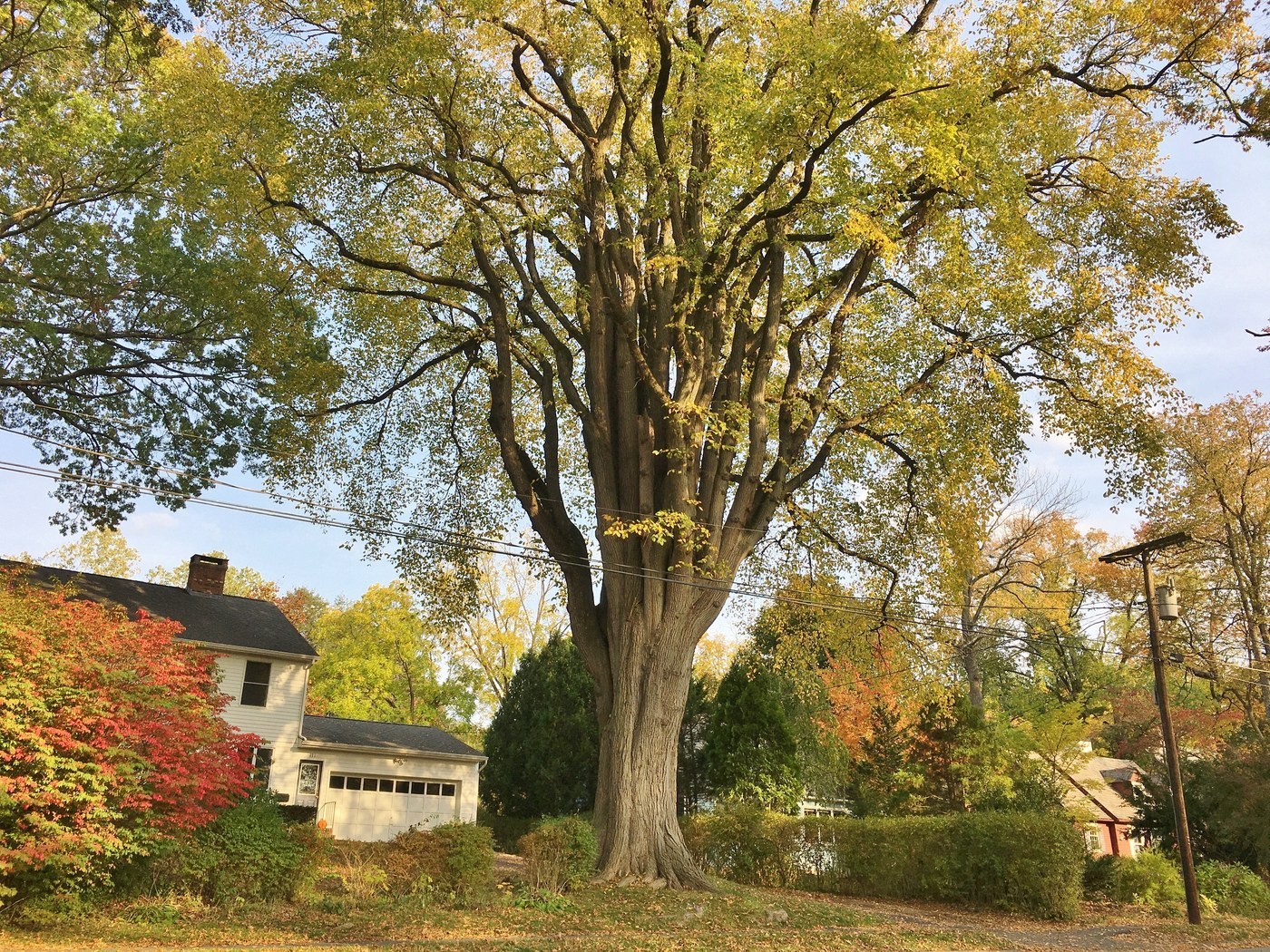
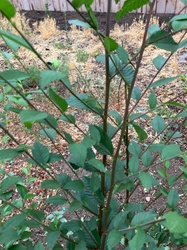
The American elm (Ulmus americana) is a large, fast-growing deciduous shade tree celebrated for its graceful, arching vase shape and adaptability. It is straightforward to grow in most conditions, though modern care centers on choosing disease-resistant selections and watching for Dutch elm disease.
Light
American elm grows best in full sun, where it develops the fullest, most symmetrical canopy. It tolerates partial shade but becomes thinner and less vigorous. Give it an open site with room for its wide, spreading crown to reach its stately mature form.
Water
The American elm prefers moderate, consistent moisture and tolerates wet soils and even periodic flooding better than most shade trees. Water young trees regularly to establish deep roots. Mature trees are moderately drought tolerant but perform best with steady moisture during extended dry spells.
Soil & Potting
Highly adaptable, American elm grows in a wide range of soils including moist, rich bottomland loams, clay, and even compacted urban ground. It handles a broad pH range and tolerates poor drainage far better than many trees. Deep, fertile, moist soil produces the fastest, healthiest growth.
Humidity & Temperature
A cold-hardy tree of temperate climates, American elm withstands harsh winters and hot summers alike. It adapts to varied humidity and is well suited to continental conditions. Its toughness and tolerance of urban stress made it a historic street tree, though disease has changed how it is planted today.
Feeding
Established elms in reasonable soil rarely need fertilizer. For young trees or poor soils, a light spring application of balanced slow-release fertilizer supports growth. A ring of organic mulch over the root zone conserves moisture, moderates soil temperature, and slowly feeds the tree. Avoid piling mulch against the trunk.
Propagation
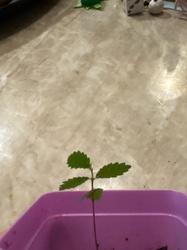
American elm is propagated by seed, which is best sown fresh soon after it ripens in spring for good germination. Named disease-resistant cultivars are propagated vegetatively by cuttings or grafting to preserve their traits, since seedlings vary and lack guaranteed resistance.
Repotting / Pruning
Prune in late winter while dormant to develop strong structure and remove dead, crossing, or weak branches; importantly, dormant-season pruning avoids attracting the bark beetles that spread Dutch elm disease during the growing season. Establish good branch structure early. Always use clean tools and remove and destroy diseased wood promptly.
Common Problems & Pests
Dutch elm disease, a fungal infection spread by elm bark beetles, is the most serious threat and can be fatal; wilting, yellowing branches (flagging) are early signs. Elm leaf beetles, aphids, and elm yellows can also affect trees. Plant resistant cultivars, prune in dormancy, and remove infected wood quickly to limit spread.
Seasonal Care Tips
Plant in spring or fall and water well to establish. Prune only in the dormant season to reduce disease risk. Maintain a mulch ring and steady moisture through summer. Watch for sudden branch wilting or flagging in the growing season and act fast, removing affected limbs and consulting an arborist if Dutch elm disease is suspected.
Frequently asked questions
When should I prune an American elm?
Prune in late winter while the tree is dormant. Growing-season pruning attracts the bark beetles that spread Dutch elm disease, so dormant pruning is much safer, and always use clean tools.
What is Dutch elm disease and how do I prevent it?
It is a fungal disease spread by elm bark beetles that can kill the tree; early signs are wilting, yellowing branches. Plant resistant cultivars, prune only in dormancy, and promptly remove and destroy any infected wood.
Does American elm tolerate wet soil?
Yes, better than most shade trees. It naturally grows in moist bottomlands and tolerates wet ground and periodic flooding, while also handling clay, compaction, and a wide pH range.
How fast does an American elm grow?
It is a fast-growing tree, especially in deep, moist, fertile soil with full sun. Consistent watering while young helps it establish quickly and develop its classic vase-shaped canopy.
American Elm identified by the community
Recent American Elm specimens identified with Plant Identifier.