American Elm
Ulmus americana
American elm is a stately deciduous tree famous for its graceful vase-shaped canopy, once a beloved street tree until Dutch elm disease devastated populations; disease-resistant cultivars now revive its use.
- Light
- Full sun
- Water
- Moderate; tolerates wet soil
- Difficulty
- Moderate
Got a plant like this?
Identify any plant from a photo, free.
Overview
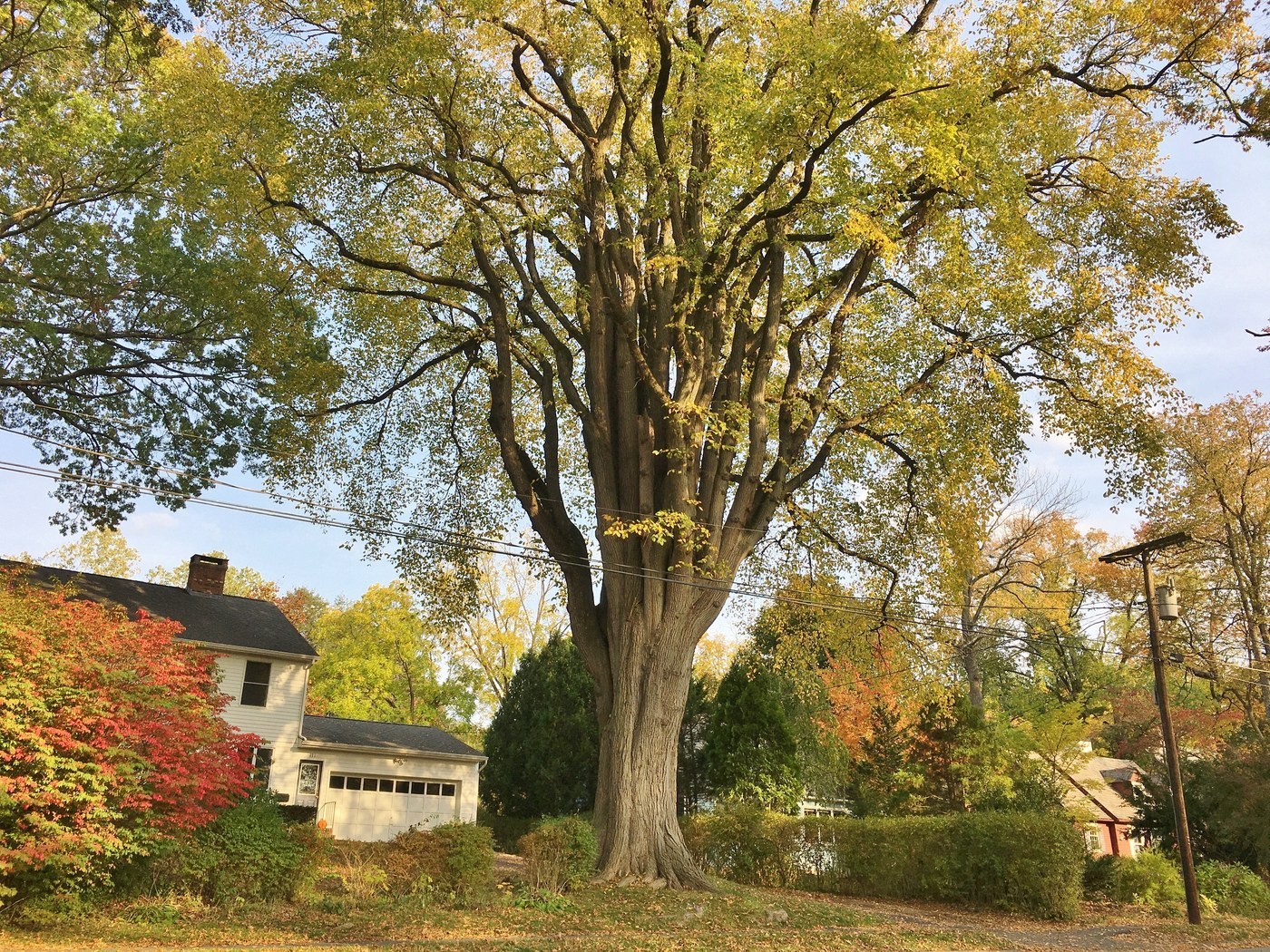
American elm (Ulmus americana) is a tall, graceful deciduous tree native to eastern North America, historically one of the most planted street trees on the continent. Its arching, vase-shaped form created the famous shaded "cathedral" avenues of countless towns.
Beginning in the 20th century, Dutch elm disease — a fungal infection spread by bark beetles — killed millions of mature elms and dramatically reduced its use.
Today, disease-resistant cultivars such as 'Princeton' and 'Valley Forge' are restoring this iconic tree to streets and parks.
How to identify it
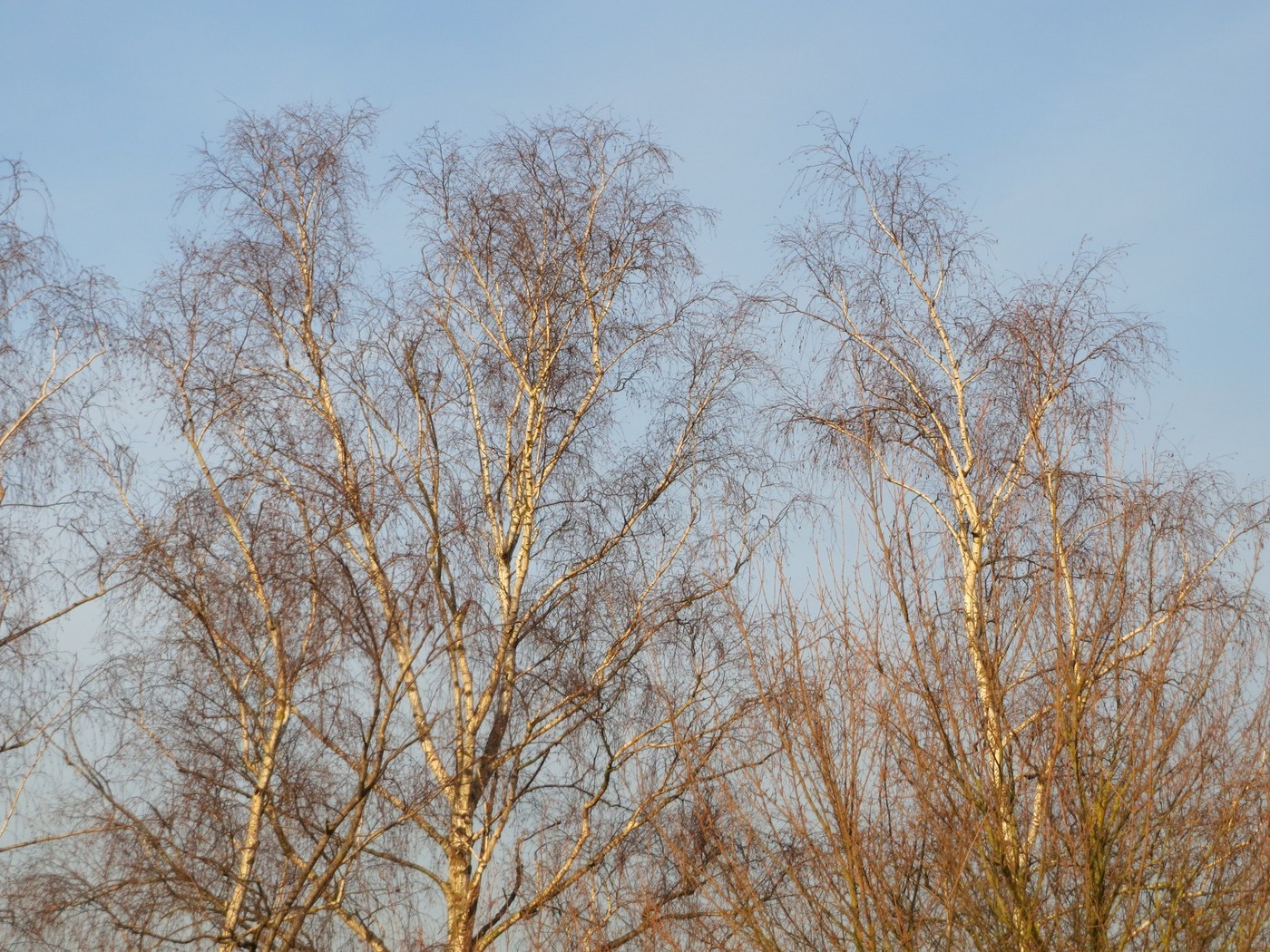
A large deciduous tree with an unmistakable umbrella-like silhouette.
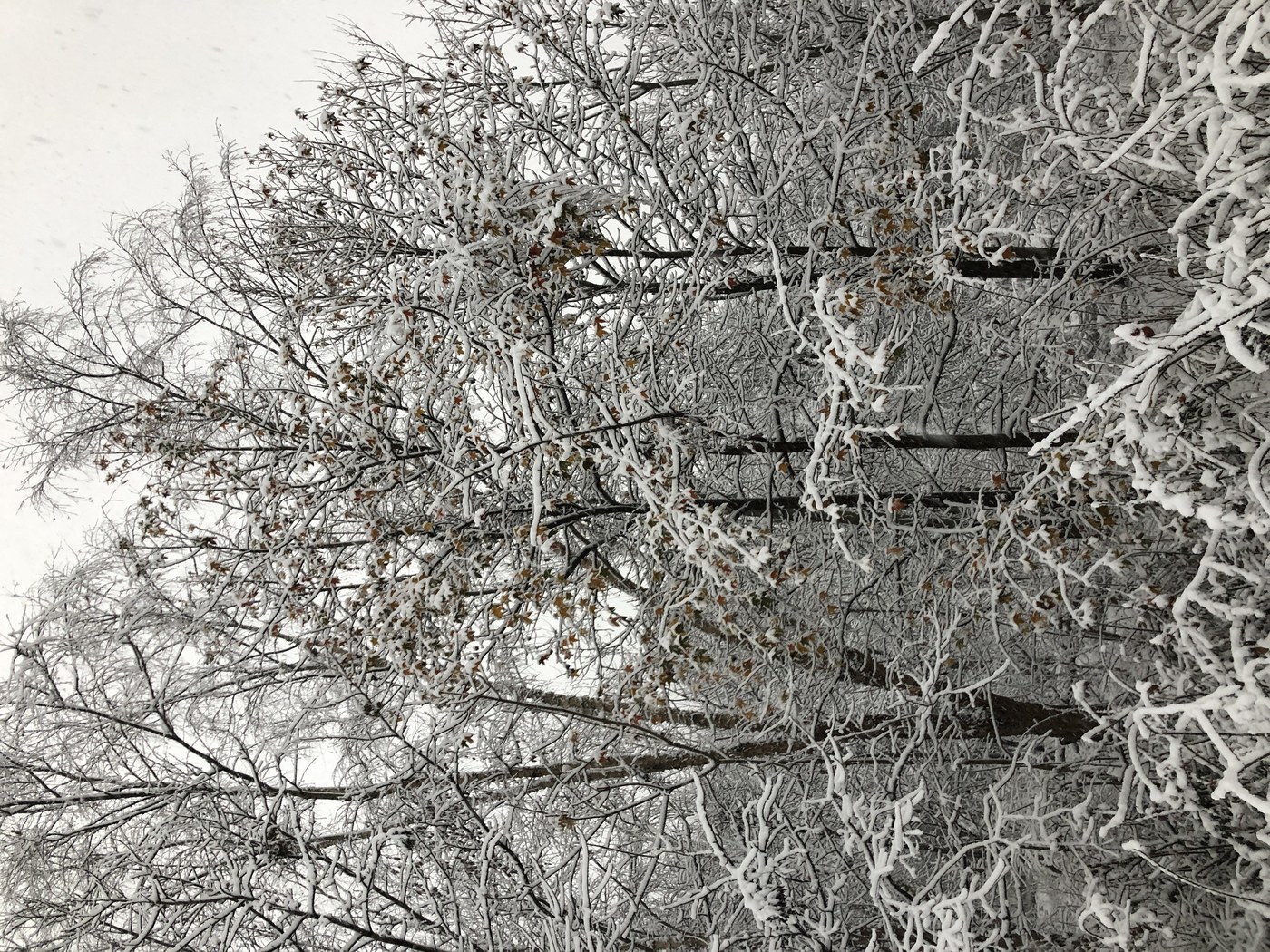
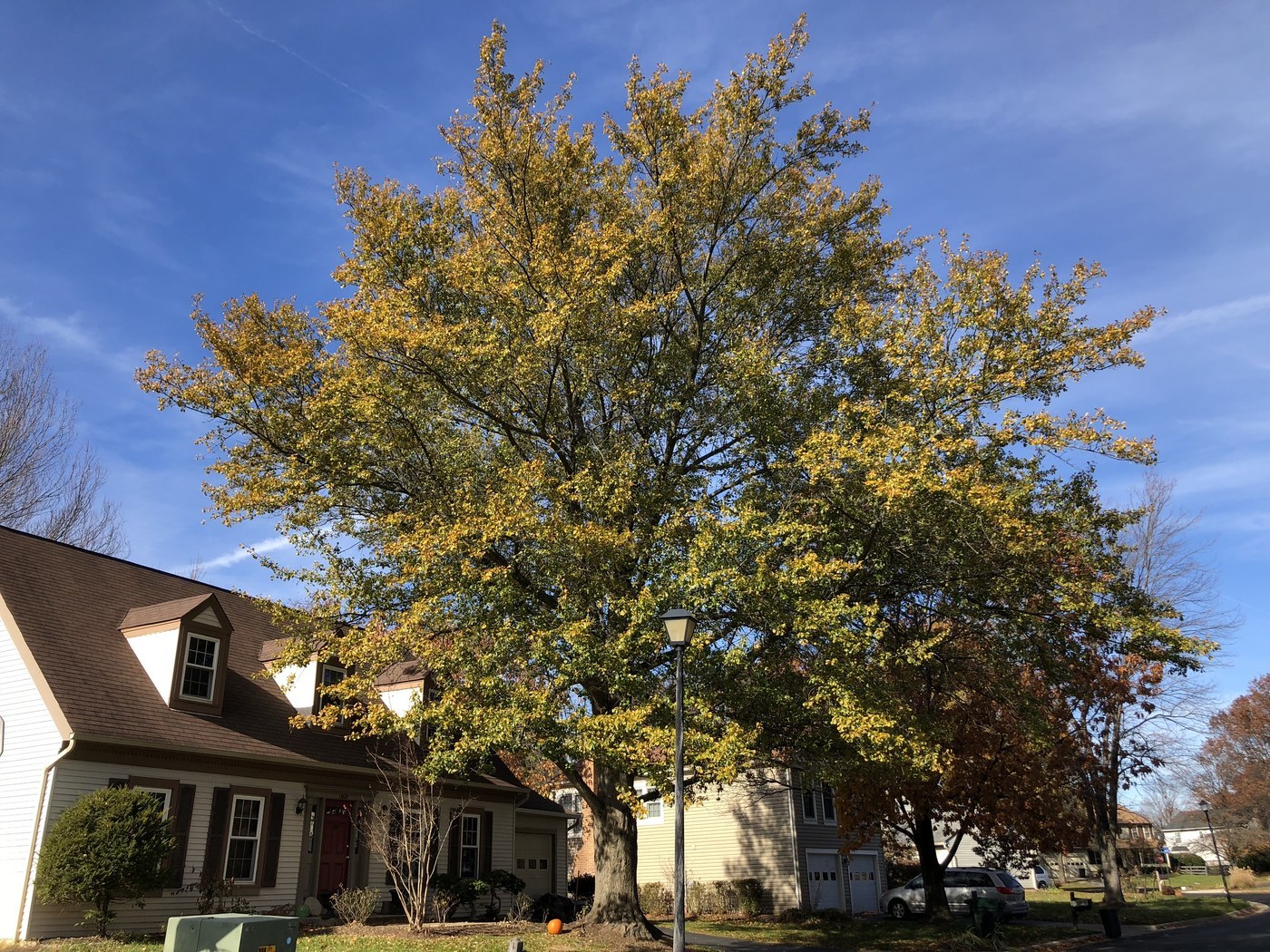
- Habit: trunk divides into several upright limbs that arch outward, forming a broad, spreading, vase or fountain shape
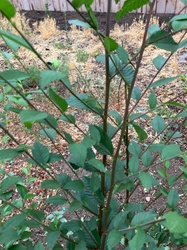
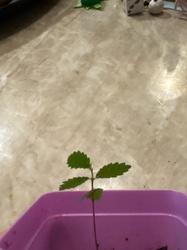
- Leaves: alternate, oval, 7-15 cm, with doubly serrated margins and a strongly asymmetrical (lopsided) base; rough on top; clear yellow in fall
- Flowers/seeds: tiny early-spring flowers followed by flat, oval, papery winged samaras
- Bark: grayish, deeply furrowed into flat-topped, intersecting ridges; inner bark shows alternating light and dark layers
- Size: 18-30 m tall, often equally wide
Care & growing
Plant a disease-resistant cultivar for best long-term success.
- Light: full sun
- Water: prefers moist soils; tolerates seasonal flooding and some drought once established
- Soil: adaptable to a wide range, including clay and wet bottomland
- Temperature: very hardy, USDA zones 3-9
- Feeding: generally not required
- Propagation: from seed or, for named cultivars, by grafting and cuttings
- Disease: choose resistant cultivars and avoid pruning during beetle flight season to reduce Dutch elm disease risk
Habitat & origin
Native across eastern and central North America, from Nova Scotia to Florida and west to the Great Plains. In nature it grows along rivers, floodplains, and moist bottomlands.
For over a century it was the dominant urban street tree of North America before disease losses. Resistant selections are now widely replanted in cities, campuses, and parks.
Frequently asked questions
What is Dutch elm disease?
It's a lethal fungal disease spread by bark beetles that clogs the tree's water-conducting vessels, causing wilting and death. It devastated American elm populations in the 20th century.
Can I still plant American elm?
Yes. Disease-resistant cultivars like 'Princeton', 'Valley Forge', and 'New Harmony' are widely available and much less susceptible to Dutch elm disease.
How do I identify an American elm leaf?
Look for oval, doubly toothed leaves with a distinctly lopsided (asymmetrical) base and a rough upper surface.
Why was it so popular as a street tree?
Its tall trunk and high, arching, vase-shaped canopy met overhead, forming shaded tunnels over streets while leaving room below for traffic and pedestrians.
American Elm guides
In-depth guides for identifying, growing, and caring for American Elm.
How to Care for American Elm
A stately, fast-growing shade tree with a classic vase-shaped canopy. American elm is adaptable and easy, but needs disease-aware care.
American Elm Identification Guide
Identify American elm by its vase-shaped crown, doubly serrated asymmetrical leaves, and flat papery winged seeds.
American Elm identified by the community
Real specimens identified with Plant Identifier.