How to Care for Bougainvillea
Grow blazing bougainvillea with full sun, lean watering, and root-bound pots to trigger those famous papery bracts.
Read the full Bougainvillea encyclopedia entry →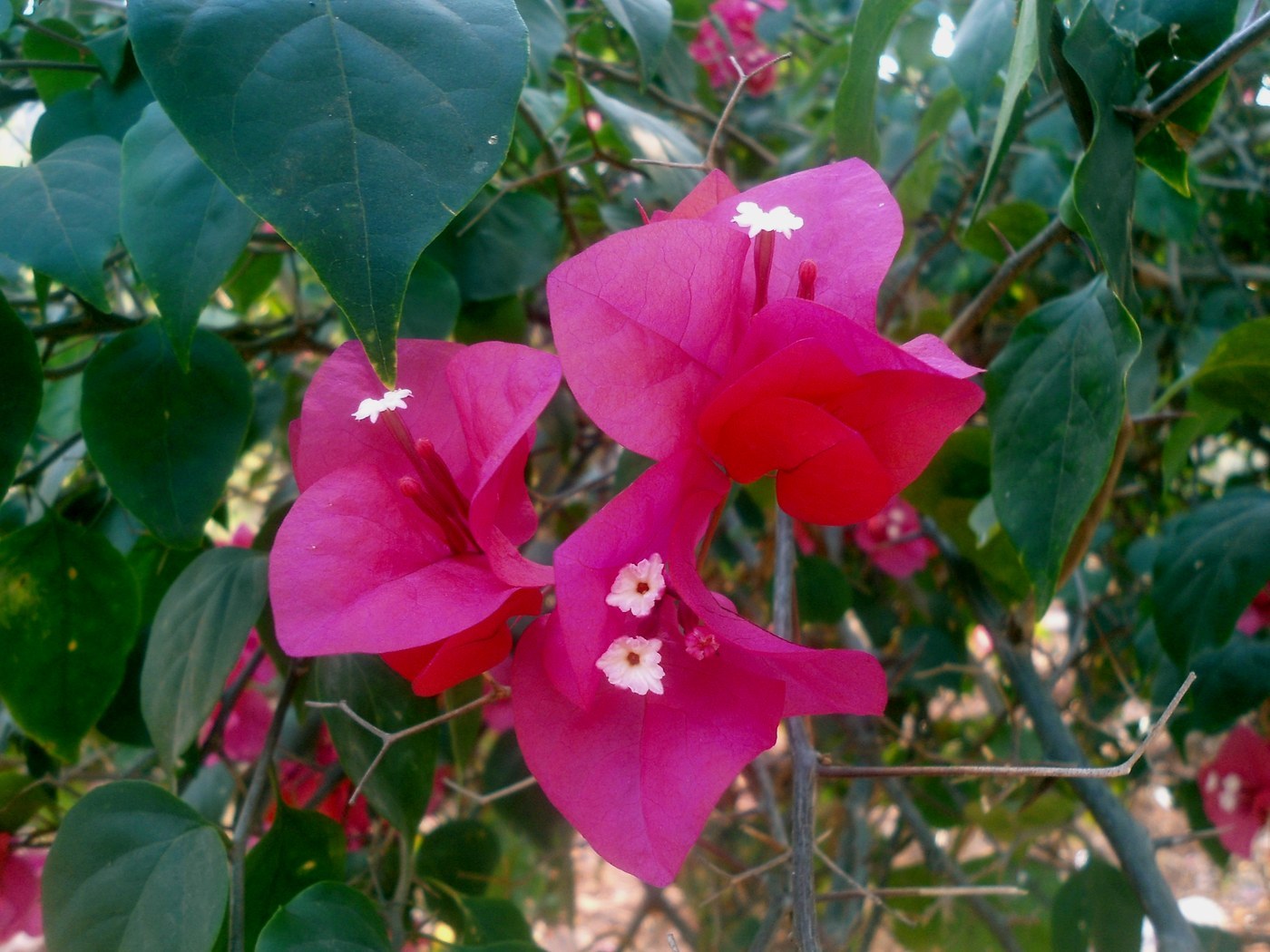
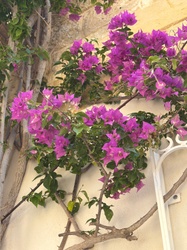
Bougainvillea is a vigorous, thorny tropical climber famous for its papery, brightly colored bracts that surround tiny true flowers. It rewards heat, sun, and a slightly stressful, lean routine with months of relentless color, but it sulks when coddled with too much water or shade.
Light
Give bougainvillea the brightest spot you have. It needs a minimum of 5-6 hours of direct sun daily, and full-day sun produces the heaviest bloom. In too little light the plant turns leggy, throws out long whippy canes, and refuses to color up. Indoors it struggles unless placed against a hot south- or west-facing window or under strong grow lights.
Water
Water deeply, then let the top several inches of soil dry out before watering again. Bougainvillea blooms best under mild drought stress; consistently soggy roots push leafy green growth at the expense of bracts and invite root rot. In peak summer heat and in pots you may water two to three times a week; in cooler or dormant periods cut back sharply. When bracts start to drop and leaves wilt slightly, that is often the cue to water and it will also nudge fresh flushes of color.
Soil & Potting
Use a fast-draining, gritty mix. A blend of quality potting soil cut with pumice, perlite, or coarse sand works well. Bougainvillea hates heavy, waterlogged soil, so any container must have generous drainage holes. It actually flowers more freely when slightly root-bound, so resist the urge to over-pot; a snug container encourages blooming.
Humidity & Temperature
This is a warm-climate plant that thrives in heat and tolerates dry air well. It is happiest between 65-95F (18-35C) and grows outdoors year-round only in frost-free regions (roughly USDA zones 9b-11). Temperatures below about 30F (-1C) damage or kill top growth, so in cold climates grow it in a pot and bring it into a bright, cool but frost-free space over winter.
Feeding
Feed regularly during the active growing season with a bloom-oriented fertilizer that is not overly high in nitrogen; too much nitrogen fuels leaves instead of bracts. A formula higher in phosphorus and potassium supports flowering. Feed every two to four weeks from spring through late summer, then taper off in fall and stop over winter.
Propagation
Bougainvillea is most reliably propagated from semi-hardwood stem cuttings taken in late spring or summer. Take 4-6 inch cuttings of firm, non-flowering wood, remove the lower leaves, dip in rooting hormone, and insert into a gritty, barely moist rooting mix. Keep warm and lightly humid but not wet; rooting can be slow and erratic, so start several cuttings to improve your odds.
Repotting / Pruning
Repot only when truly necessary, moving up one pot size, since it flowers best when root-restricted. The roots are brittle and resent disturbance, so handle the rootball gently. Pruning is key to shape and bloom: cut back hard after a flush of color to encourage branching, since flowers form on new growth. Wear thick gloves because of the sharp thorns, and prune the main structural cuts in late winter or early spring before the growth surge.
Common Problems & Pests
Leaf drop is usually a response to sudden changes in water, temperature, or being moved. Failure to bloom almost always traces to insufficient light, too much water, or excess nitrogen. Yellowing leaves can signal overwatering or iron deficiency in alkaline soil. Watch for aphids, mealybugs, spider mites, and whitefly, especially on stressed or indoor plants; treat with insecticidal soap or horticultural oil and improve airflow.
Seasonal Care Tips
In spring, prune, repot if needed, and resume feeding as growth accelerates. Through summer, lean into the sun-and-stress routine for maximum bracts, watering deeply but infrequently. In fall, reduce feeding and watering to let the plant harden off. In winter, protect from frost, keep it cool and on the dry side, and expect it to slow down or drop leaves; this rest sets it up for a strong spring rebound.
Frequently asked questions
Why won't my bougainvillea bloom?
The usual culprits are too little sun, too much water, or over-feeding with nitrogen. Give it 6+ hours of direct sun, let it dry between deep waterings, keep it slightly root-bound, and use a bloom-focused fertilizer lower in nitrogen.
Why is my bougainvillea dropping leaves?
Leaf drop is typically a stress response to a sudden change, such as being moved, a swing in temperature, or inconsistent watering. It often recovers once conditions stabilize, and mild dryness can actually trigger a new flush of bracts.
Can I grow bougainvillea in a pot?
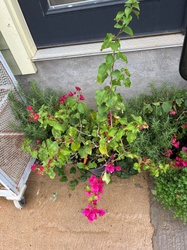
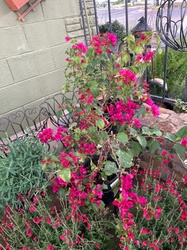
Yes, and pots are ideal in cold climates so you can move it indoors before frost. Use a fast-draining gritty mix, a snug container with good drainage, and place it in the hottest, sunniest spot available.
When should I prune bougainvillea?
Do the main structural pruning in late winter or early spring before the growth surge, and pinch or cut back lightly after each bloom flush. Because flowers form on new growth, regular pruning encourages more branching and color. Wear thick gloves for the thorns.
Bougainvillea identified by the community
Recent Bougainvillea specimens identified with Plant Identifier.