How to Care for Echinacea
Grow Echinacea (purple coneflower) in full sun with lean, well-drained soil for a tough, drought-tolerant perennial loaded with daisy blooms.
Read the full Echinacea encyclopedia entry →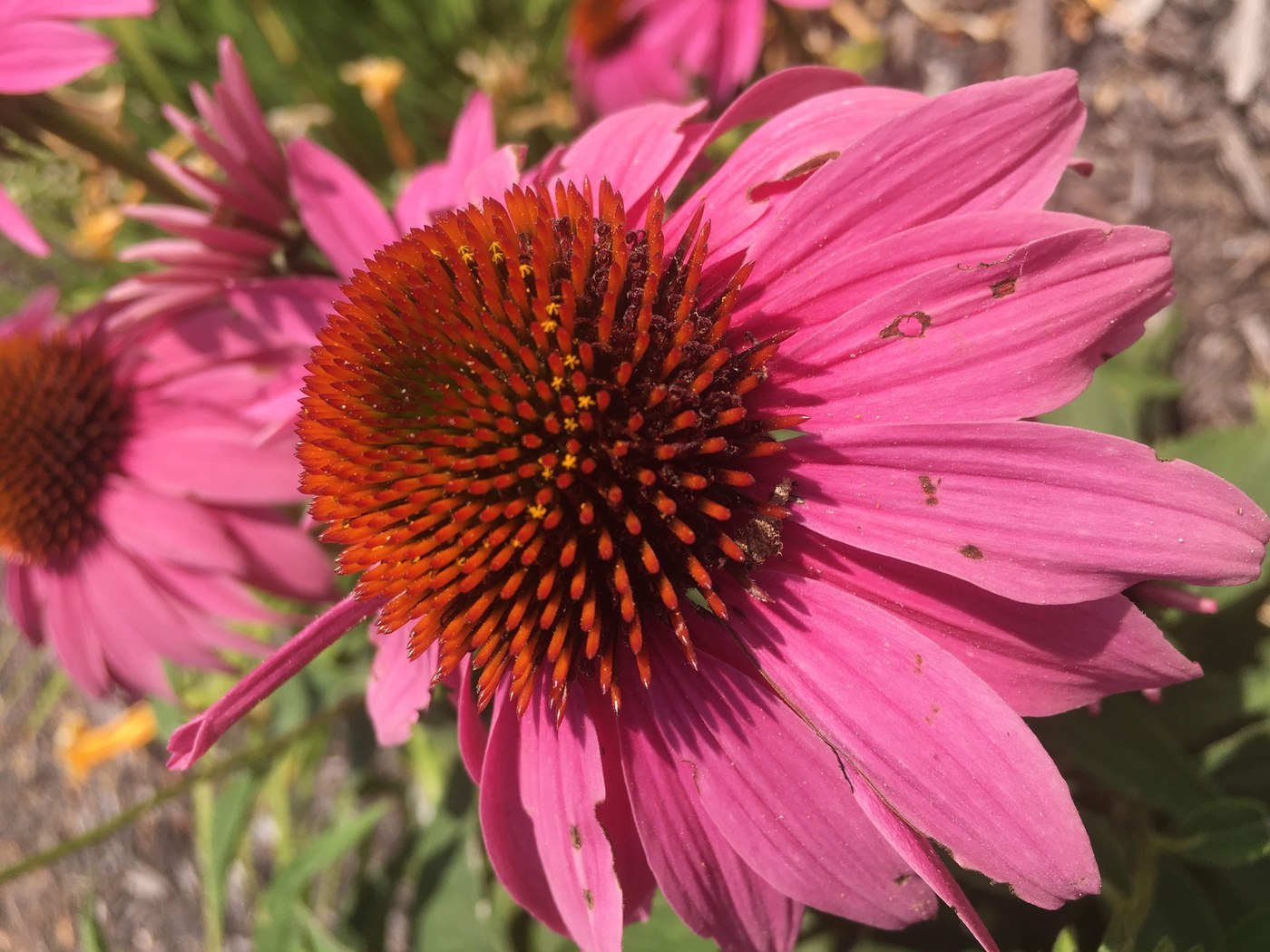
Echinacea (Echinacea purpurea), the purple coneflower, is a hardy prairie perennial with bold daisy-like flowers featuring drooping petals around a raised, cone-shaped center. It is one of the easiest, most rewarding sun perennials, thriving on neglect once it settles in.
Light
Echinacea demands full sun, ideally six or more hours of direct light a day. Abundant sun produces sturdy, upright stems and the heaviest flowering. In too much shade the plants grow leggy, flop over, and bloom sparsely.
Water
Water needs are low to moderate. Keep new plantings evenly moist through their first season so the roots establish, then water only during extended dry spells. Once established, Echinacea is notably drought tolerant thanks to its deep taproot. It strongly dislikes soggy soil, so err on the dry side.
Soil & Potting
Echinacea prefers lean-to-average, well-drained soil and actually blooms better without rich feeding. Heavy clay that stays wet in winter is its main enemy; amend with grit or compost to improve drainage, or plant on a slight mound. It tolerates a range of pH and even rocky or sandy ground.
Humidity & Temperature
As a prairie native it takes heat, humidity, wind, and cold in stride. It is fully hardy across a wide range and needs no humidity fussing. Established crowns overwinter reliably in the ground; simply cut back or leave the seed heads standing for winter interest.
Feeding
Feed sparingly. A single spring top-dressing of compost, or a light application of balanced fertilizer, is all it needs. Over-fertilizing, especially with high nitrogen, produces floppy, leafy growth at the expense of flowers.
Propagation
Propagate by seed, division, or basal cuttings. Seed benefits from a period of cold, moist stratification and often self-sows in the garden. Divide mature clumps in spring or fall every three to four years to reinvigorate them. Root cuttings taken from the taproot in late fall or winter are another reliable method.
Repotting / Pruning
Echinacea resents frequent disturbance because of its taproot, so divide only when clumps become congested. Deadhead spent blooms to prolong flowering, or leave the cones intact late in the season for structure and to let it self-seed. Cut old stems back in late winter or early spring before new growth appears.
Common Problems & Pests
The most frequent problems stem from wet soil, which causes crown and root rot. In humid conditions watch for powdery mildew and leaf spots; improve air circulation and avoid overhead watering. Aster yellows, a disease that deforms flowers into greenish tufts, calls for removing and destroying affected plants. Japanese beetles and occasional aphids may visit but rarely cause lasting damage.
Seasonal Care Tips
In spring, cut back old growth, top-dress with compost, and divide crowded clumps. Through summer, deadhead for continued bloom and water only in drought. In fall, decide whether to leave the seed heads standing for winter interest and self-seeding. In winter the plant is dormant and needs no attention beyond good drainage.
Frequently asked questions
Why is my Echinacea flopping over?
Floppy, leggy stems usually mean too little sun or too much fertilizer. Give it at least six hours of direct sun and feed only sparingly, and the stems will grow sturdy and upright.
How often should I water established Echinacea?
Very little. Once established, its deep taproot makes it drought tolerant, so water only during extended dry spells. Keep new plantings evenly moist for the first season, then ease off.
Should I deadhead Echinacea?
Deadheading spent blooms prolongs flowering. Alternatively, leave the cone-shaped seed heads standing into fall and winter for structure and to allow the plant to self-seed.
How do I propagate Echinacea?
By seed (which benefits from cold, moist stratification), by dividing mature clumps in spring or fall, or by root cuttings taken in late fall. Divide congested clumps every three to four years.
Echinacea identified by the community
Recent Echinacea specimens identified with Plant Identifier.