Hydrangea Identification Guide
Recognize hydrangeas by their large rounded or cone-shaped clusters of four-petaled flowers, big toothed leaves, and shrubby growth.
Read the full Hydrangea encyclopedia entry →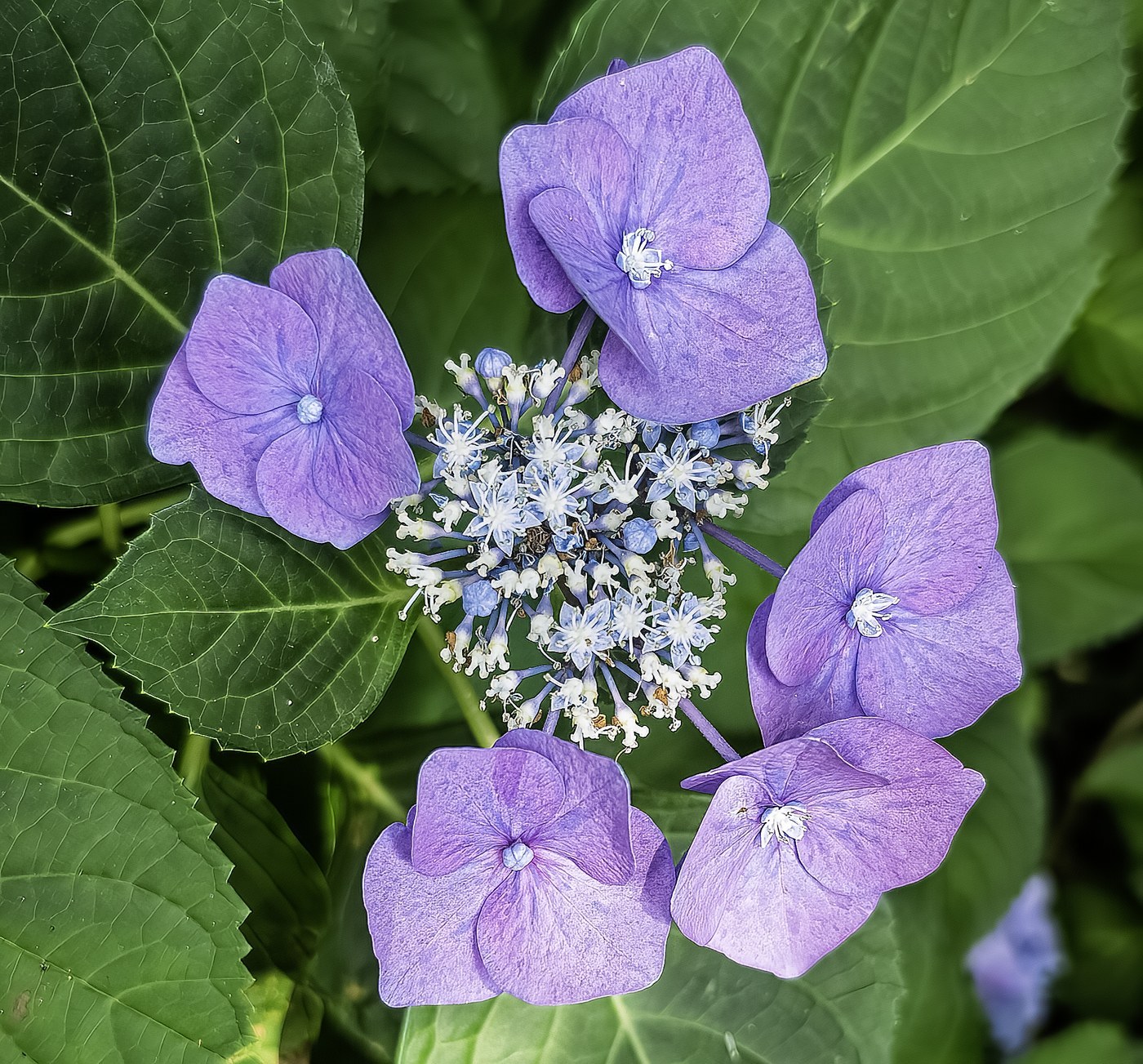
Key Identifying Features
Hydrangeas (Hydrangea species) are deciduous shrubs (a few are climbers) known for their massive flower clusters. Identify them by:
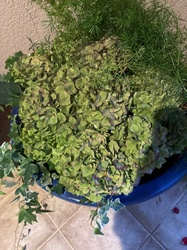
- Large flower clusters shaped as rounded mopheads, flat lacecaps, or elongated cones
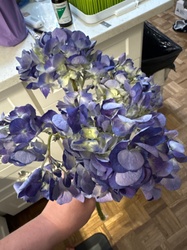
- Showy sterile flowers each with four (sometimes five) petal-like sepals
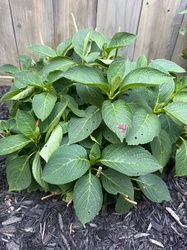
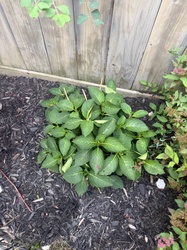
- Big, opposite leaves that are broad, oval to heart-shaped, with toothed margins and visible veins
- A rounded, multi-stemmed shrub habit, typically 1-3 m tall
- Flower color in some species shifting blue to pink with soil pH
Leaves & Stems
Hydrangea leaves are opposite (paired across the stem), large, and usually coarsely toothed (serrated) with a pointed tip and prominent pinnate veins. Hydrangea quercifolia (oakleaf) has distinctive deeply lobed, oak-like leaves that turn red-purple in fall. Stems are woody, often with peeling or shredding bark on older growth, and the pith is large. New shoots are green and somewhat brittle.
Flowers & Fruit
The blooms are the easiest clue. Each cluster contains many small flowers; the conspicuous ones are sterile florets with four broad colorful sepals and no true function beyond attracting pollinators. Mophead types form dense round balls; lacecap types show a flat ring of showy sterile flowers around tiny fertile ones; panicle types (H. paniculata) form cone-shaped clusters that often age from white to pink. Bloom time is summer into fall, and dried heads often persist through winter. Fruit is a small dry capsule. In H. macrophylla, flowers turn blue in acidic soil and pink in alkaline soil.
How to Tell It Apart from Look-Alikes
- Viburnum shrubs also have rounded white flower clusters, but individual viburnum flowers are typically five-lobed and the leaves differ; viburnums produce fleshy berries rather than dry capsules.
- Lilac flowers are tubular and four-lobed in narrow upright cones with smooth heart-shaped leaves, and they bloom in spring.
- Mountain laurel and rhododendron are evergreen with bell- or funnel-shaped flowers.
- Hydrangea's combo of four-sepaled sterile florets in large mop, lace, or cone clusters with big opposite toothed leaves is distinctive.
Where You'll Find It
Hydrangeas are popular in gardens, foundation plantings, and hedges in temperate and subtropical regions. Wild species grow in moist woodlands and slopes in East Asia and the Americas. They favor part shade and consistently moist, rich soil, hinting at the name (Greek hydor, water).
Quick ID Checklist
- Large mophead, lacecap, or cone-shaped flower clusters
- Showy florets with four broad petal-like sepals
- Big opposite leaves with toothed edges
- Woody, rounded multi-stemmed shrub
- Older stems with peeling bark
- Some types change blue/pink with soil pH
Bold flower heads of four-sepaled florets above large paired toothed leaves point clearly to a hydrangea.
Frequently asked questions
Why did my hydrangea change from blue to pink?
Bigleaf hydrangeas (H. macrophylla) respond to soil chemistry: acidic soil with available aluminum produces blue flowers, while alkaline soil yields pink. Not all hydrangea species change color this way.
What's the difference between a mophead and a lacecap?
Mopheads form dense rounded balls of mostly showy sterile flowers, while lacecaps show a flat cluster with a ring of showy florets surrounding small fertile flowers in the center.
How do I tell a hydrangea from a viburnum?
Hydrangea sterile florets have four broad petal-like sepals and the fruit is a dry capsule, while viburnums usually have five-lobed flowers and produce fleshy berries.
Are hydrangea 'petals' actually petals?
The showy colored parts are modified sepals, not true petals. The real flowers are tiny and fertile, while the large colorful sepals serve to attract pollinators.
Hydrangea identified by the community
Recent Hydrangea specimens identified with Plant Identifier.