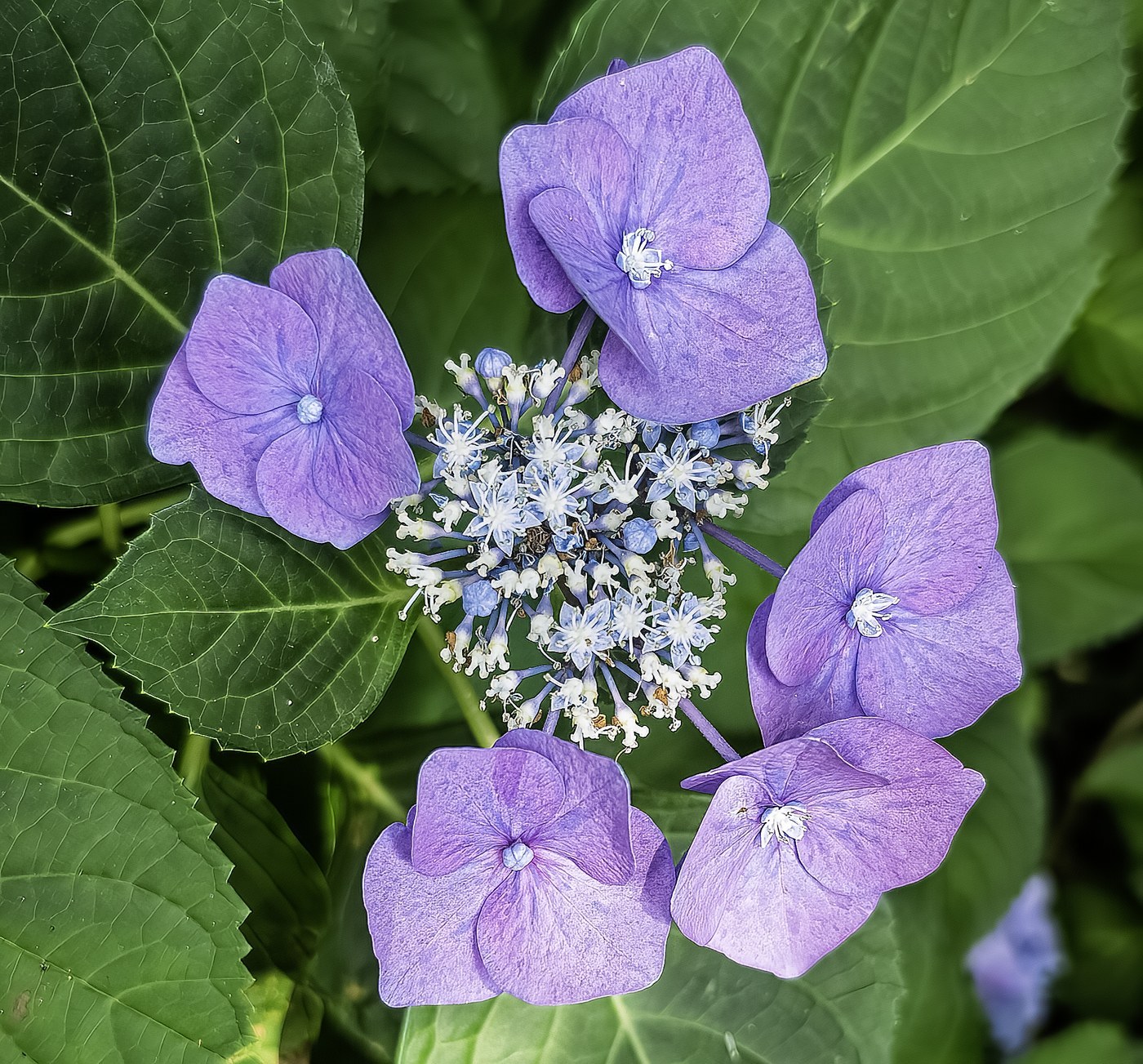
Hydrangea
Hydrangea macrophylla
A leafy garden shrub famous for big rounded clusters of summer flowers that can shift between blue and pink depending on soil pH. Hydrangeas are showy, thirsty, and shade-tolerant.
- Light
- Morning sun, afternoon shade
- Water
- Frequent; keep soil moist
- Difficulty
- Moderate
Got a plant like this?
Identify any plant from a photo, free.
Overview
Hydrangeas are deciduous shrubs (a few are climbers) beloved for their massive, long-lasting flower heads that dominate summer gardens. The bigleaf type is the most familiar.
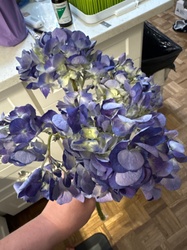
A remarkable trait of bigleaf hydrangeas is color change: acidic soils produce blue flowers while alkaline soils produce pink, due to aluminum availability.
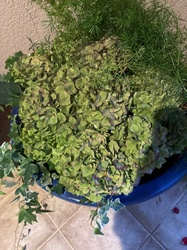
Flower forms include rounded "mophead" clusters and flatter "lacecap" types, and the plant thrives in part shade where many other flowering shrubs struggle.
How to identify it
Spot a hydrangea by:
- Flowers: Large rounded or flat-topped clusters of small four-petaled flowers, in blue, pink, purple, or white.
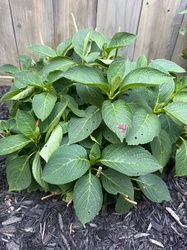
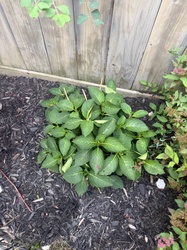
- Leaves: Big, oval, toothed, deep-green leaves arranged in opposite pairs.
- Habit: A rounded, bushy deciduous shrub usually 3-6 feet tall and wide.
- Stems: Stout, woody, with prominent leaf scars.
- Color shift: Bigleaf types change flower color with soil pH (blue in acid, pink in alkaline).
Care & growing
Give hydrangeas moisture and shelter from harsh sun.
- Light: Morning sun with afternoon shade is ideal; full sun causes wilting and scorch.
- Water: Water frequently and deeply; the name comes from Greek for "water vessel," reflecting their thirst.
- Soil: Rich, moist, well-drained soil high in organic matter; adjust pH to tune flower color.
- Temperature: Hardy in temperate zones; protect buds from late frosts.
- Feeding: Feed in spring with a balanced or bloom fertilizer.
- Propagation: Easy from softwood cuttings in summer; prune type depends on whether it blooms on old or new wood.
Habitat & origin
Bigleaf hydrangeas are native to Japan, while other species hail from elsewhere in Asia and the Americas. They naturally grow at woodland edges and moist, partly shaded slopes.
Widely cultivated, hydrangeas are popular garden shrubs across temperate regions worldwide and are grown commercially as potted gift plants and cut flowers, including dried arrangements.
Frequently asked questions
How do I make my hydrangea blue?
Lower the soil pH to acidic (around 5.5) and ensure aluminum is available; adding aluminum sulfate encourages blue blooms, while lime and higher pH turn them pink.
Why won't my hydrangea bloom?
The most common reasons are pruning at the wrong time (cutting off old-wood buds), late frost damage to buds, or too much shade.
When should I prune hydrangeas?
It depends on the type: bigleaf types bloom on old wood and are pruned right after flowering, while panicle and smooth types bloom on new wood and are cut back in late winter.
Why is my hydrangea wilting?
Wilting usually means the soil is too dry or the plant is getting too much hot sun; deep watering and afternoon shade typically revive it.
Hydrangea guides
In-depth guides for identifying, growing, and caring for Hydrangea.
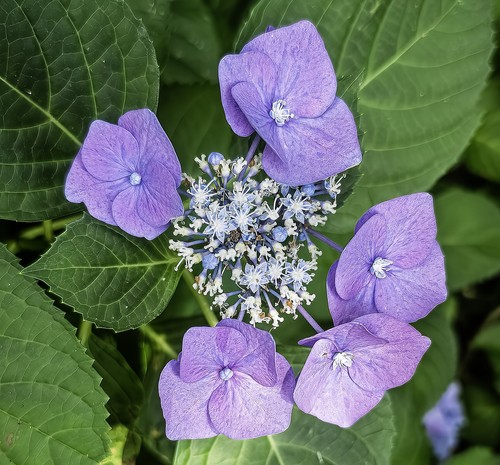
How to Care for Hydrangea
Keep bigleaf hydrangeas lush with morning sun, consistently moist soil, and correct timing on pruning to protect the blooms.
Hydrangea Identification Guide
Recognize hydrangeas by their large rounded or cone-shaped clusters of four-petaled flowers, big toothed leaves, and shrubby growth.
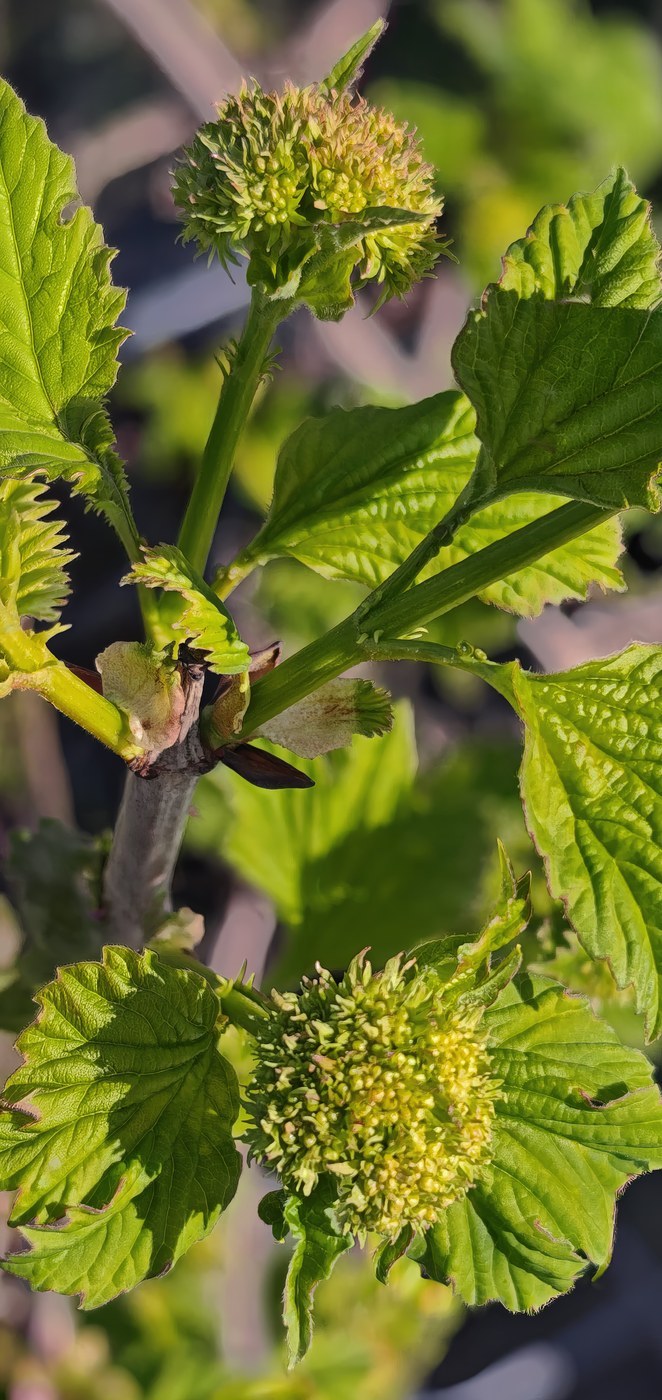
Hydrangea identified by the community
Real specimens identified with Plant Identifier.