Impatiens Identification Guide
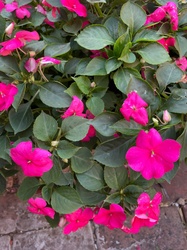
Identify impatiens by their flat five-petaled spurred flowers, succulent translucent stems, and seed pods that burst at a touch. Covers bedding impatiens, New Guinea types, and jewelweed.
Read the full Impatiens encyclopedia entry →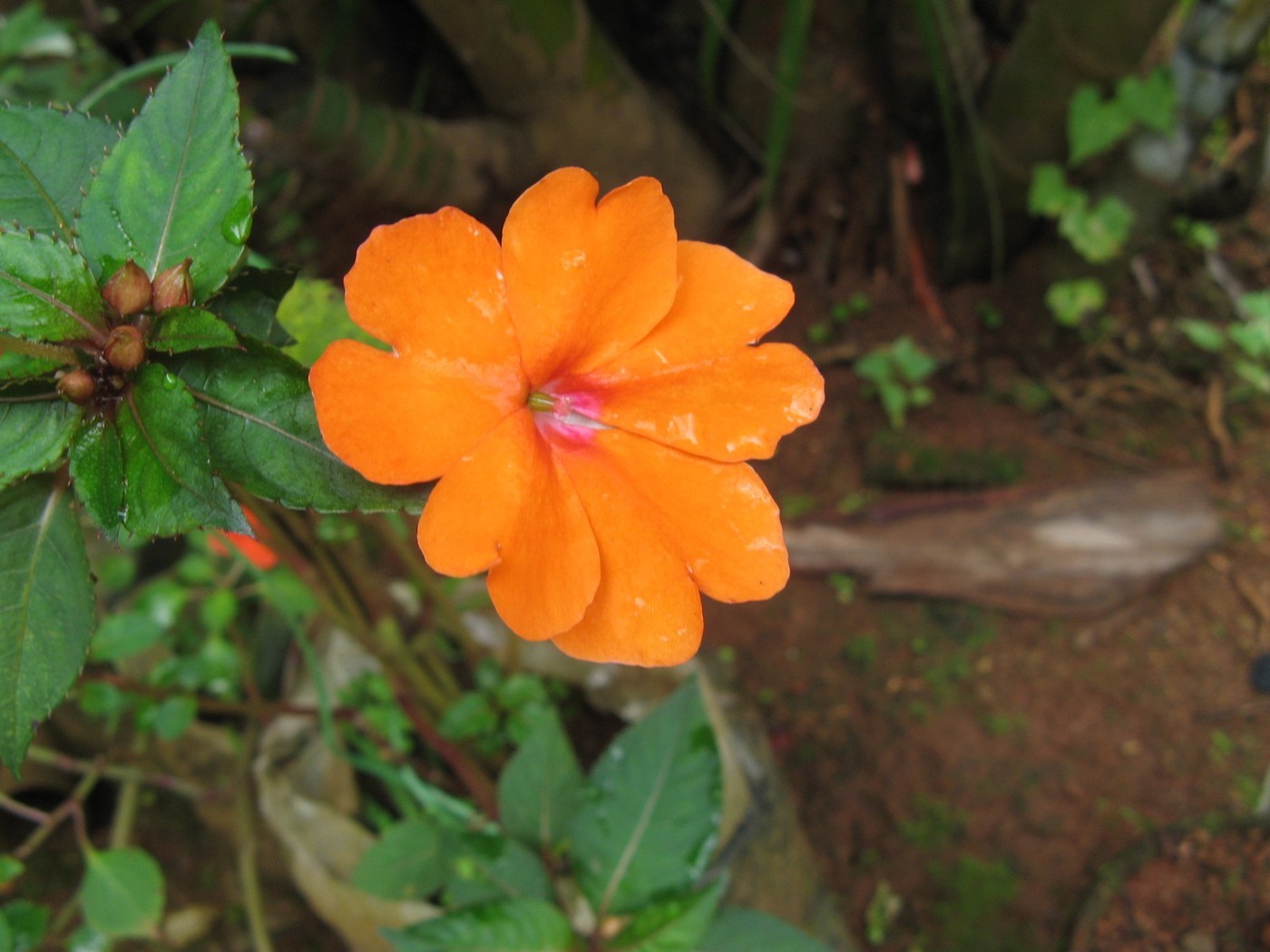
Key Identifying Features
Impatiens are soft, succulent annuals (and some perennials) beloved for nonstop flowers in shade. The name 'impatiens' (impatient) refers to ripe seed pods that explode at the lightest touch.
- Flat, 5-petaled flowers with a backward spur
- Bright colors: red, pink, white, orange, coral, purple, lavender
- Juicy, translucent, water-filled stems that snap easily
- Profuse bloom held among or above the foliage
Leaves & Stems
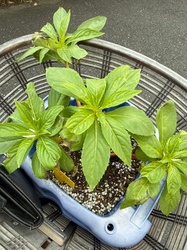
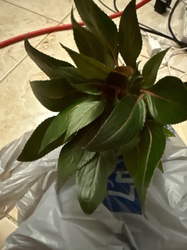
Stems are smooth, fleshy, and almost see-through, often greenish or reddish, brittle and full of watery sap. Leaves are oval to lance-shaped with toothed (serrated) margins, glossy, and arranged alternately or whorled near the top. New Guinea impatiens have larger, often bronze or variegated leaves. The whole plant has a delicate, watery, non-woody feel.
Flowers & Fruit
Each flower is slightly asymmetric, with a spur extending behind it. The fruit is a swollen green capsule that builds tension as it ripens; when touched it coils open instantly, flinging seeds—an unmistakable ID test. This explosive dispersal is also seen in wild jewelweed (Impatiens capensis/pallida).
How to Tell It Apart from Look-Alikes
- Begonias: another common shade bedding plant, but begonias have asymmetric (lopsided) leaves, waxy rounded petals, and no exploding pods or spur.
- Jewelweed (wild impatiens): orange or yellow spurred flowers, hollow translucent stems, and snapping seedpods in moist woods.
- Busy Lizzie (Impatiens walleriana): the classic flat-faced bedding type for deep shade.
- The exploding seed pod plus juicy translucent stems are the definitive impatiens traits.
Where You'll Find It
Bedding impatiens are everywhere in shady beds, borders, and containers; New Guinea types tolerate more sun. Wild jewelweed grows in moist, shady stream banks and wet woods. Impatiens prefer cool, moist, rich soil and wilt quickly when dry, recovering fast after water.
Quick ID Checklist
- Flat 5-petaled flower with a rear spur
- Juicy, translucent, brittle stems
- Toothed oval/lance leaves
- Seed pods explode when touched when ripe
- Bright shade-loving bloom
- Wilts fast, recovers fast with water
Flat spurred flowers on watery translucent stems, plus seed pods that pop at a touch, confirm an impatiens.
Frequently asked questions
Why are they called impatiens?
The name means 'impatient,' referring to the ripe seed capsules that burst open and fling seeds at the slightest touch.
How do I tell impatiens from begonias?
Impatiens have symmetric toothed leaves, spurred flat flowers, and exploding pods, while begonias have lopsided asymmetric leaves, waxy rounded petals, and no spur or popping pods.
Is jewelweed a kind of impatiens?
Yes. Jewelweed (Impatiens capensis and pallida) is a wild native impatiens with orange or yellow spurred flowers and the same snapping seedpods, found in moist woods.
Why does my impatiens wilt so fast?
Their stems and leaves are full of water and have little woody support, so they wilt quickly when soil dries but usually recover rapidly after watering.
Impatiens identified by the community
Recent Impatiens specimens identified with Plant Identifier.