How to Care for Peace Lily
Grow a lush Peace Lily indoors with easy tips on light, watering, humidity and feeding for glossy leaves and elegant white spathes.
Read the full Peace Lily encyclopedia entry →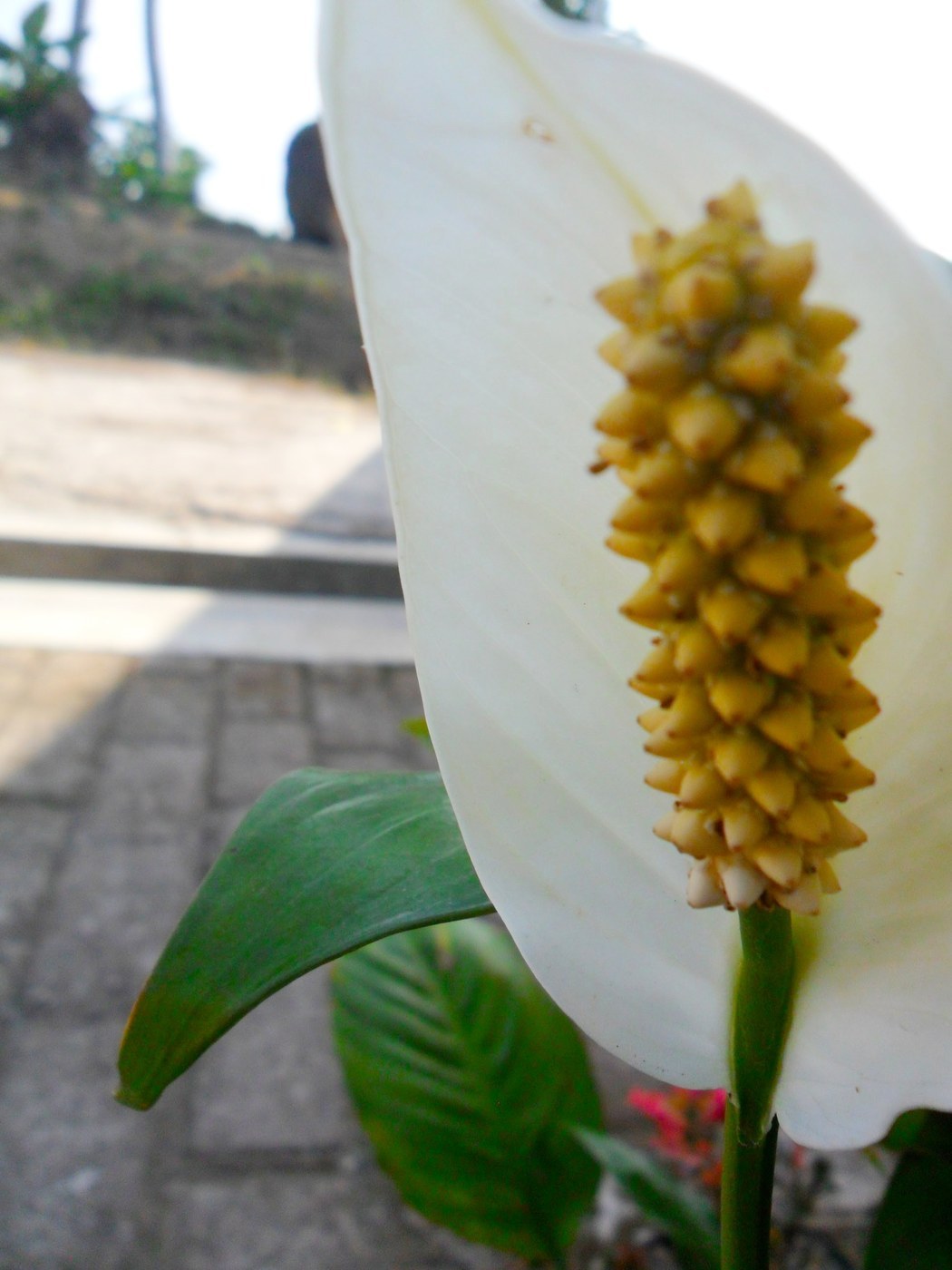
The Peace Lily (Spathiphyllum wallisii) is one of the most forgiving flowering houseplants, prized for its glossy dark foliage and elegant white spathes. It thrives in lower light than most blooming plants, making it an easy pick for offices and shaded rooms.
Light
Peace Lilies do best in low to medium indirect light. They tolerate genuinely dim corners better than almost any other flowering houseplant, but consistently low light means fewer blooms. For the most spathes, place near an east- or north-facing window with bright, filtered light. Keep them out of direct midday sun, which scorches the leaves and leaves brown, papery patches.
Water
Keep the soil evenly moist but never waterlogged. Water thoroughly when the top of the soil begins to feel slightly dry, letting excess drain freely from the bottom. This plant is famously expressive: when it is thirsty the leaves droop dramatically, then perk back up within an hour or two of watering. Try not to rely on that wilt as your only cue, as repeated severe droops stress the plant over time. Use room-temperature water, and if your tap water is heavily chlorinated let it sit out overnight or use filtered water to avoid leaf-tip browning.
Soil & Potting
Use a rich, well-draining potting mix based on peat or coco coir with added perlite for aeration. A general-purpose houseplant mix works well; you can lighten it with a handful of orchid bark or perlite to prevent compaction. Always choose a pot with drainage holes, as Peace Lilies are prone to root rot in standing water.
Humidity & Temperature
These are tropical understory plants that love warmth and humidity. Aim for 65-80F (18-27F) and keep them away from cold drafts, air-conditioning vents, and windows that dip below 55F (13C) in winter. They appreciate humidity above 50%; in dry indoor air, group plants together, set the pot on a pebble-and-water tray, or run a humidifier to prevent crispy leaf tips.
Feeding
Feed lightly during the active growing season (spring through early fall) with a balanced liquid houseplant fertilizer diluted to half strength, roughly every 4-6 weeks. Peace Lilies are light feeders and over-fertilizing causes brown leaf tips and salt buildup. Flush the soil with plain water every couple of months to clear accumulated mineral salts, and pause feeding in winter.
Propagation
Propagate by division, ideally at repotting time in spring. Slide the plant from its pot, gently tease the root ball apart into clumps, and make sure each division has several leaves and a healthy portion of roots. Pot each section into fresh mix, water in, and keep warm and humid while the divisions settle. Peace Lilies are not grown from stem cuttings.
Repotting / Pruning
Repot every 1-2 years, or when roots circle the pot and the plant dries out very quickly. Move up just one pot size, as Peace Lilies bloom better when slightly snug. Spring is the best time. Pruning is minimal: snip spent flower stalks down to the base once the spathe turns green then brown, and trim away any yellowing or damaged leaves at soil level with clean scissors to keep the plant tidy.
Common Problems & Pests
Brown leaf tips usually signal low humidity, mineral buildup, or fluoride/chlorine in tap water. Yellow leaves often mean overwatering or too much direct sun. A total lack of blooms points to light that is too dim or a plant that has just been fed too much nitrogen. Watch for spider mites, mealybugs, and scale, especially in dry air; wipe leaves with a damp cloth and treat infestations with insecticidal soap. Chronically soggy soil leads to root rot, so always let excess water drain.
Seasonal Care Tips
In spring and summer, water more frequently, resume feeding, and expect the main flush of blooms. In fall and winter, growth slows: reduce watering, stop fertilizing, and keep the plant away from cold drafts and heating vents. Wipe dust from the broad leaves periodically so they can photosynthesize efficiently, and rotate the pot occasionally for even, upright growth.
Frequently asked questions
Why won't my Peace Lily bloom?
The most common cause is light that is too low. While Peace Lilies survive in dim spots, they need bright, indirect light to produce their white spathes. Move it closer to a filtered window and avoid over-feeding with high-nitrogen fertilizer, which encourages leaves over flowers.
Why are the leaf tips turning brown?
Brown tips are usually caused by low humidity, over-fertilizing, or minerals like chlorine and fluoride in tap water. Raise humidity, flush the soil with plain water, and switch to filtered or dechlorinated water.
How often should I water a Peace Lily?
Water when the top of the soil starts to feel slightly dry, keeping it evenly moist but never soggy. In a warm, bright spot this may be about once a week, less in winter. The leaves droop when thirsty, but avoid letting it wilt severely every time.
Why is my Peace Lily drooping?
Drooping most often means the plant is thirsty; a thorough watering usually revives it within an hour or two. If the soil is already wet, drooping can indicate root rot from overwatering, so check that the pot drains freely.
Peace Lily identified by the community
Recent Peace Lily specimens identified with Plant Identifier.