Peace Lily
Spathiphyllum wallisii
The peace lily is a popular flowering houseplant with glossy dark green leaves and elegant white hooded blooms. It thrives in low light and even tells you when it's thirsty by dramatically drooping.
- Light
- Low to medium indirect light
- Water
- Keep evenly moist
- Difficulty
- Easy
Got a plant like this?
Identify any plant from a photo, free.
Overview
The peace lily (Spathiphyllum) is an evergreen tropical perennial in the arum family, native to the rainforests of Central and South America and parts of Southeast Asia. Despite its name, it is not a true lily.
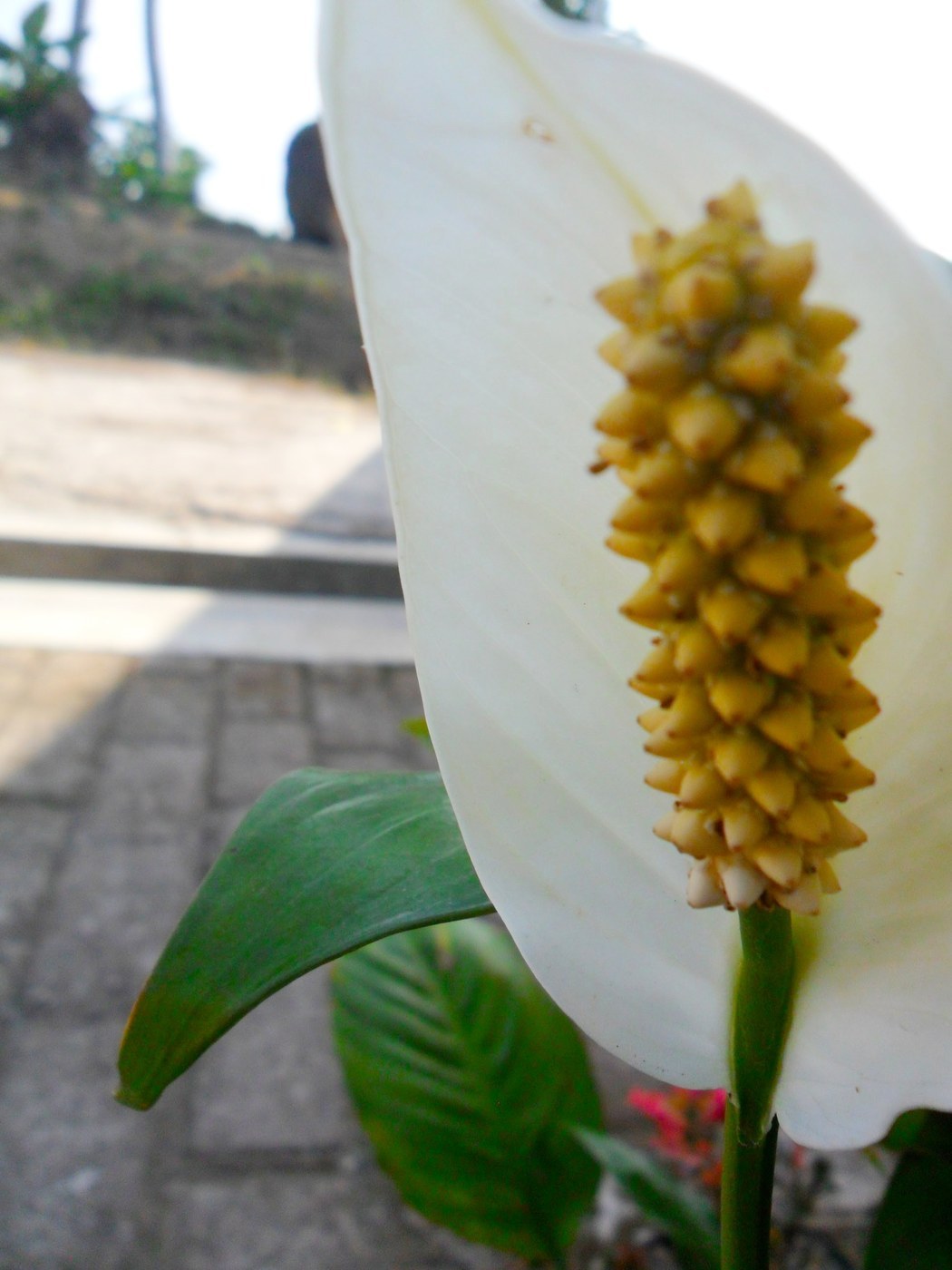
Its striking white 'flowers' are actually a leaf-like bract called a spathe that surrounds a central spadix of tiny true flowers. The plant blooms readily even in low light, making it one of the few flowering houseplants suited to dim rooms.
It is also well known as an air-purifying plant and is forgiving of neglect, though it will wilt dramatically when it needs water — and quickly recover after a drink.
How to identify it
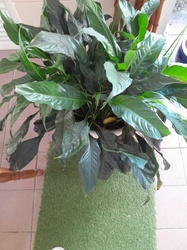
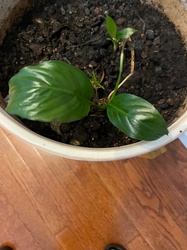
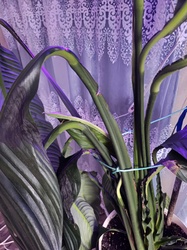
- Leaves: Glossy, dark green, lance-shaped leaves with prominent veins, growing in a clump directly from the soil
- Flowers: White or cream hooded spathe surrounding a pale central spadix; blooms fade to green over time
- Habit: Clumping, stemless rosette spreading from a rhizome
- Size: Commonly 1-3 feet tall indoors
- Behavior: Leaves droop noticeably when the plant needs water
Care & growing
Light: Low to medium indirect light. Tolerates shade but blooms more with brighter (still indirect) light. Avoid direct sun.
Water: Keep the soil evenly moist but not waterlogged. The plant will wilt visibly when dry and bounce back after watering, but repeated wilting stresses it.
Soil: Rich, well-draining potting mix.
Temperature: Prefers 65-80°F (18-27°C) and appreciates higher humidity.
Feeding: Light feeding every 6-8 weeks during the growing season encourages blooms.
Propagation: Divide the clump at the roots in spring.
Habitat & origin
Spathiphyllum species are native to the humid tropical rainforests of Central and South America, with some species in Southeast Asia, where they grow on the shaded forest floor in moist, rich soil.
They are grown outdoors in warm, frost-free climates (USDA zones 11-12) and worldwide as one of the most common flowering houseplants.
Frequently asked questions
Why isn't my peace lily flowering?
Too little light is the usual cause. Move it to a brighter spot with indirect light and feed lightly during the growing season.
Why are the leaves drooping?
Drooping almost always means the plant is thirsty; water thoroughly and it should perk up within hours. Persistent droop can also signal root rot from overwatering.
Why do the flowers turn green?
It is natural for the white spathe to age to green over time. You can trim spent blooms at the base.
Peace Lily guides
In-depth guides for identifying, growing, and caring for Peace Lily.
How to Care for Peace Lily
Grow a lush Peace Lily indoors with easy tips on light, watering, humidity and feeding for glossy leaves and elegant white spathes.
Peace Lily Identification Guide
Recognize the peace lily (Spathiphyllum) by its glossy dark leaves and signature white spathe-and-spadix flower, and distinguish it from calla lilies and other aroids.
Peace Lily identified by the community
Real specimens identified with Plant Identifier.