How to Care for Pigweed
Grow-your-own guide to Pigweed (Amaranthus retroflexus): a vigorous, sun-loving annual that thrives on heat, poor soil, and minimal watering.
Read the full Pigweed encyclopedia entry →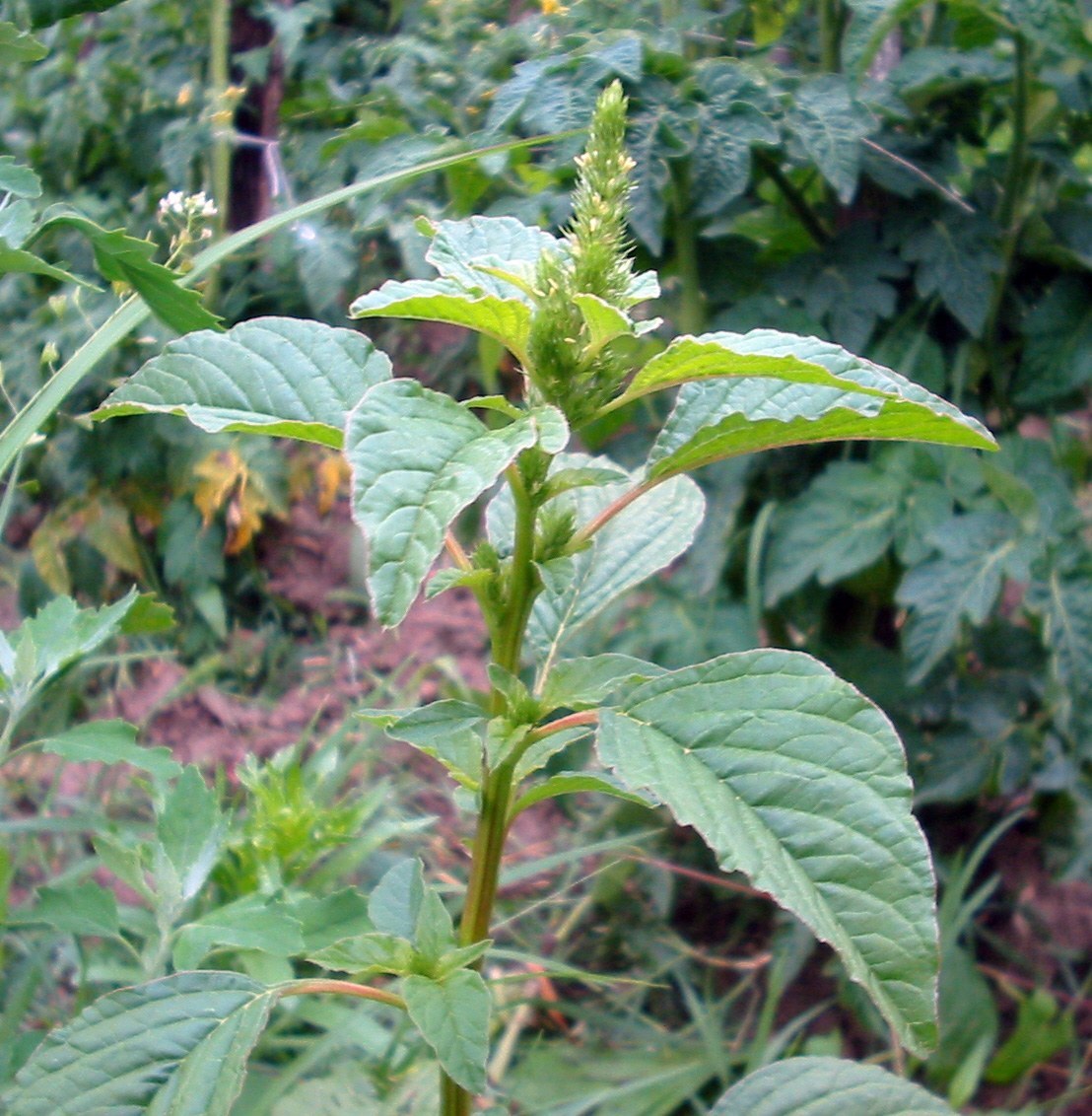
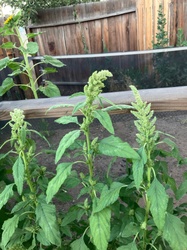
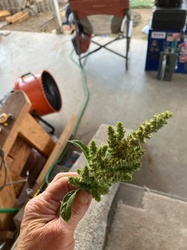
Pigweed (Amaranthus retroflexus) is a fast-growing, warm-season annual prized in ornamental amaranth plantings for its upright habit, coarse foliage, and dense, feathery seed heads. It is one of the easiest plants to grow, tolerating heat, drought, and lean soil that would defeat fussier annuals.
Light
Give Pigweed full sun, the brightest position you can offer. At least six to eight hours of direct light produces sturdy, self-supporting stems and the densest foliage. In too much shade the plant stretches, leans, and flowers weakly.
Water
Water is needed only sparingly. Pigweed is genuinely drought-tolerant thanks to a deep taproot, so keep watering low to moderate and let the soil dry well between drinks. Young seedlings appreciate steadier moisture until established, after which occasional deep watering during prolonged dry spells is plenty. Avoid soggy conditions, which are one of the few things this plant dislikes.
Soil & Potting
Almost any soil works, from sandy to heavy clay. It even flourishes in disturbed, nutrient-poor ground. The main requirement is decent drainage. If growing in containers, a standard all-purpose potting mix with a handful of extra grit or perlite is more than sufficient. There is no need to enrich the soil heavily.
Humidity & Temperature
This is a heat lover. It germinates and grows best once soil is reliably warm, and it powers through hot, dry summer conditions that stall other plants. It has no special humidity needs and does equally well in dry-air climates. It is frost-tender, so growth ends with the first hard freeze.
Feeding
Feeding is rarely necessary and often counterproductive. Rich, high-nitrogen conditions encourage floppy, overly lush growth. If your soil is extremely poor and plants look pale, a single light dose of balanced fertilizer early in the season is enough. In average ground, skip feeding entirely.
Propagation
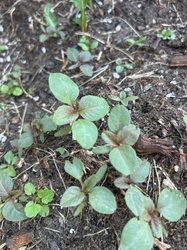
Pigweed is grown from seed. Sow directly where plants are to grow after the soil has warmed, scattering the tiny seeds on the surface or barely covering them, since they need warmth and light to germinate. Thin seedlings to give each plant room. Established plants self-sow freely, so deadhead the seed heads if you want to control spread.
Repotting / Pruning
As an annual, Pigweed is not repotted across seasons. In containers, size up only if a young plant clearly outgrows its pot. Pruning is minimal: pinch the growing tip early if you want a bushier, more branched form, and remove spent or leaning stems to keep plantings tidy.
Common Problems & Pests
Pigweed is remarkably trouble-free. Aphids may cluster on new growth and can be rinsed off with a strong jet of water. Leaf miners and occasional caterpillars sometimes chew foliage but rarely cause serious harm. Overwatering or poorly drained soil is the most common real problem, leading to root rot and collapse. Powdery mildew can appear in crowded, humid, poorly ventilated plantings, so space plants for airflow.
Seasonal Care Tips
Sow in late spring once frost danger has passed and soil is warm. Through summer the plant needs little more than sun and the occasional deep watering. Deadhead through late summer to limit self-seeding. Pull and compost spent plants at the end of the season before frost, and expect volunteer seedlings the following spring.
Frequently asked questions
How much sun does Pigweed need?
Full sun is best, ideally six to eight hours of direct light daily. More sun means sturdier, more upright stems and denser foliage; shade causes weak, leggy growth.
How often should I water Pigweed?
Not often. It is drought-tolerant, so water low to moderate amounts and let the soil dry between waterings. Only water deeply during extended dry spells, and avoid soggy soil.
Does Pigweed need fertilizer?
Usually no. It thrives in poor soil, and rich feeding produces floppy growth. Give a single light feeding early in the season only if plants look pale in very lean ground.
How do I grow Pigweed from seed?
Sow directly outdoors after the soil warms in late spring. Scatter the tiny seeds on the surface or barely cover them, keep lightly moist until they sprout, then thin seedlings.
Is Pigweed easy to grow?
Yes, it is one of the easiest annuals. It tolerates heat, drought, and poor soil, self-sows readily, and has few pest problems as long as drainage is good.
Pigweed identified by the community
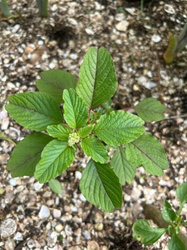
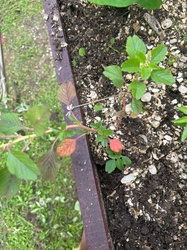
Recent Pigweed specimens identified with Plant Identifier.