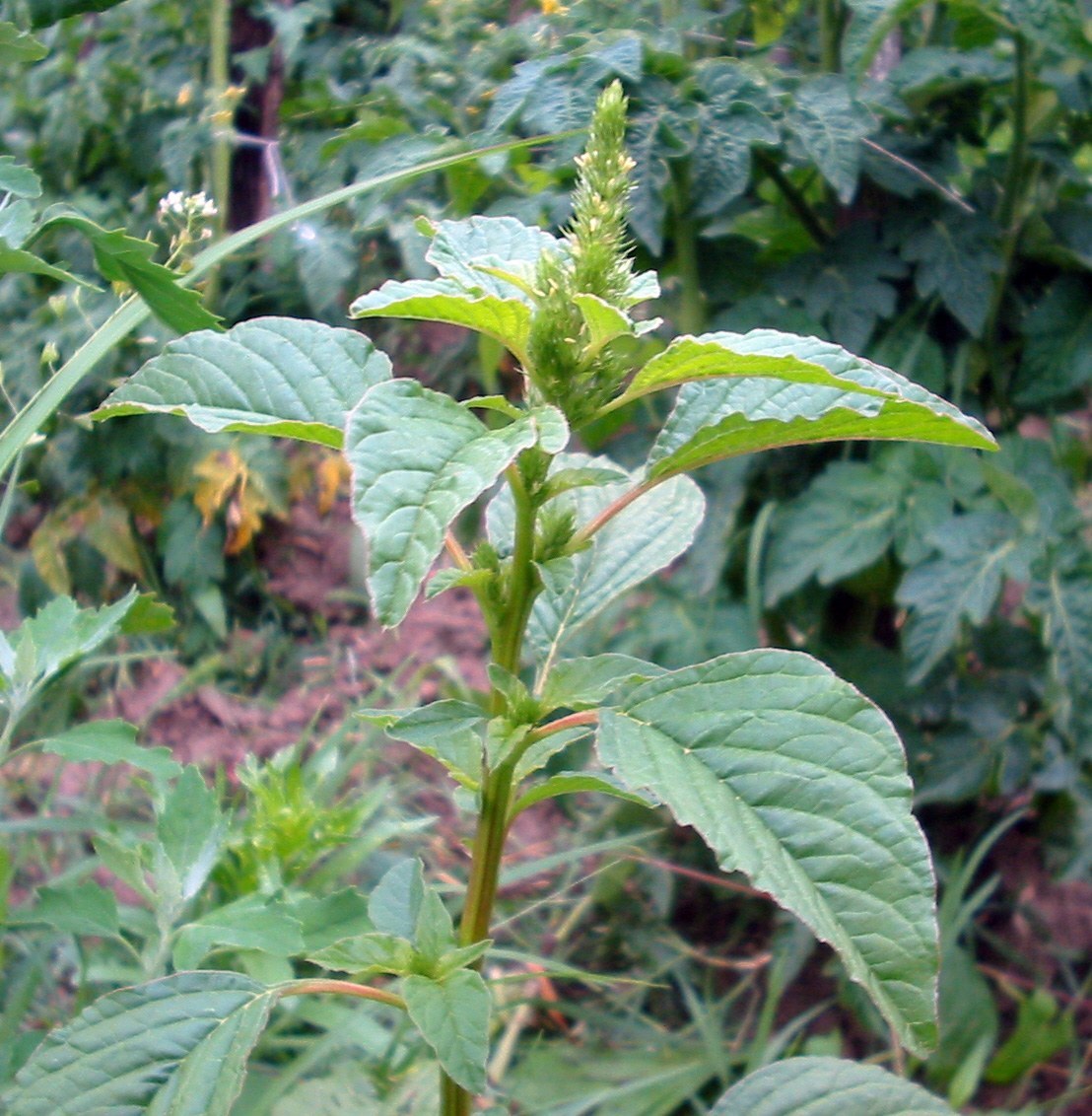
Pigweed
Amaranthus retroflexus
Pigweed is a vigorous annual weed of the amaranth family with reddish roots and dense seed clusters, and a major agricultural pest.
- Light
- Full sun
- Water
- Low to moderate; drought-tolerant
- Difficulty
- Easy
Got a plant like this?
Identify any plant from a photo, free.
Overview
Pigweed most often refers to redroot pigweed (Amaranthus retroflexus), a robust summer annual in the amaranth family. It is one of the most competitive and prolific weeds of cropland and gardens worldwide.
A single plant can produce hundreds of thousands of seeds, and some pigweed species have evolved resistance to common herbicides. It is closely related to the cultivated amaranths.
How to identify it
Look for a coarse, upright plant with a distinctive red taproot.
- Roots: Often a noticeably pink or red taproot (redroot pigweed)
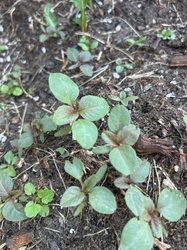
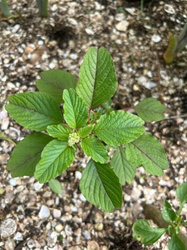
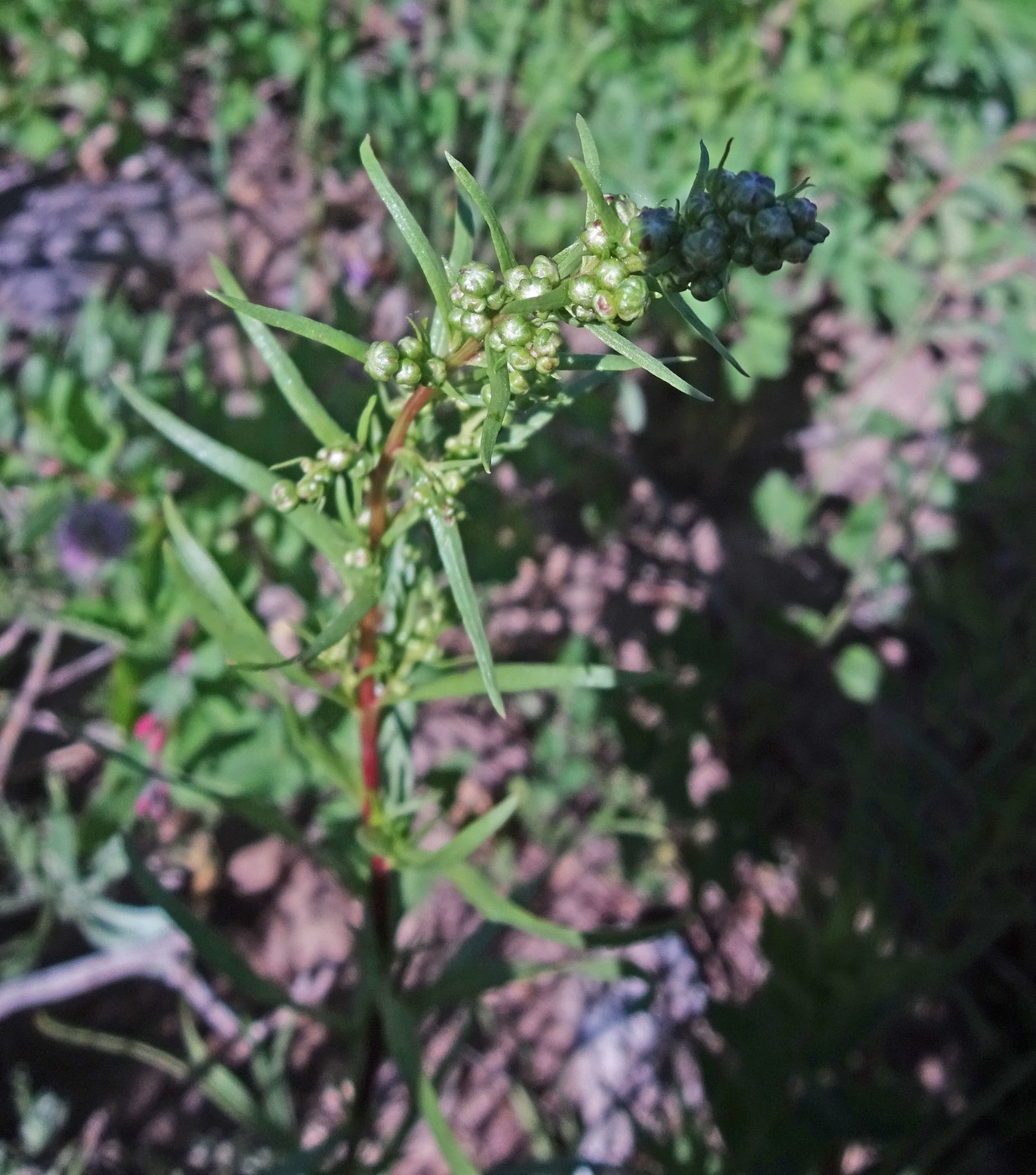
- Leaves: Alternate, oval to diamond-shaped, dull green, with prominent veins and wavy margins
- Stems: Stout, erect, often reddish, sometimes hairy
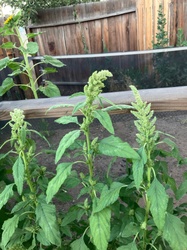
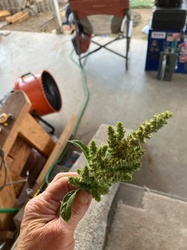
- Flowers: Tiny green flowers packed into dense, bristly terminal and axillary spikes
- Size: Typically 1-6 feet tall depending on species and conditions
Care & growing
An aggressive grower needing no cultivation.
- Light: Full sun
- Water: Drought-tolerant; uses water efficiently (some species are C4 plants)
- Soil: Prefers fertile, disturbed soil; thrives in cultivated ground
- Temperature: Warm-season annual germinating in late spring and summer
- Propagation: Extremely prolific self-seeder
- Control: Remove young plants before flowering; persistent because of huge seed banks and herbicide resistance in some species
Habitat & origin
Redroot pigweed is native to the Americas but has spread across the globe as a weed of agriculture. Various Amaranthus species occur throughout temperate and tropical regions.
It colonizes farm fields, gardens, roadsides, and any disturbed, fertile soil, and is one of the most economically damaging weeds in row crops.
Frequently asked questions
Is pigweed the same as amaranth?
Yes, pigweeds are wild amaranths in the genus Amaranthus, closely related to the cultivated grain amaranth, and share its upright form and dense seed spikes.
Why is pigweed such a problem weed?
It grows fast, produces hundreds of thousands of seeds per plant, competes strongly with crops, and several species have developed resistance to common herbicides.
How do I identify pigweed?
Look for a coarse, upright plant with an often pink or red taproot, dull green oval-to-diamond leaves, and tiny green flowers packed into dense, bristly spikes.
Pigweed guides
In-depth guides for identifying, growing, and caring for Pigweed.
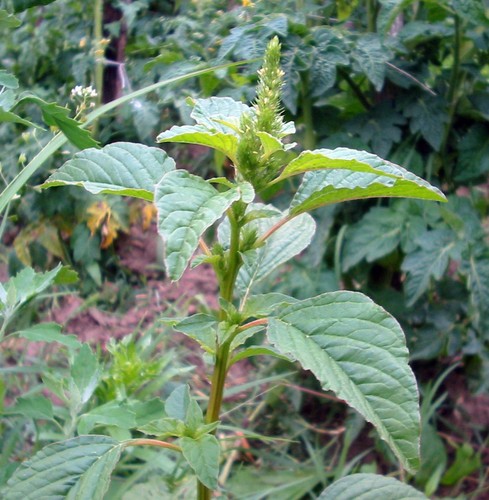
How to Care for Pigweed
Grow-your-own guide to Pigweed (Amaranthus retroflexus): a vigorous, sun-loving annual that thrives on heat, poor soil, and minimal watering.
Pigweed Identification Guide
How to identify pigweed (Amaranthus species) by its oval alternate leaves, often red taproot, and dense bristly green seed spikes.
Pigweed identified by the community
Real specimens identified with Plant Identifier.