How to Care for Strawberry
Grow lush, spreading strawberry plants with full sun, evenly moist soil, and simple runner propagation for an easy ornamental groundcover.
Read the full Strawberry encyclopedia entry →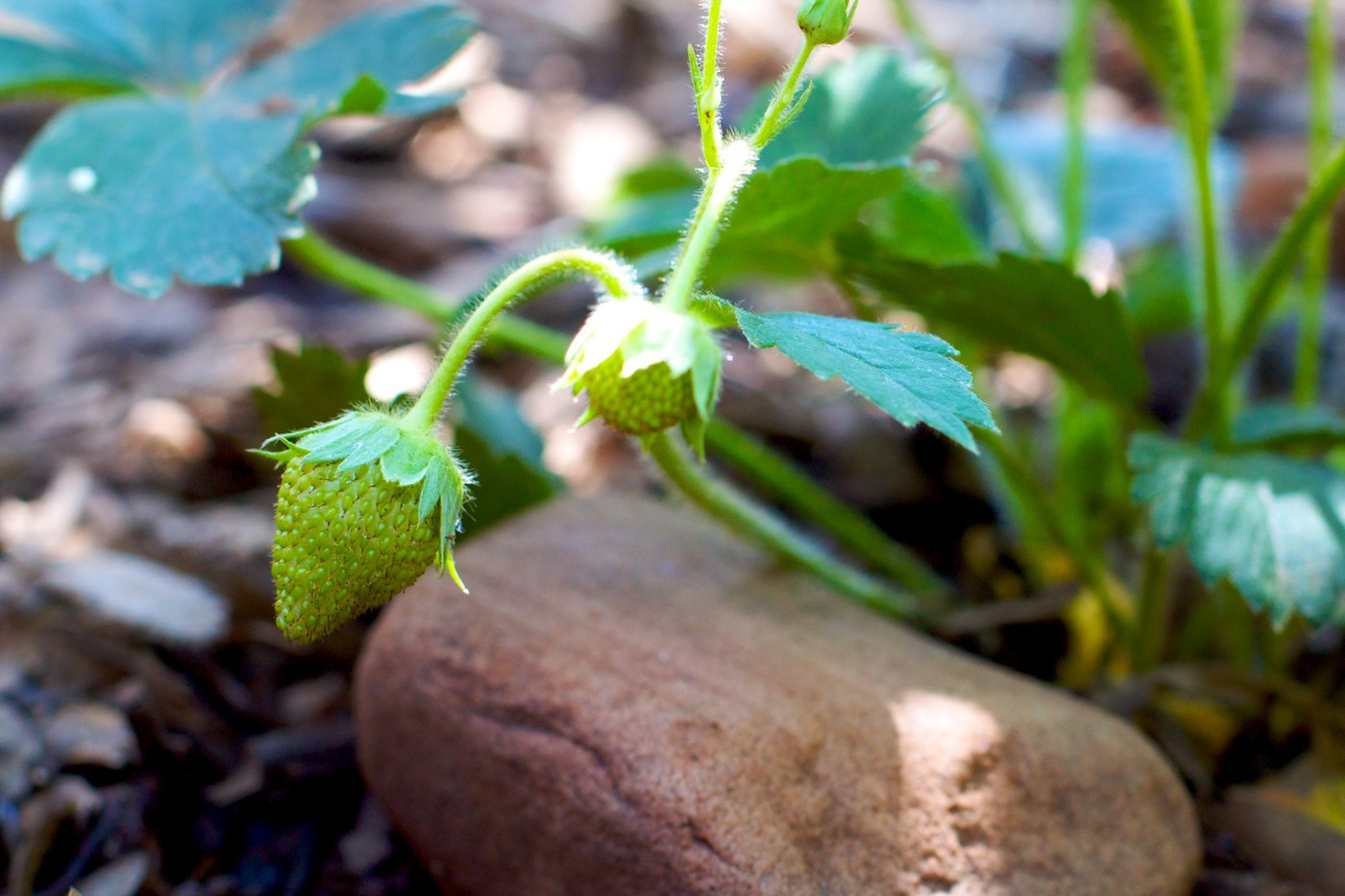
The garden strawberry (Fragaria x ananassa) is a low, spreading perennial prized for its glossy trifoliate leaves, cheerful white flowers, and vigorous runners. It is an easy, rewarding plant that thrives in beds, borders, and containers alike.
Light
Strawberries need full sun for the strongest growth and heaviest flowering. Aim for at least 6 to 8 hours of direct light daily. In very hot climates, a little dappled afternoon shade helps prevent leaf scorch and keeps the crown from overheating, but too much shade produces leggy, sparse plants.
Water
Keep the soil evenly moist but never waterlogged. Strawberries have shallow roots that dry out quickly, so water regularly, especially during flowering and in warm weather. Aim for about 1 to 1.5 inches of water per week. Water at the base of the plant rather than overhead to keep the crown and foliage dry and reduce disease.
Soil & Potting
Use a rich, well-draining loam with plenty of organic matter. A slightly acidic pH around 5.5 to 6.5 is ideal. In containers, choose a quality potting mix and pots at least 8 inches deep with good drainage holes. Raised beds work well because they improve drainage and keep the crown from sitting in wet soil. Set plants so the crown sits right at the soil surface, never buried.
Humidity & Temperature
Strawberries are cool-to-warm season plants that grow best between 60 and 80 degrees Fahrenheit. They tolerate moderate humidity but prefer good air circulation to keep foliage dry. Many types are cold-hardy and go dormant in winter; a light mulch protects the crowns through freezing weather.
Feeding
Feed with a balanced fertilizer at planting and again after the first flush of flowers. A slow-release granular feed or periodic liquid feeding through the growing season keeps foliage vigorous. Avoid excess nitrogen, which pushes leafy growth and runners at the expense of flowers.
Propagation
Strawberries propagate easily from runners (stolons). Let a runner's plantlet touch the soil, pin it down, and it will root within a few weeks; then sever it from the parent. You can also divide older crowns. Replacing worn plants every two to three years keeps a planting productive and healthy.
Repotting / Pruning
Refresh container plants each year with fresh mix. Trim off dead, yellowing, or diseased leaves to improve airflow, and remove excess runners if you want the parent plant to stay compact and vigorous rather than spreading. After the season, cut back tired foliage to encourage fresh growth.
Common Problems & Pests
Watch for slugs, aphids, spider mites, and birds. Gray mold (botrytis) and powdery mildew appear in damp, crowded conditions, so space plants and keep foliage dry. Yellowing leaves often signal overwatering or nutrient deficiency. Straw or plastic mulch keeps foliage off wet soil and reduces rot.
Seasonal Care Tips
Plant in early spring or fall. Mulch in late autumn to protect crowns over winter. In spring, remove old mulch, feed, and tidy dead foliage. Through summer, keep soil evenly moist and manage runners to suit your goals.
Frequently asked questions
Why are my strawberry leaves turning yellow?
Yellowing usually points to overwatering, poor drainage, or a nutrient shortfall. Let the top of the soil dry slightly between waterings, ensure good drainage, and apply a balanced feed if growth is pale.
Should I remove strawberry runners?
It depends on your goal. Remove runners to keep the parent plant compact and vigorous, or let a few root to propagate new plants. Too many unmanaged runners crowd the bed and weaken the parent.
Can I grow strawberries in containers?
Yes. Use a pot at least 8 inches deep with drainage holes and a rich potting mix. Containers and hanging baskets suit strawberries well because they improve drainage and airflow.
How much sun do strawberries need?
Full sun, ideally 6 to 8 hours daily, gives the best foliage and flowering. In hot climates, a little afternoon shade helps prevent scorch.
Strawberry identified by the community
Recent Strawberry specimens identified with Plant Identifier.