Strawberry
Fragaria x ananassa
The garden strawberry is a low-growing perennial in the rose family, known for its red fruit. It spreads by runners and is one of the most popular plants for home gardens and containers.
- Light
- Full sun
- Water
- Regular; keep evenly moist
- Difficulty
- Easy
Got a plant like this?
Identify any plant from a photo, free.
Overview
The garden strawberry (Fragaria x ananassa) is a hybrid in the Rosaceae (rose) family, created in 18th-century Europe by crossing a North American species with a Chilean one. It is grown around the world for its fruit.
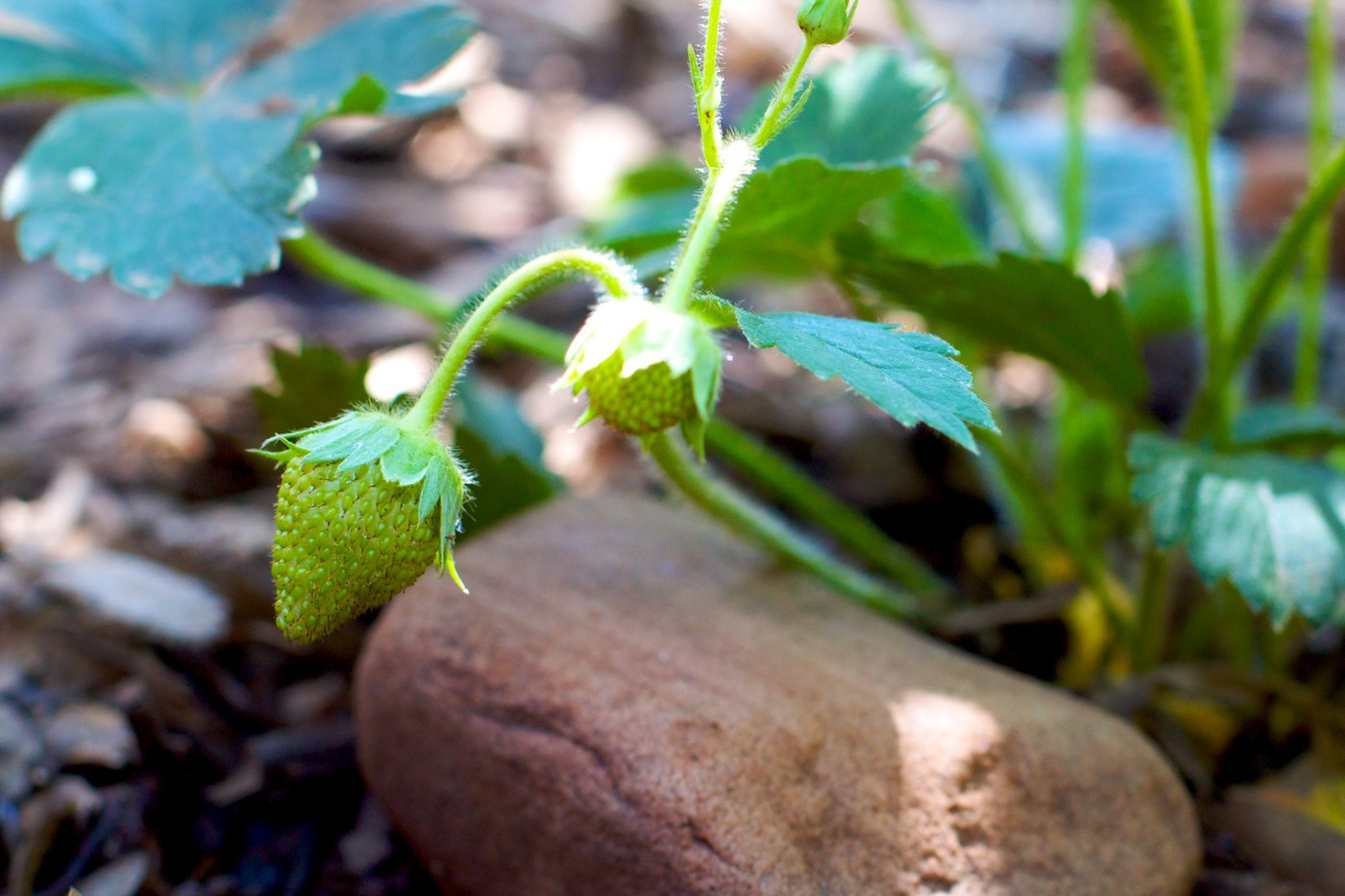
The plant is a low, spreading perennial that forms a crown of leaves and sends out horizontal stems called runners that root and form new plants. Botanically the red "berry" is an accessory fruit; the true fruits are the tiny seed-like achenes on its surface.
Varieties are grouped as June-bearing (one large summer crop), everbearing, and day-neutral (fruit through the season).
How to identify it
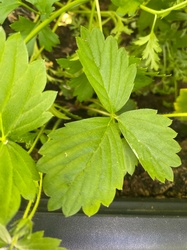
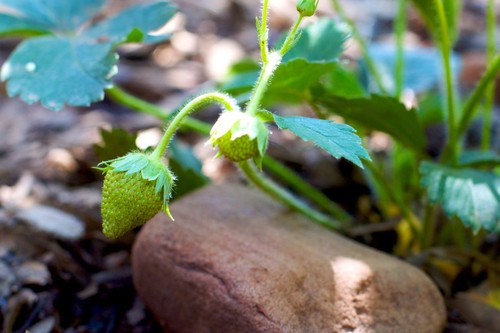
Strawberry is a small, ground-hugging plant easily known by its three-part leaves and red fruit.
- Leaves: Trifoliate (three toothed leaflets), bright green, on hairy stalks from a central crown
- Flowers: Five white (sometimes pink) petals with a yellow center
- Fruit: Heart-shaped to round, red, fleshy, dotted with tiny seeds (achenes) on the outside
- Runners: Long horizontal stems (stolons) that take root and form daughter plants
- Size: Low rosette 6 to 12 inches tall and wide
Care & growing
Strawberries are rewarding and easy in the right spot.
- Light: Full sun for the most abundant fruit
- Water: Keep soil evenly moist, especially during flowering and fruiting; avoid wetting the crown
- Soil: Rich, well-draining, slightly acidic soil; pH 5.5 to 6.8
- Temperature: Cool to warm; most are hardy and need winter chill, with mulch protecting crowns in cold areas
- Feeding: Light balanced feeding after fruiting; avoid excess nitrogen which favors leaves over fruit
- Propagation: Easiest from runners; peg the rooting plantlets into soil, then separate them. Renew beds every few years as plants decline.
Habitat & origin
The cultivated strawberry is a hybrid, but its parent species are native to the Americas: Fragaria virginiana of North America and Fragaria chiloensis of Chile. Wild strawberries grow across temperate woodlands and meadows of the Northern Hemisphere.
Garden strawberries are now cultivated worldwide in temperate climates, in field rows, raised beds, hanging baskets, and commercial polytunnels.
Frequently asked questions
Should I remove strawberry runners?
It depends on your goal. Removing runners channels energy into fruit on the parent plant; leaving a few lets you propagate new plants to expand or renew the bed.
Why are my strawberries small or misshapen?
Poor pollination, dry conditions, or aging plants cause small, lumpy berries. Encourage pollinators, water consistently, and replace plants every three to four years.
How long does a strawberry plant produce?
Plants are most productive for two to three years, then decline. Maintain a bed by rooting new runner plants to replace old ones.
Can I grow strawberries in containers?
Yes. They thrive in pots, hanging baskets, and strawberry towers, which also keep fruit off the soil and away from slugs.
Strawberry guides
In-depth guides for identifying, growing, and caring for Strawberry.
How to Care for Strawberry
Grow lush, spreading strawberry plants with full sun, evenly moist soil, and simple runner propagation for an easy ornamental groundcover.
Strawberry Identification Guide
Identify the strawberry plant (Fragaria) by its low rosette, three-part toothed leaves, white five-petaled flowers, runners, and seed-studded red fruit.
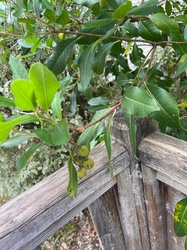
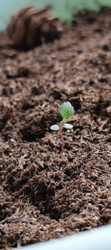
Strawberry identified by the community
Real specimens identified with Plant Identifier.