How to Care for Weeping Fig
Care guide for Ficus benjamina, a graceful indoor tree with arching branches and glossy foliage that rewards steady conditions.
Read the full Weeping Fig encyclopedia entry →
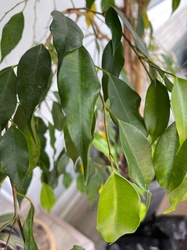
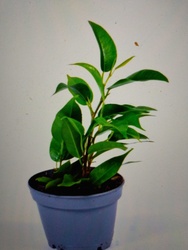
The Weeping Fig (Ficus benjamina) is a classic indoor tree valued for its slender arching branches and cascade of small, glossy, pointed leaves. It is a moderately demanding plant whose one great quirk is a strong dislike of change — keep its conditions steady and it thrives for years.
Light
Give Weeping Fig bright indirect light, ideally near an east or west window or a few feet back from a bright south-facing one. It can take some gentle direct morning sun but harsh midday rays can scorch the foliage. Insufficient light leads to sparse, leggy growth and heavy leaf drop, so aim for a consistently bright spot and avoid moving it around.
Water
Water when the top inch of soil dries out, then water thoroughly until it drains from the bottom. This plant is sensitive to both extremes: soggy roots cause yellowing and drop, while prolonged dryness triggers sudden leaf loss. Let the top layer dry between waterings and cut back in winter when growth slows.
Soil & Potting
Use a well-draining, peat- or coir-based potting mix with added perlite or bark for aeration. A pot with generous drainage holes is essential. Ficus prefers to be somewhat snug in its container, so avoid overpotting into a much larger pot than the root ball requires.
Humidity & Temperature
Weeping Fig enjoys moderate to high humidity and average-to-warm indoor temperatures, ideally in the 65-75F range. Keep it well away from cold drafts, heating vents, and air-conditioning blasts — sudden temperature swings are a leading cause of leaf drop. Boost humidity with a pebble tray or nearby humidifier in dry rooms.
Feeding
Feed with a balanced liquid fertilizer diluted to half strength every 3-4 weeks during spring and summer. Reduce or stop feeding in fall and winter when growth naturally slows. Over-fertilizing can cause salt buildup, so flush the soil occasionally with plain water.
Propagation
Propagate from stem tip cuttings taken in spring or early summer. Cut a 4-6 inch healthy tip, let the cut milky sap dry briefly, then root it in moist soil or water. Warmth and humidity speed rooting; a covered propagation tray helps maintain the moisture cuttings need.
Repotting / Pruning
Repot every two to three years in spring, moving up just one pot size. Ficus benjamina tolerates pruning well and is often shaped or braided; trim in spring to control size and encourage bushier growth. The plant exudes milky sap when cut, so make clean cuts and let them seal.
Common Problems & Pests
The signature issue is dramatic leaf drop, almost always a stress response to being moved, drafts, temperature change, over- or under-watering, or a light shift. It usually recovers once conditions stabilize. Watch for scale, mealybugs, and spider mites, especially in dry indoor air — wipe leaves and treat early with insecticidal soap.
Seasonal Care Tips
In spring and summer the plant grows actively — feed, prune, and repot during this window. In fall and winter, expect slower growth, water less, and pay extra attention to keeping the plant away from cold windows and heaters. Some seasonal leaf drop as light levels change is normal, not a crisis.
Frequently asked questions
Why is my Weeping Fig dropping so many leaves?
Leaf drop is this plant's classic stress signal, usually from being moved, a change in light, cold drafts, or inconsistent watering. Return it to stable, bright, draft-free conditions and it typically regrows within a few weeks.
Can I move my Ficus benjamina to a new spot?
It strongly prefers to stay put. If you must relocate it, do so gradually and expect some leaf drop as it adjusts. Once settled in a good bright indirect spot, leave it there.
How often should I water it?
Water when the top inch of soil feels dry, soaking thoroughly and letting excess drain away. Avoid both soggy soil and complete dryout, and reduce watering in winter when growth slows.
How do I keep it bushy instead of leggy?
Provide plenty of bright indirect light and prune the tips in spring to encourage branching. Legginess and thin growth usually mean it needs more light.
Weeping Fig identified by the community
Recent Weeping Fig specimens identified with Plant Identifier.