Weeping Fig
Ficus benjamina
A popular indoor tree with a graceful, weeping canopy of small glossy leaves. It is attractive but notorious for dropping leaves when stressed or moved.
- Light
- Bright indirect light
- Water
- When top inch dries
- Difficulty
- Moderate
Got a plant like this?
Identify any plant from a photo, free.
Overview
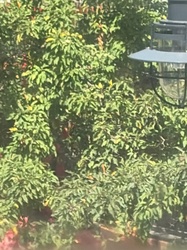
The Weeping Fig is one of the most widely grown indoor trees, valued for its slender, arching branches and dense canopy of small, glossy, pointed leaves. Trunks are often braided or trained into standards for a polished, tree-like form.
It is beautiful but sensitive: sudden changes in light, temperature, or location commonly trigger dramatic leaf drop. Once settled into a stable spot with consistent care, however, it is a long-lived and elegant focal-point plant.
How to identify it
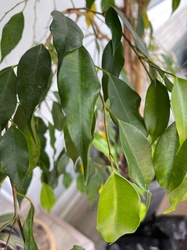
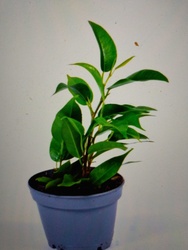
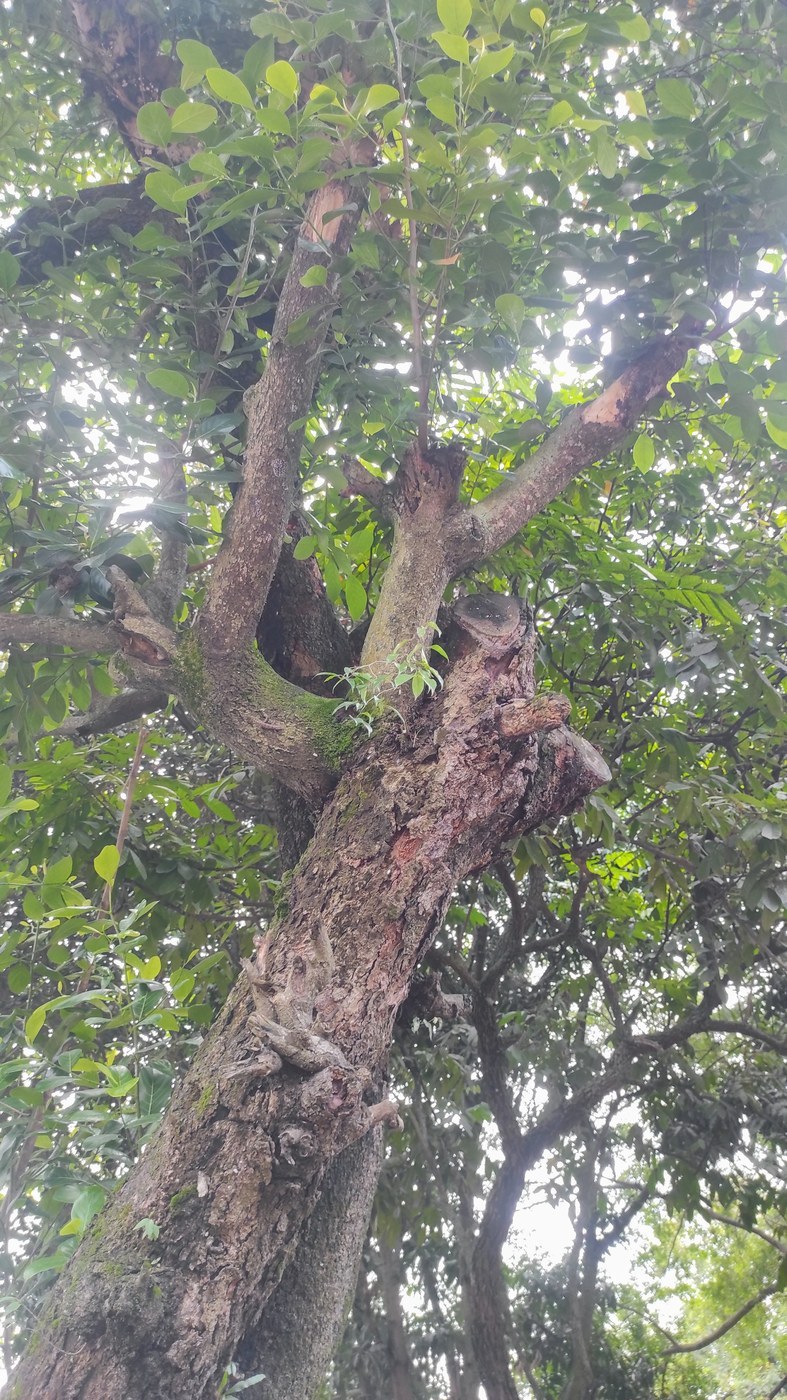
Identify it by a small tree form with drooping branches and abundant small, glossy, pointed leaves.
- Leaves: small, ovate, glossy, with a pointed tip (drip tip); 5 to 12 cm long
- Branches: slender, arching, giving a weeping silhouette
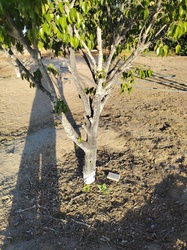
- Trunk: smooth, light gray; often braided or grown as a standard
- Size: 1 to 2 m indoors; a large tree in the wild
- Sap: milky white latex when cut
Care & growing
Provide bright indirect light and, above all, consistency; avoid moving it, which triggers leaf drop.
- Water: when the top inch of soil dries; keep evenly moist in the growing season but never soggy
- Soil: well-draining potting mix
- Temperature: 18 to 24 C; avoid cold drafts, heat vents and sudden swings
- Humidity: moderate to high
- Feeding: balanced fertilizer monthly in spring and summer
- Propagation: from stem cuttings
Habitat & origin
Native to South and Southeast Asia and northern Australia, where Ficus benjamina grows into a large tree, often beginning life as an epiphyte and developing aerial roots. It is widely planted as a street and shade tree in the tropics and is one of the most popular indoor trees worldwide.
Frequently asked questions
Why is my weeping fig dropping so many leaves?
Leaf drop is its classic stress response to changes in light, temperature, watering, or being moved. Keep conditions stable and it usually recovers.
Where should I place it?
In a bright spot with indirect light, away from drafts and heat sources, and then leave it there, since it dislikes being moved.
How much should I water it?
Water when the top inch of soil dries. Keep it evenly moist in summer but avoid waterlogged roots.
Weeping Fig guides
In-depth guides for identifying, growing, and caring for Weeping Fig.
How to Care for Weeping Fig
Care guide for Ficus benjamina, a graceful indoor tree with arching branches and glossy foliage that rewards steady conditions.
Weeping Fig Identification Guide
Identify the Weeping Fig (Ficus benjamina) by its glossy, pointed drooping leaves, slender weeping branches, and pale gray trunk often braided in cultivation.
Weeping Fig identified by the community
Real specimens identified with Plant Identifier.