Weeping Fig Identification Guide
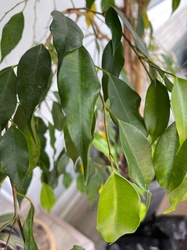
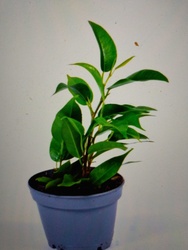
Identify the Weeping Fig (Ficus benjamina) by its glossy, pointed drooping leaves, slender weeping branches, and pale gray trunk often braided in cultivation.
Read the full Weeping Fig encyclopedia entry →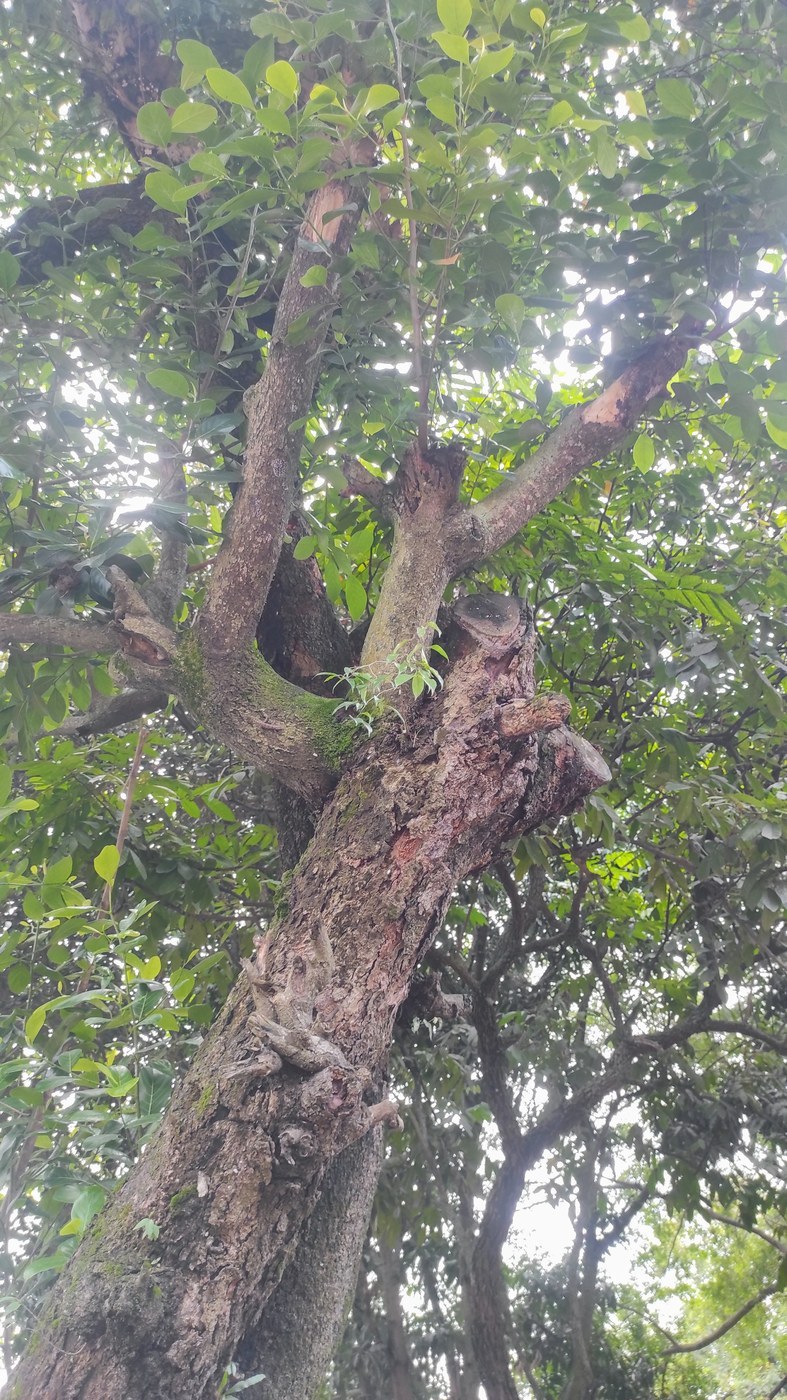
Key Identifying Features
The Weeping Fig (Ficus benjamina) is a popular indoor tree recognized by its graceful weeping branches clothed in small, glossy, pointed leaves. It forms a dense, rounded canopy and a smooth gray trunk, often sold with braided or twisted multiple trunks.
- Small, glossy, elliptic leaves with a drawn-out pointed tip (drip tip)
- Slender, arching, drooping branches (the "weeping" habit)
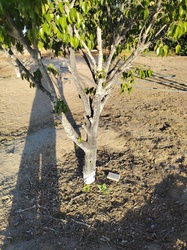
- Smooth, pale gray bark; trunk frequently braided
- Dense, bushy, tree-like form
Leaves & Stems
Leaves are 5–12 cm long, alternate, leathery, and shiny, with smooth (untoothed) wavy margins and a distinctive slender pointed tip that helps shed rainwater. New leaves are a lighter green. Branches are thin and flexible, drooping under the weight of foliage. Like all figs, broken stems or leaves ooze a milky white latex sap — a key family identifier. Variegated cultivars ('Starlight,' 'Twilight') have cream-and-green leaves. The trunk is smooth and gray; nursery plants are commonly braided from several young stems.
Flowers & Fruit
Ficus species bear flowers hidden inside the fruit-like structure called a fig (syconium). On Weeping Figs these are small, round, paired figs that ripen from green to orange-red. Indoor plants rarely fruit because they require a specific fig-wasp pollinator, so do not expect figs on houseplants.
How to Tell It Apart from Look-Alikes
- Fiddle-Leaf Fig (Ficus lyrata): much larger, violin-shaped leaves and stiff upright branches — no weeping habit.
- Rubber Plant (Ficus elastica): large, thick, broad oval leaves; not the small drooping leaves of benjamina.
- Ficus microcarpa (Ginseng Ficus): similar small leaves but blunter tips and a swollen aerial-root trunk.
- The combination of small glossy pointed leaves on slender weeping branches plus milky sap confirms Ficus benjamina.
Where You'll Find It
Native to South and Southeast Asia and northern Australia, where it grows into a large tree. Indoors it is a top decorative tree for homes, malls, and offices. It is famous for dropping leaves when stressed by moving, drafts, or changes in light or watering — sudden leaf drop after relocation is itself a clue you have a Weeping Fig.
Quick ID Checklist
- Small glossy leaves with a slender pointed drip tip
- Thin, arching, weeping branches
- Smooth gray trunk, often braided
- Milky white sap when stems break
- Drops leaves readily when stressed
Frequently asked questions
Why does my Weeping Fig keep dropping leaves?
Ficus benjamina is notoriously sensitive to change. Moving it, drafts, temperature swings, or altered light and watering can trigger sudden leaf drop. Keeping conditions stable usually stops it.
How do I tell a Weeping Fig from a Fiddle-Leaf Fig?
The Weeping Fig has small glossy pointed leaves on slender drooping branches, while the Fiddle-Leaf Fig has very large violin-shaped leaves on stiff upright stems.
What is the white sap that leaks when I prune it?
That is milky latex, characteristic of all Ficus species and a reliable family identifier. It appears whenever a stem or leaf is broken and can stain surfaces, so wipe pruning cuts clean.
Why is the trunk braided?
Growers braid several young, flexible Weeping Fig stems together; as they thicken, the braid becomes a permanent decorative trunk. It is a cultivation technique, not a natural growth form.
Weeping Fig identified by the community
Recent Weeping Fig specimens identified with Plant Identifier.