Boxelder Identification Guide
Identify boxelder by its unusual compound maple leaves, green twigs, and clustered paired samaras. Covers leaves, twigs, seeds, look-alikes, and habitat.
Read the full Boxelder encyclopedia entry →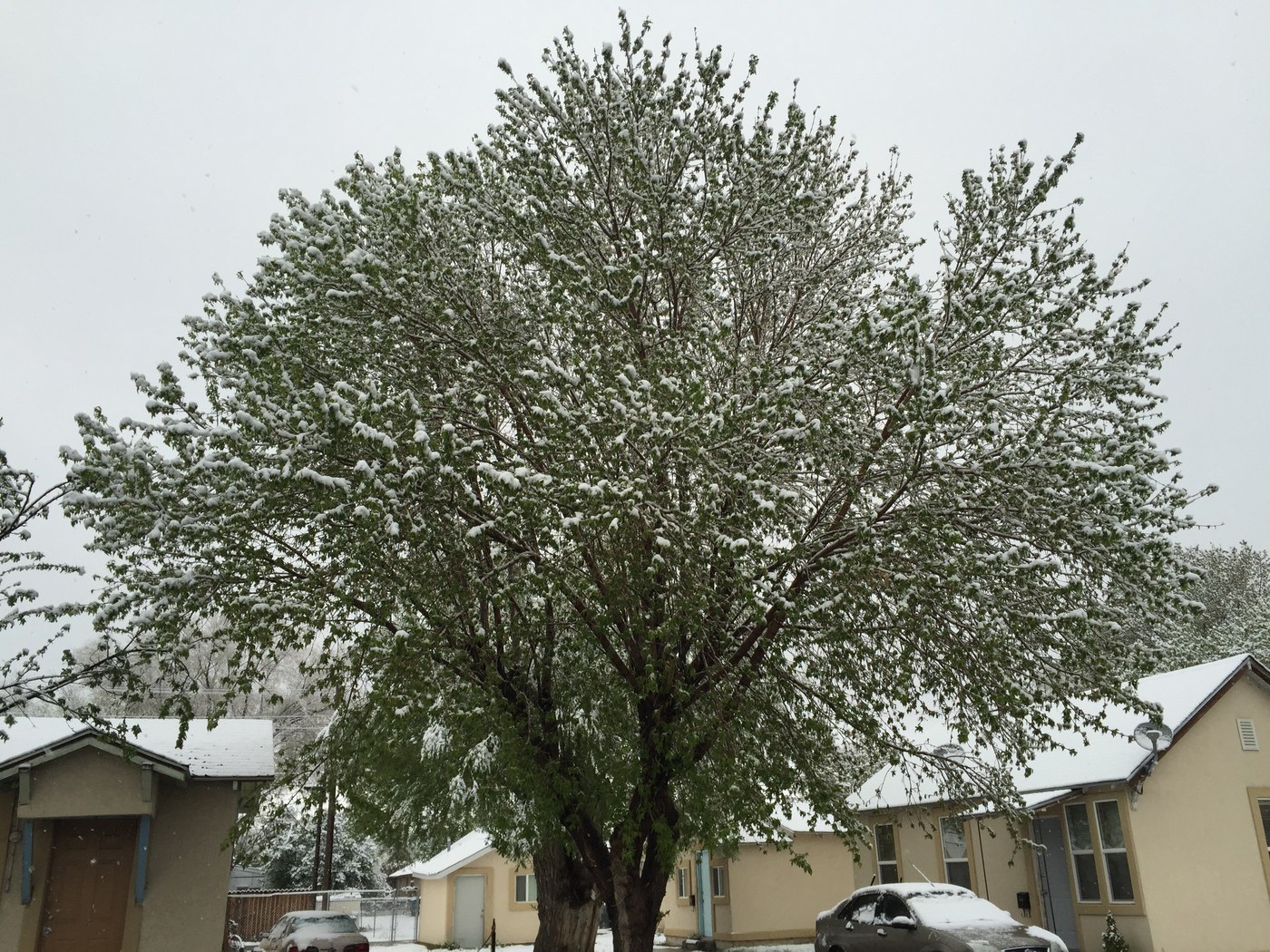
Key Identifying Features
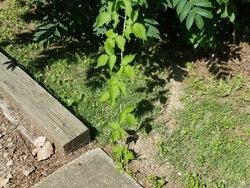
Boxelder (Acer negundo), also called ash-leaved maple, is the only North American maple with compound leaves, which makes it a frequent puzzle. Recognize it by its opposite, pinnately compound leaves with 3-7 leaflets, smooth green (often whitish-waxy) twigs, and clustered, V-shaped paired samaras. It is a fast-growing, often scruffy tree, 30-50 feet tall, common in disturbed and wet ground.
Leaves & Stems
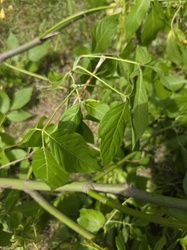
- Leaves are opposite and pinnately compound, usually with 3 to 5 leaflets (occasionally 7) — unlike all other maples, which have simple lobed leaves.
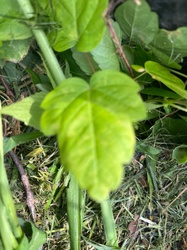
- Leaflets are coarsely toothed and irregularly lobed, especially the terminal one, often resembling a poison ivy leaflet; they are light green and 2-4 inches long.
- The compound, opposite arrangement is the key clue.
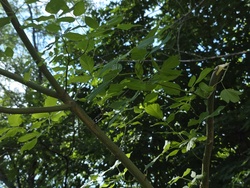
- Twigs are smooth, green to purplish, often coated with a whitish, waxy bloom that rubs off — a strong winter identifier.
- Buds are white-hairy, opposite, pressed against the twig.
Flowers & Fruit
- Boxelder is dioecious; in spring, before or with the leaves, it bears drooping greenish flower clusters (male trees with reddish hanging stamens, female with hanging green strands).
- Fruits are typical maple paired samaras ('helicopters') with wings forming a narrow V to slight horseshoe, hanging in dense clusters and persisting into winter.
How to Tell It Apart from Look-Alikes
- Ashes (Fraxinus) also have opposite compound leaves but more leaflets (5-11), uniformly toothed, with single-winged seeds and stout corky leaf scars; ash twigs are gray-brown, not green and waxy.
- Poison ivy has alternate, 3-leaflet leaves on a vine or low plant, not opposite compound leaves on a tree.
- Other maples all have simple, lobed (not compound) leaves.
Where You'll Find It
Boxelder is a tough pioneer of floodplains, stream banks, ditches, vacant lots, and disturbed urban ground across most of North America. It tolerates flooding, drought, and poor soil, often forming weedy thickets. It is also notorious for hosting boxelder bugs. Look for a fast-growing, weak-wooded tree with green twigs near water or in waste places.
Quick ID Checklist
- Opposite, pinnately compound leaves with 3-5 (-7) leaflets
- Coarsely toothed, often lobed leaflets (terminal one mitten-like)
- Smooth green twigs with a whitish waxy bloom
- Clustered paired samaras persisting into winter
- Disturbed, wet, or weedy sites
A maple with compound, opposite leaves and waxy green twigs is boxelder, the only compound-leaved maple.
Frequently asked questions
Why does boxelder look like a maple but have compound leaves?
Boxelder is a true maple in the genus Acer but is the only North American maple with pinnately compound leaves; its winged paired samaras confirm it is a maple.
How do I tell boxelder from an ash tree?
Both have opposite compound leaves, but boxelder usually has only 3-5 coarsely toothed, lobed leaflets and green waxy twigs with paired helicopter seeds, while ash has 5-11 leaflets, gray twigs, and single-winged seeds.
Can boxelder be confused with poison ivy?
The leaflets can look similar, but boxelder is a tree with opposite, 3-7-leaflet leaves, while poison ivy is a vine or low plant with alternate, strictly 3-leaflet leaves.
Why are boxelder bugs associated with this tree?
Boxelder bugs feed and breed primarily on boxelder seeds and foliage, especially on female trees, and often gather in large numbers, sometimes entering nearby homes in fall.
Boxelder identified by the community
Recent Boxelder specimens identified with Plant Identifier.