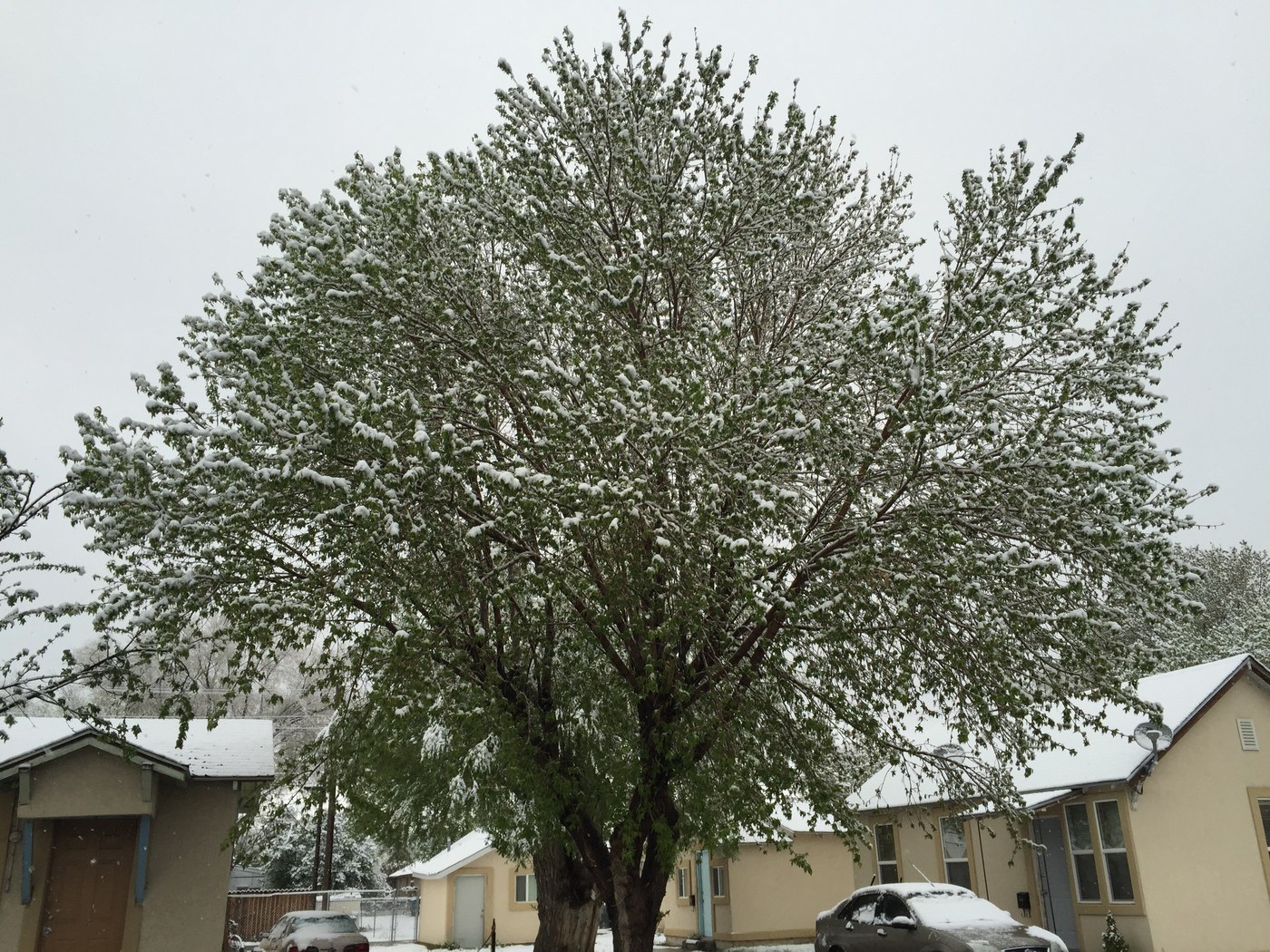
Boxelder
Acer negundo
A fast-growing, weedy native maple unusual for its compound leaves and paired winged seeds, tough and adaptable but often considered a nuisance tree.
- Light
- Full sun to part shade
- Water
- Adaptable; tolerates wet and dry
- Difficulty
- Easy
Got a plant like this?
Identify any plant from a photo, free.
Overview
Boxelder is North America's most widespread maple and the only one with compound (ash-like) leaves, which makes it look quite un-maple-like until you spot its paired winged samaras. It is a fast-growing, short-lived pioneer of floodplains, fencerows, and disturbed ground.
Valued for its toughness, cold-hardiness, and ability to grow almost anywhere, it is nonetheless often regarded as a weedy or 'trash' tree because of weak wood, irregular form, prolific seeding, and its association with the boxelder bug. It is the only maple to grow naturally across much of the continent's interior.
How to identify it
Compound leaves plus maple seeds are the giveaway:
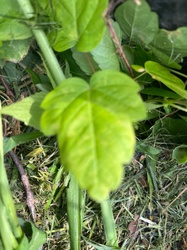
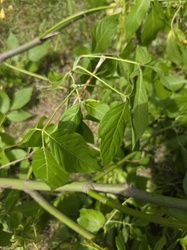
- Leaves opposite and compound, with 3-7 (usually 3-5) coarsely toothed leaflets, resembling ash or poison ivy; the only maple with compound leaves
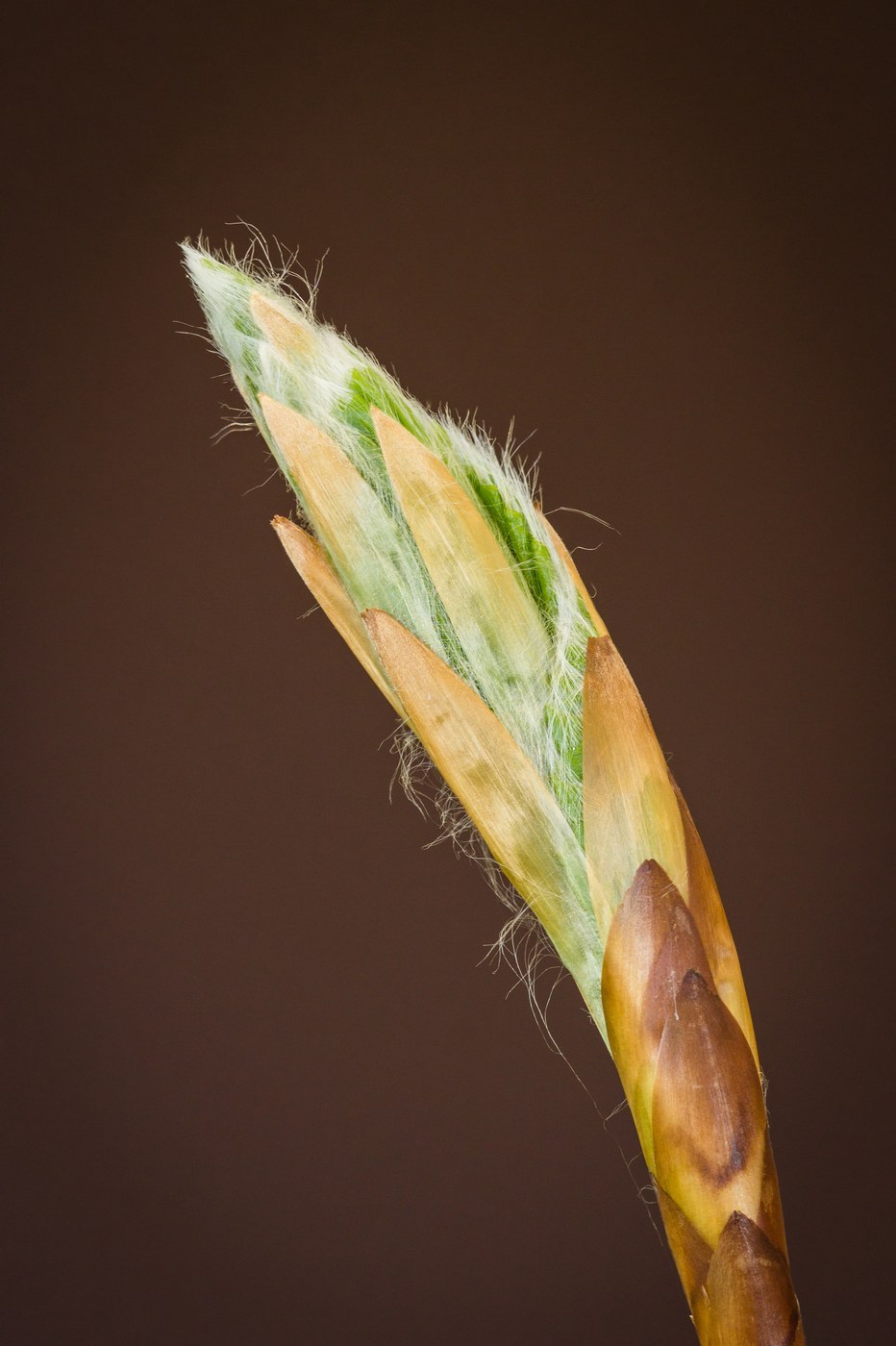
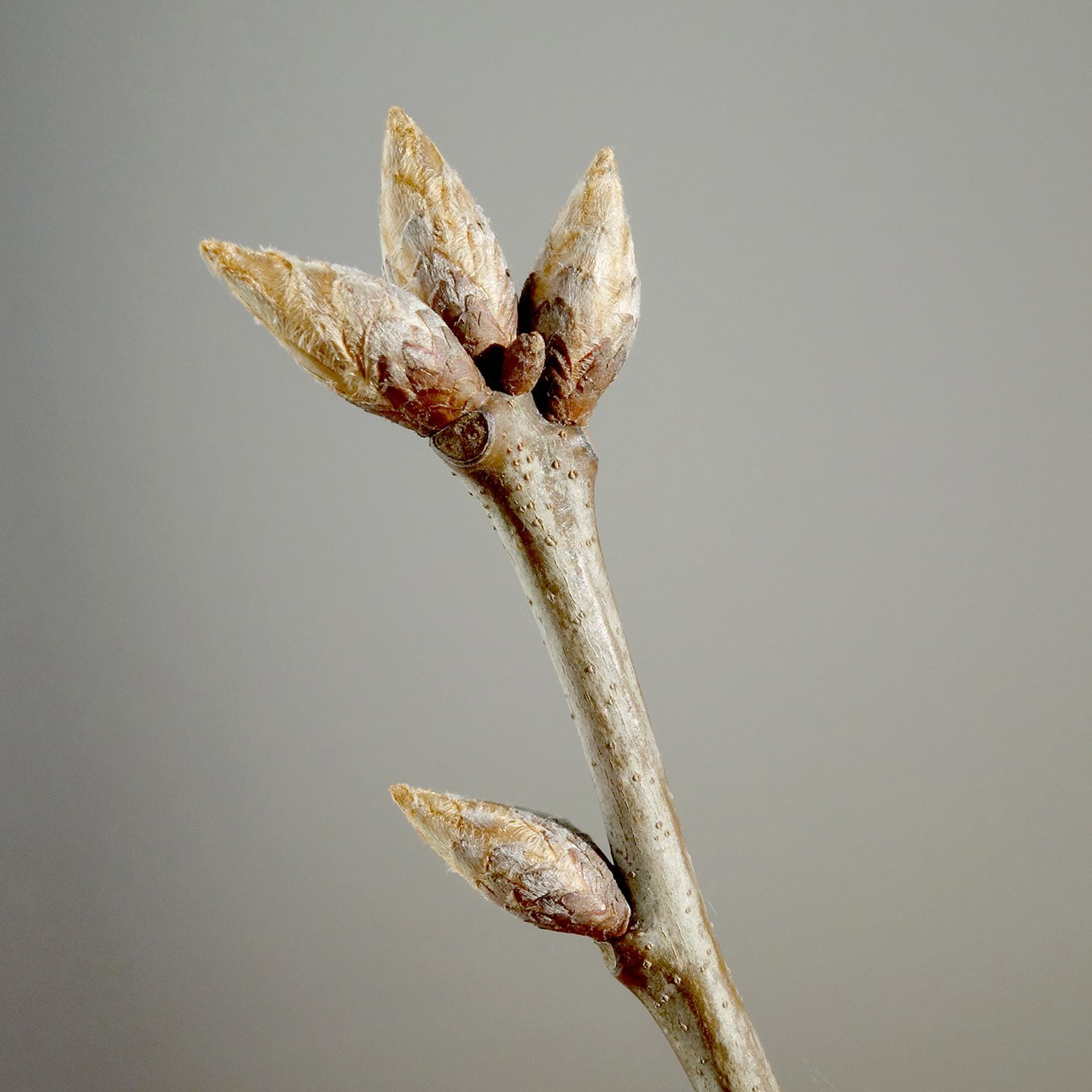
- Twigs green to purplish, often with a waxy bloom
- Fruit paired, V-shaped winged samaras typical of maples, hanging in dense clusters and persisting into winter
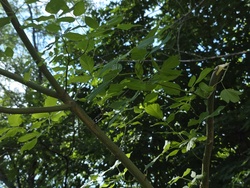
- Bark pale gray-brown, becoming furrowed with age
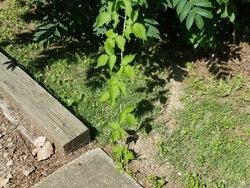
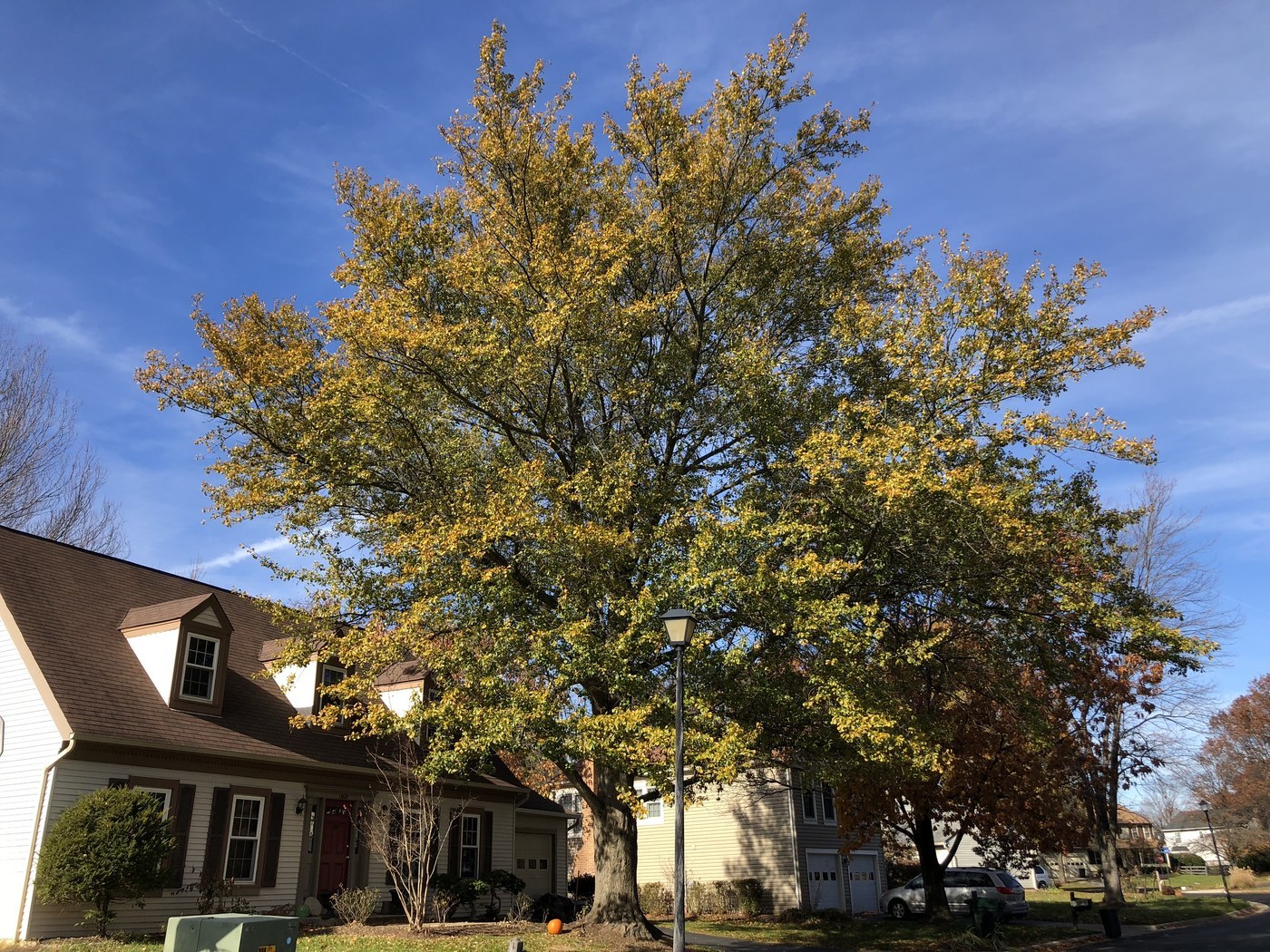
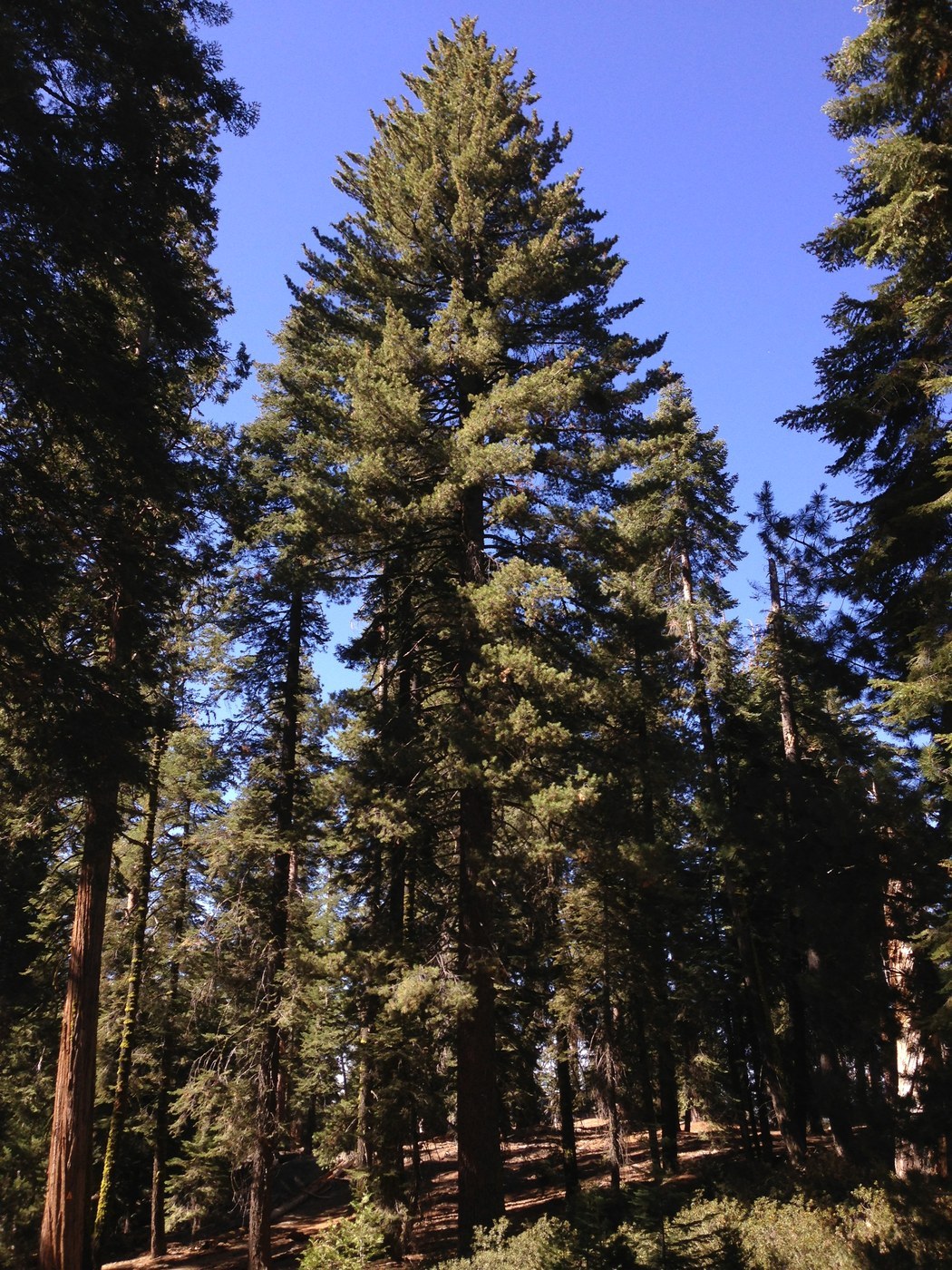
- Form fast-growing, often leaning or multi-stemmed, with an irregular crown 30-50 ft tall; dioecious
Care & growing
Practically indestructible and adaptable.
- Light: Full sun to partial shade
- Water: Tolerates both flooding and drought; common on streambanks
- Soil: Grows in nearly any soil, including poor, compacted, and disturbed ground
- Temperature: Very hardy, USDA zones 2-9
- Feeding: Not needed
- Propagation: Self-sows abundantly from seed and resprouts readily; cuttings root easily
Note: Weak wood breaks in storms and it seeds heavily — site it where these traits are acceptable.
Habitat & origin
Native across most of North America, from Canada south through the United States into Mexico and Guatemala — the most widely distributed maple on the continent. It thrives in riparian zones, floodplains, and along streams and lakes.
A classic disturbance pioneer, it colonizes vacant lots, roadsides, ditches, and abandoned fields, and has naturalized in parts of Europe, Asia, and elsewhere.
Frequently asked questions
Why doesn't it look like a maple?
It has compound leaves unlike any other maple, but its paired winged samaras reveal that it is a true Acer.
How do I tell it from poison ivy or ash?
Its leaves and buds are opposite (poison ivy is alternate and a vine), and unlike ash it produces maple-style winged seeds.
Is it a bad tree to plant?
It is tough and fast but weak-wooded, short-lived, weedy, and messy with seeds, so it is best reserved for difficult sites rather than prime landscaping.
Why are there orange-and-black bugs on it?
Those are boxelder bugs, which feed mainly on the seeds of female trees; they are harmless to the tree but can become a household nuisance.
Boxelder guides
In-depth guides for identifying, growing, and caring for Boxelder.
How to Care for Boxelder
Boxelder (Acer negundo) is a fast, tough, adaptable maple for full sun to part shade that tolerates wet, dry, and poor soils.
Boxelder Identification Guide
Identify boxelder by its unusual compound maple leaves, green twigs, and clustered paired samaras. Covers leaves, twigs, seeds, look-alikes, and habitat.
Boxelder identified by the community
Real specimens identified with Plant Identifier.