How to Care for Butterfly Bush
Grow Buddleja davidii, the butterfly bush, for arching sprays of fragrant summer flowers on a fast, sun-loving, drought-tolerant shrub.
Read the full Butterfly Bush encyclopedia entry →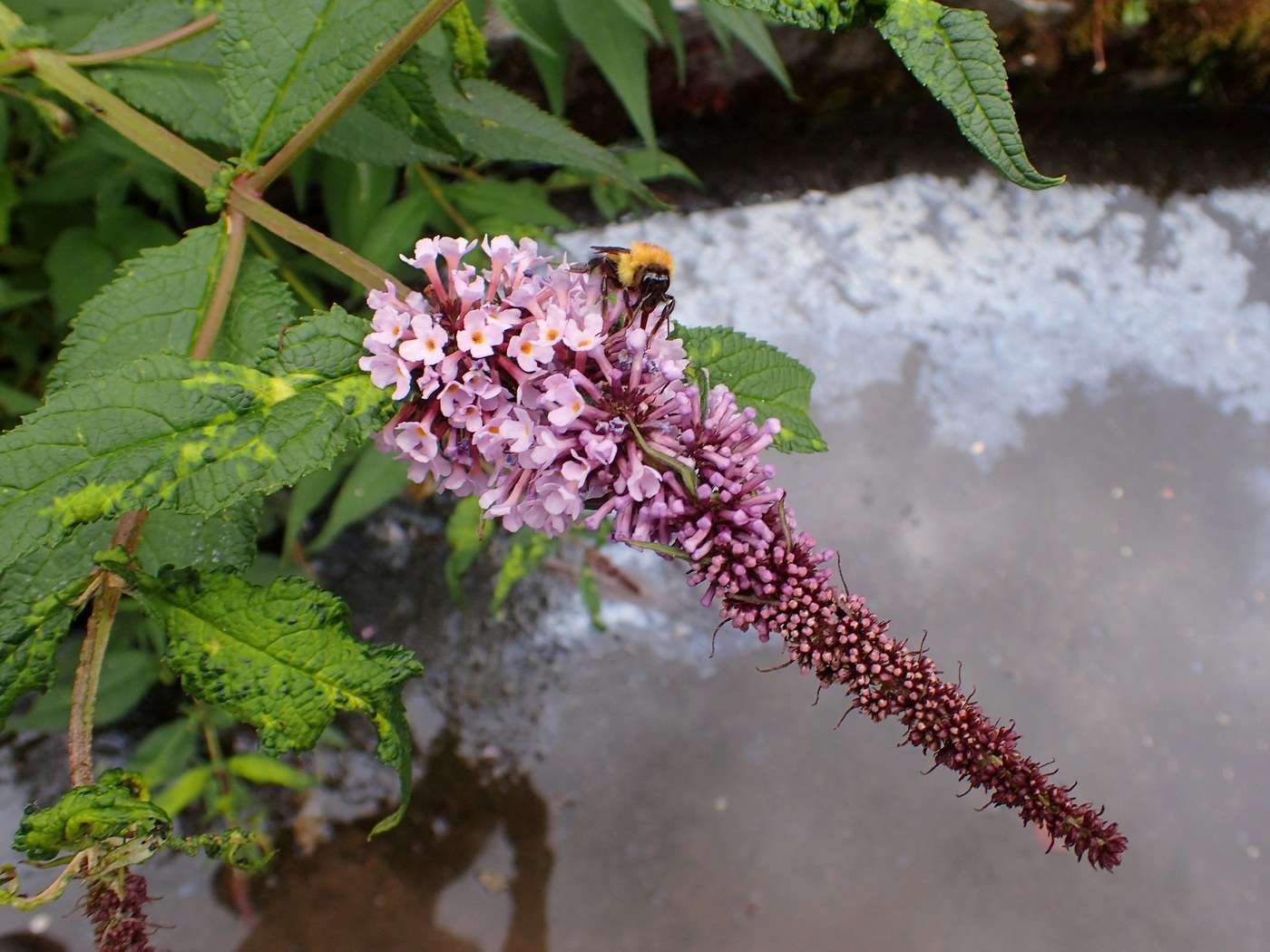
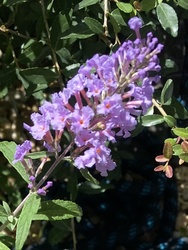
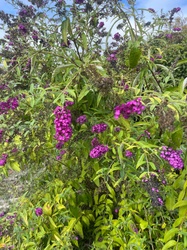
Buddleja davidii, the butterfly bush, is a fast-growing deciduous shrub famous for its long, tapering panicles of fragrant summer flowers in shades of purple, lilac, pink, and white. Vigorous and forgiving, it rewards a sunny spot with a spectacular midsummer-to-autumn display and a graceful, arching form.
Light
Butterfly bush demands full sun. Give it at least six hours of direct sunlight daily for the strongest flowering and the most compact, sturdy growth. In shade it becomes leggy, blooms sparsely, and the flower panicles are smaller and fewer. A hot, open, sunny position brings out its best performance.
Water
Water regularly during the first growing season to establish a strong root system. Once established, butterfly bush is notably drought-tolerant and needs only moderate watering, relying on deep but infrequent soakings during extended dry spells. It strongly dislikes soggy ground, so err on the dry side and let the soil dry between waterings rather than keeping it constantly wet.
Soil & Potting
This shrub is adaptable but insists on good drainage. It thrives in average to poor, well-drained soil and tolerates a range of pH and soil types, including lean and rocky ground. Heavy, waterlogged soils are its main enemy and can lead to root rot. If growing in a container, use a large pot with a free-draining mix and reliable drainage holes.
Humidity & Temperature
Butterfly bush is hardy across a wide temperature range and tolerates heat well. In colder regions it may die back to the ground in winter and regrow from the base in spring, which is normal for the plant. It shrugs off ordinary outdoor humidity and thrives in warm, sunny summers. Good air circulation helps keep the foliage healthy.
Feeding
Butterfly bush needs little feeding and often flowers best in lean soil. An excess of fertilizer, particularly nitrogen, encourages leafy growth at the expense of flowers. If growth seems weak, a single light application of balanced fertilizer in early spring is sufficient. Container plants benefit from occasional feeding during the growing season, but keep it modest.
Propagation
Propagate easily from softwood cuttings in late spring or summer, or hardwood cuttings in autumn. Take a healthy stem section, remove the lower leaves, and root it in a gritty, moist propagating mix. Cuttings root readily. The plant also self-seeds prolifically, so seedlings often appear on their own; because it can spread aggressively, deadheading spent flowers helps limit unwanted seedlings.
Repotting / Pruning
Hard pruning is the single most important task. In late winter or early spring, cut the whole shrub back hard, to roughly knee height or lower, because it flowers on new wood. This annual hard prune keeps the plant compact, vigorous, and covered in large flower spikes rather than sparse blooms on tall, woody stems. Deadhead spent panicles through summer to prolong flowering. Repot container specimens every couple of years in spring.
Common Problems & Pests
Butterfly bush is largely trouble-free. Root rot from poorly drained, waterlogged soil is the most serious risk, so drainage is paramount. Occasional pests include spider mites in hot, dry conditions and capsid bugs that distort young leaves. Powdery mildew can appear in crowded, poorly ventilated plantings. Skipping the annual hard prune leads to a leggy, woody shrub that flowers poorly. Because it self-seeds aggressively and is considered invasive in some regions, deadheading and removing seedlings is good practice.
Seasonal Care Tips
Prune hard in late winter or early spring to set up the season's growth. Water new plantings through their first summer, then let established shrubs largely fend for themselves. Deadhead through the summer bloom season to encourage more flowers and reduce self-seeding. In cold climates a mulch over the root zone protects the crown in winter, and dieback to the base is normal, with fresh shoots emerging in spring.
Frequently asked questions
How hard should I prune my butterfly bush?
Very hard. In late winter or early spring, cut the entire shrub back to about 12 to 24 inches from the ground. Because it flowers on new growth, this drastic prune produces a bushier plant with far larger and more numerous flower spikes than leaving it unpruned.
Why isn't my butterfly bush flowering well?
The usual causes are too little sun, no annual hard prune, or overly rich soil. Ensure it gets at least six hours of direct sun, cut it back hard each spring, and avoid heavy nitrogen fertilizer, which favors leaves over the flower panicles.
My butterfly bush died back to the ground over winter. Is it dead?
Probably not. In colder climates it commonly dies back to the base and regrows from the roots in spring. Wait until late spring before assuming it is gone; new shoots often emerge from the crown once the weather warms. Cutting away the dead top growth encourages this fresh growth.
How can I stop butterfly bush from spreading everywhere?
Deadhead the spent flower spikes promptly before they set seed, since the plant self-seeds prolifically and is invasive in some areas. Removing volunteer seedlings as they appear and choosing sterile or seedless cultivars where available also helps keep it in check.
Butterfly Bush identified by the community
Recent Butterfly Bush specimens identified with Plant Identifier.