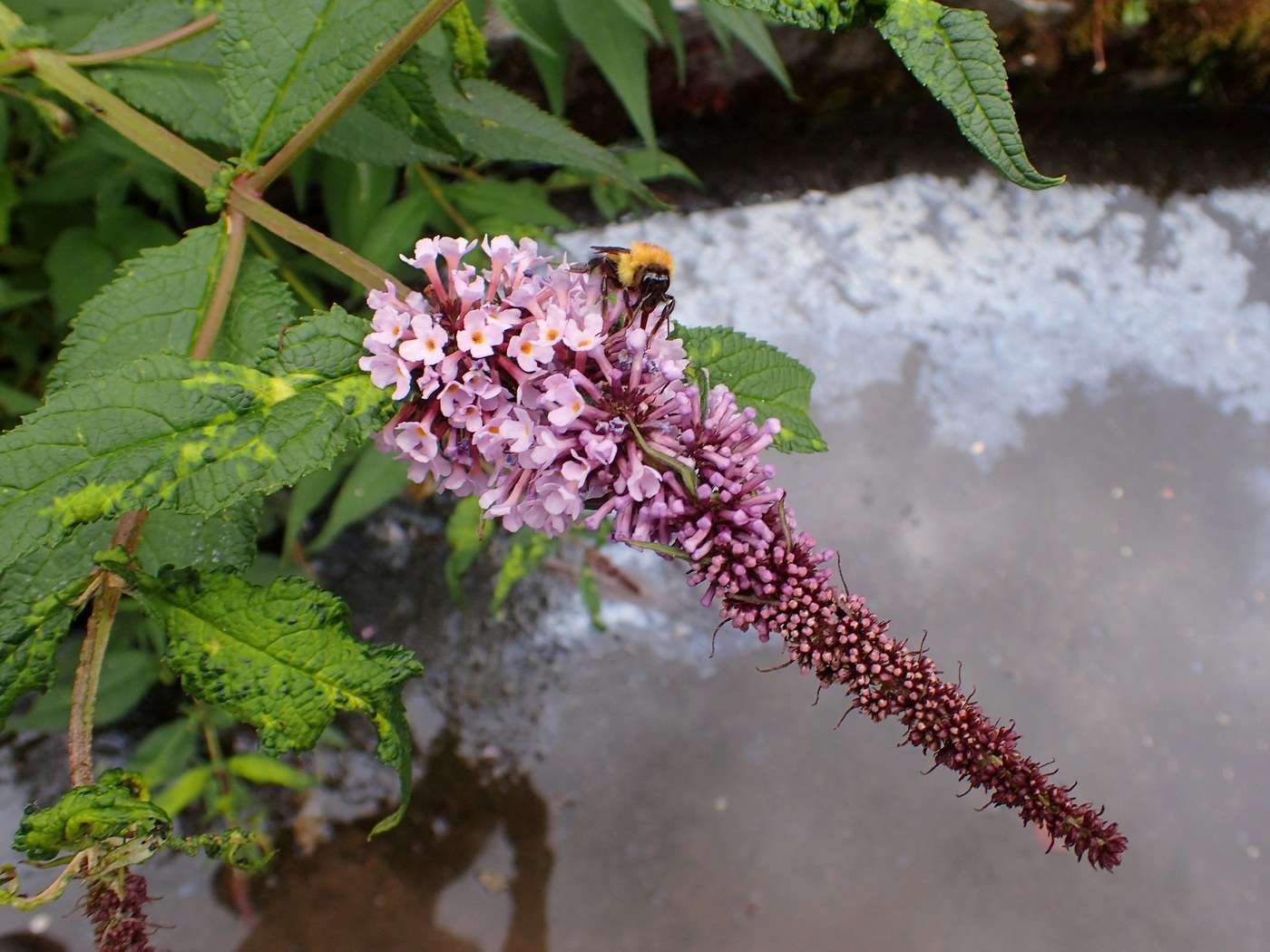
Butterfly Bush
Buddleja davidii
A fast-growing deciduous shrub bearing long, fragrant flower spikes that are magnets for butterflies and bees. Vigorous and easy, it is also invasive in some regions, so non-seeding cultivars are recommended.
- Light
- Full sun
- Water
- Moderate; drought-tolerant once established
- Difficulty
- Easy
Got a plant like this?
Identify any plant from a photo, free.
Overview
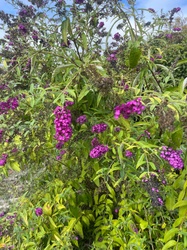
Butterfly bush is a vigorous deciduous shrub prized for its long, cone-shaped flower panicles in purple, pink, white and other shades that bloom from summer into fall and draw clouds of butterflies, bees and other pollinators.
Native to China, it grows quickly and flowers on new wood, recovering well from hard pruning. Its honey-scented blooms and arching habit make it a popular border and pollinator-garden plant.
It can self-seed aggressively and is considered invasive in parts of North America and Europe, so seedless or sterile cultivars are increasingly recommended.
How to identify it
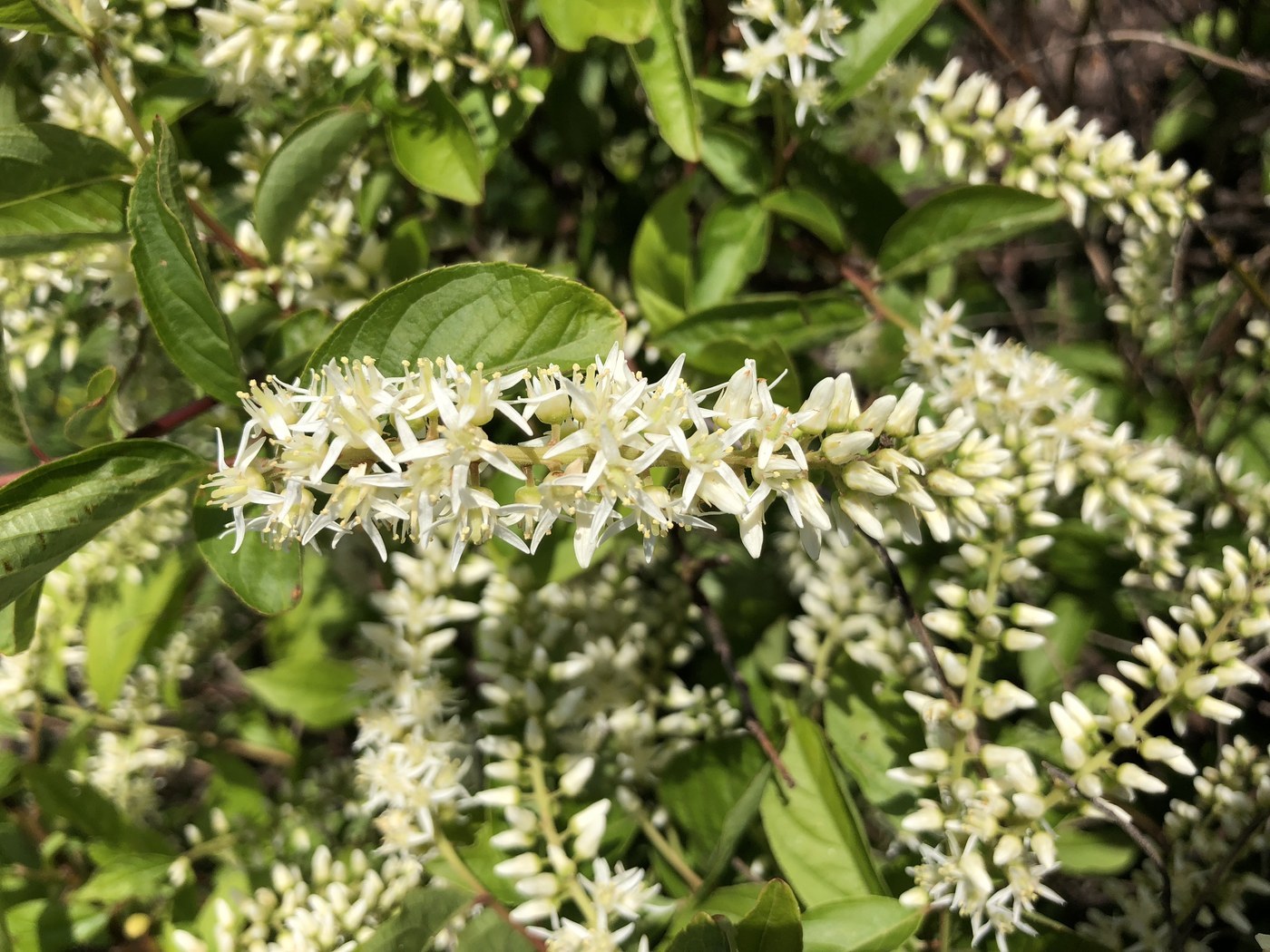
- Flowers: long, tapering panicles (4–10 in) of tiny tubular flowers, often purple with an orange eye; honey-scented
- Bloom time: summer through fall
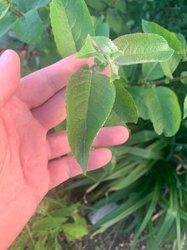
- Leaves: lance-shaped, gray-green above, paler and slightly fuzzy beneath, arranged oppositely
- Habit: arching, fast-growing, multi-stemmed
- Size: typically 6–12 ft (1.8–3.7 m) tall, sometimes more
Care & growing
Grow in full sun in well-drained soil for the best flowering.
- Water: water during establishment; drought-tolerant once mature
- Soil: tolerates poor soils as long as drainage is good
- Temperature: hardy roughly USDA zones 5–9
- Pruning: cut back hard in late winter/early spring—it blooms on new wood; deadheading prolongs bloom and limits seeding
- Feeding: minimal; avoid overfeeding
- Propagation: easily from softwood or hardwood cuttings
Choose sterile/seedless cultivars where butterfly bush is invasive, and deadhead spent spikes.
Habitat & origin
Native to central China, butterfly bush thrives in disturbed, sunny, well-drained sites and is widely grown in temperate gardens around the world.
It has escaped cultivation and become invasive in parts of North America, the UK and Europe, colonizing railway ballast, riverbanks and waste ground. Check local guidance before planting.
Frequently asked questions
Does butterfly bush really attract butterflies?
Yes—its nectar-rich, fragrant flower spikes are powerful magnets for butterflies, bees and hummingbirds throughout summer and fall.
Is butterfly bush invasive?
It can be. Buddleja davidii self-seeds aggressively and is invasive in parts of North America and Europe. Plant sterile cultivars and deadhead to limit spread.
How should I prune it?
Cut it back hard in late winter or early spring. It flowers on new wood, so hard pruning produces vigorous growth and abundant blooms.
Does it support caterpillars?
No—it feeds adult butterflies with nectar but is not a larval host plant, so combine it with native plants that caterpillars can eat.
Butterfly Bush guides
In-depth guides for identifying, growing, and caring for Butterfly Bush.
How to Care for Butterfly Bush
Grow Buddleja davidii, the butterfly bush, for arching sprays of fragrant summer flowers on a fast, sun-loving, drought-tolerant shrub.
Butterfly Bush Identification Guide
Identify Butterfly Bush (Buddleja davidii) by its arching stems, long lance-shaped opposite leaves with white-felted undersides, and fragrant cone-shaped flower spikes that draw butterflies.
Butterfly Bush identified by the community
Real specimens identified with Plant Identifier.