How to Care for Eggplant
Grow ornamental Eggplant with its purple flowers and glossy fruit in full sun and warm, consistently watered soil for a striking garden accent.
Read the full Eggplant encyclopedia entry →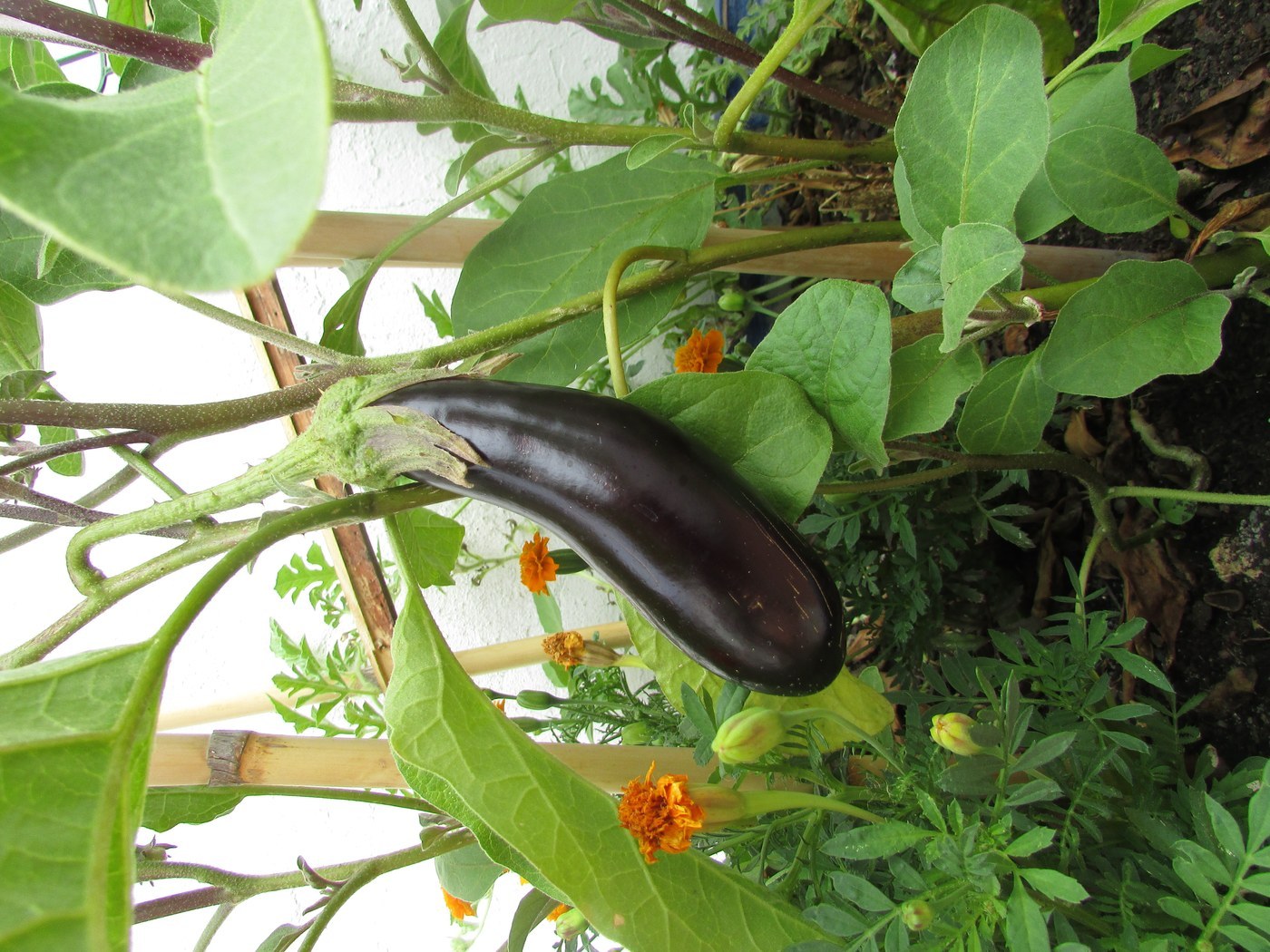
Eggplant (Solanum melongena) is a warm-season member of the nightshade family grown for its bold, fuzzy leaves, star-shaped purple flowers, and glossy, sculptural fruit that adds ornamental interest to sunny beds and containers. It is a heat-lover that rewards attentive watering and feeding with a long season of striking growth.
Light
Eggplant demands full sun, ideally six to eight or more hours of direct light each day. Ample sunlight drives strong stems, abundant flowers, and healthy fruit development. In too little light the plant grows leggy and produces few flowers, so choose the brightest, warmest spot available.
Water
Provide consistent watering, roughly an inch per week, adjusting upward during hot, dry weather. Even, steady moisture is important; fluctuations between bone-dry and soggy stress the plant and cause flowers to drop. Water at the base to keep foliage dry, and mulch around the plant to conserve moisture and even out soil temperature.
Soil & Potting
Grow eggplant in rich, well-draining soil generously amended with compost. It is a hungry plant that appreciates fertile ground and a slightly acidic to neutral pH. In containers, choose a large, deep pot with drainage holes and a high-quality potting mix, as eggplant develops a substantial root system and dislikes cramped quarters.
Humidity & Temperature
As a tropical-origin warm-season plant, eggplant loves heat and warm nights. It grows vigorously in warm, humid conditions and stalls or drops flowers when temperatures are too cool. Wait until all danger of frost has passed and the soil has warmed before planting out, and protect it from cold snaps.
Feeding
Eggplant is a heavy feeder. Work compost or a balanced fertilizer into the soil at planting, then feed regularly through the growing season with a balanced fertilizer, easing toward higher potassium as the plant begins to flower and set fruit. Consistent feeding supports its steady, productive growth.
Propagation
Eggplant is grown from seed, started indoors in warmth several weeks before the last frost because it needs a long, warm season and germinates best in warm soil. Transplant seedlings out only after the weather and soil have thoroughly warmed. Harden off young plants gradually before moving them into the garden.
Repotting / Pruning
When container-growing, pot up seedlings as they grow and give them a final large container with room for their roots. Staking or caging supports the plant as it becomes top-heavy. Light pruning to remove weak or crossing stems and to open up the plant improves airflow, and pinching early can encourage bushier growth.
Common Problems & Pests
Common pests include flea beetles, which pepper the leaves with tiny holes, along with aphids and spider mites; row covers on young plants and prompt treatment help manage them. Blossom drop often results from temperature extremes or inconsistent watering. Watch for wilting or fungal issues in poorly drained or overly wet soil, and rotate planting sites to reduce soil-borne disease.
Seasonal Care Tips
Start seeds indoors in late winter to early spring and transplant only after the soil is warm and frost has passed. Through summer, provide full sun, feed regularly, and keep moisture consistent to support vigorous growth. As the season cools in autumn, growth slows; eggplant is frost-tender and will not survive freezing temperatures, so treat it as a warm-season plant and replant each year.
Frequently asked questions
Why are my eggplant flowers dropping without setting fruit?
Blossom drop is usually caused by temperature extremes, either too cool or excessively hot, or by inconsistent watering. Keep the plant warm and evenly moist, and provide full sun to encourage successful fruit set.
How much sun does eggplant need?
Full sun, ideally six to eight or more hours of direct light daily. Plenty of sun drives strong growth and flowering; in too little light the plant grows leggy and produces few blooms and little fruit.
When should I plant eggplant outside?
Only after all danger of frost has passed and the soil has thoroughly warmed. Eggplant is a heat-loving, frost-tender plant that needs a long warm season, so start seeds indoors and transplant into warm conditions.
What are the tiny holes appearing in my eggplant leaves?
Those are typically caused by flea beetles, a common eggplant pest. Protect young plants with row covers and treat infestations promptly. Aphids and spider mites can also affect the foliage during the growing season.
Eggplant identified by the community
Recent Eggplant specimens identified with Plant Identifier.