Eggplant
Solanum melongena
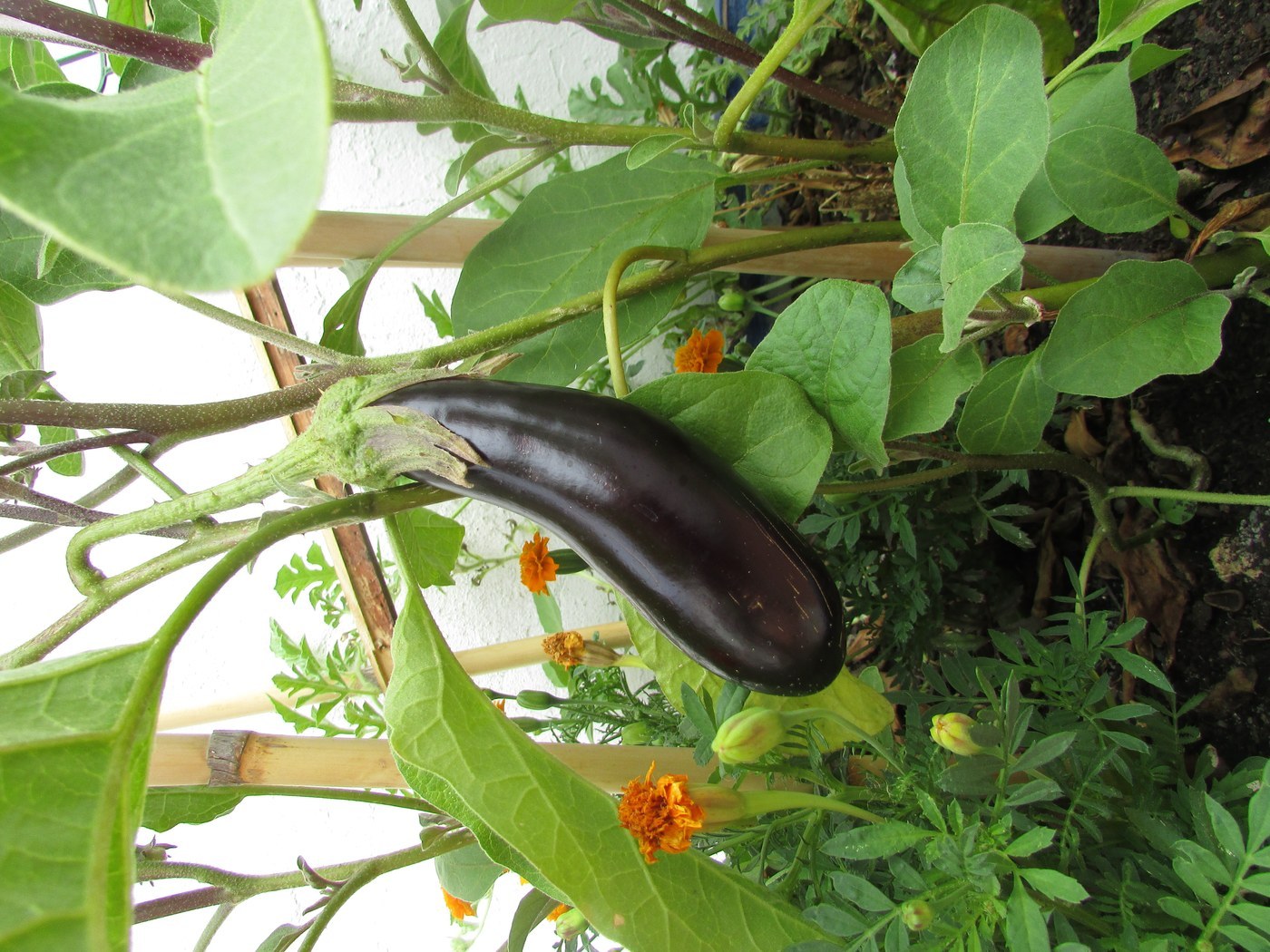
Eggplant is a warm-season member of the nightshade family grown in gardens for its glossy, pendant fruits that range from deep purple to white. It thrives in heat and a long growing season.
- Light
- Full sun (6-8+ hours)
- Water
- Consistent; about 1 inch per week
- Difficulty
- Moderate
Got a plant like this?
Identify any plant from a photo, free.
Overview
Eggplant (Solanum melongena) is a tender fruiting perennial almost always grown as an annual in temperate gardens. A relative of tomato, pepper and potato, it produces large, pendant fruits.
Domesticated in South and East Asia, eggplant comes in a striking range of shapes and colors, from the classic teardrop globe to slender Japanese types, small Thai green spheres and creamy-white 'egg' varieties that gave the plant its English name.
It is a heat-lover that needs a long, warm season to crop well, making it a rewarding plant in hot climates and a challenge where summers are short or cool.
How to identify it
- Habit: Bushy, upright plant typically 60-120 cm (2-4 ft) tall, often with spiny stems and leaf veins
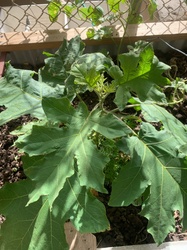
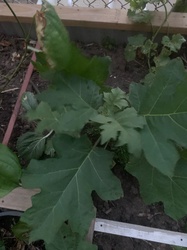
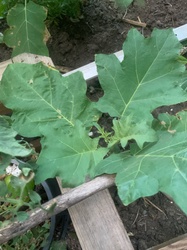
- Leaves: Large, lobed, soft and gray-green, covered in fine fuzz on the underside
- Flowers: Star-shaped, lavender to purple with a prominent yellow central cone of anthers
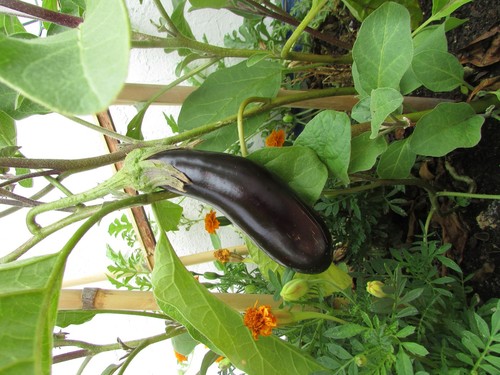
- Fruit: Glossy, smooth-skinned berry in purple, black, white, green or streaked forms; spongy white interior with small soft seeds
- Calyx: Green, often spiny cap clasping the top of the fruit
Care & growing
Light: Full sun; needs maximum warmth and light.
Water: Keep soil evenly moist, roughly 1 inch per week; mulch to conserve moisture and prevent fruit stress.
Soil: Rich, well-drained loam with plenty of compost; pH 5.8-6.8.
Temperature: Loves heat, ideally 21-32°C (70-90°F); damaged below 10°C (50°F). Start seed indoors 8-10 weeks before the last frost.
Feeding: Feed with a balanced fertilizer at planting, then switch to lower-nitrogen feed once flowering to encourage fruit.
Propagation: From seed; transplant only after soil is thoroughly warm.
Habitat & origin
Eggplant was domesticated from wild relatives in the Indo-Burma region and has been cultivated across South and East Asia for over 1,500 years. There is no truly wild form of the modern crop.
It is now grown worldwide in warm-temperate, subtropical and tropical regions. China and India lead global production, and it is a fixture in home and market gardens wherever summers are hot and long.
Frequently asked questions
Do eggplants need staking?
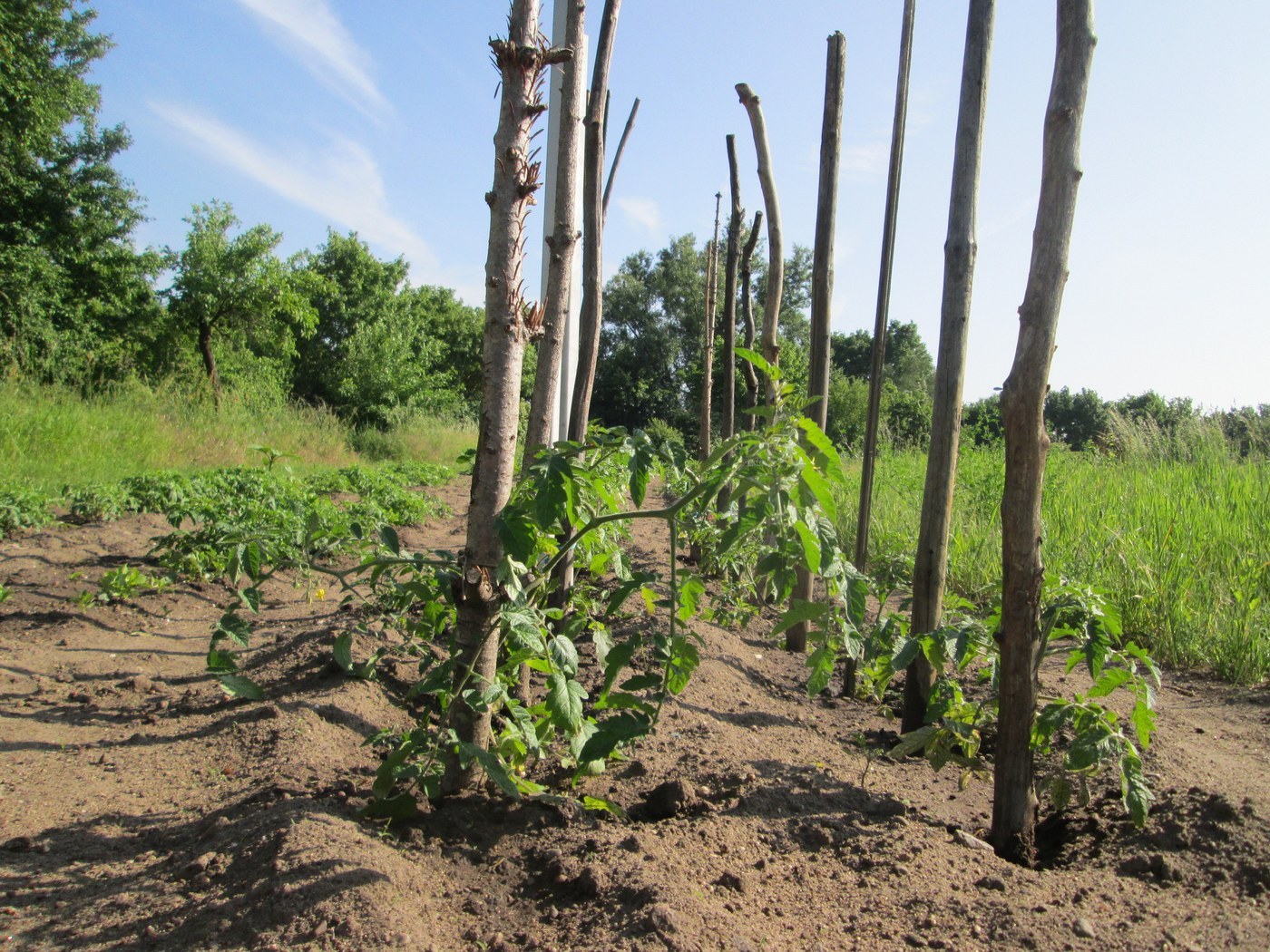
Larger-fruited varieties benefit from a stake or cage, as heavy fruit can bend or snap the brittle stems.
How do I know when an eggplant fruit is mature?
The skin is glossy and the fruit springs back slightly when pressed. Dull skin and hard seeds mean it is past maturity.
Can I grow eggplant in containers?
Yes. Use a pot of at least 5 gallons in full sun, and water more frequently since containers dry out fast.
What do eggplant flowers look like?
They are star-shaped and lavender to purple, with a prominent yellow central cone of anthers, borne on the bushy 2-4 ft plant.
Eggplant guides
In-depth guides for identifying, growing, and caring for Eggplant.
How to Care for Eggplant
Grow ornamental Eggplant with its purple flowers and glossy fruit in full sun and warm, consistently watered soil for a striking garden accent.
Eggplant Identification Guide
How to identify the eggplant plant (Solanum melongena) by its fuzzy gray-green leaves, star-shaped purple flowers, and glossy pendant fruit.
Eggplant identified by the community
Real specimens identified with Plant Identifier.