Poison Ivy Identification Guide
How to recognize poison ivy (Toxicodendron radicans) by its distinctive three-leaflet leaf pattern, growth habit, and waxy white berries.
Read the full Poison Ivy encyclopedia entry →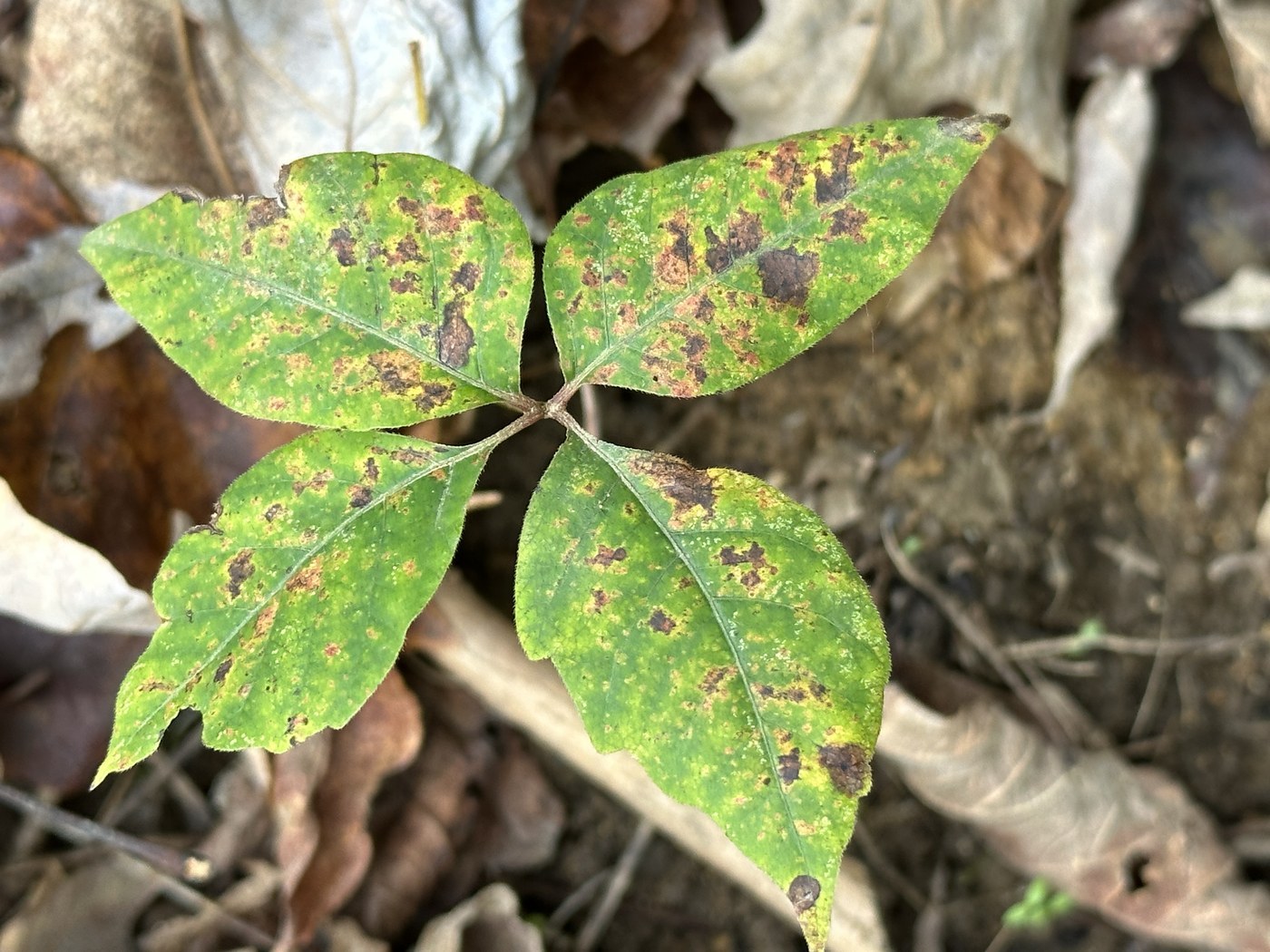
Key Identifying Features
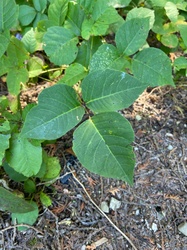
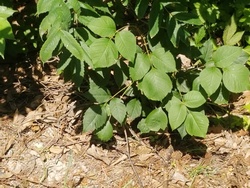
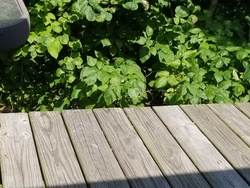
Poison ivy (Toxicodendron radicans) is a native plant of North America famous for the rhyme "leaves of three, let it be." Every leaf is divided into three leaflets. It grows as a ground creeper, low shrub, or hairy climbing vine.
- Three leaflets per leaf, the middle one on a longer stalk
- Variable form: trailing groundcover, shrub, or hairy aerial-rooted vine
- Leaflets glossy when young, often with a reddish tint in spring and brilliant red in fall
Leaves & Stems
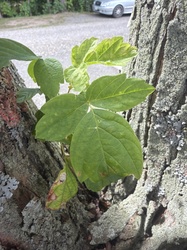
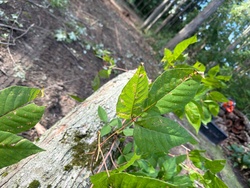
Leaves are alternate (one per node, never opposite) and compound with three leaflets. The middle leaflet has a noticeably longer stalk than the two side leaflets, which are nearly stalkless, a key feature. Leaflet edges are variable: smooth, wavy, toothed, or lobed (often with a "mitten" notch), which makes leaf shape alone unreliable. New growth is reddish and shiny; summer leaves are dull to glossy green; fall color is red to orange. Climbing stems are covered in dense aerial rootlets giving a fuzzy, rope-like "hairy vine" appearance on tree trunks.
Flowers & Fruit
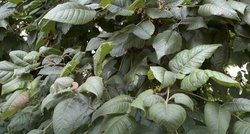
Small, greenish-white five-petaled flowers cluster in the leaf axils in late spring. They develop into clusters of small, round, dull white to cream-colored berries (drupes) about 1/4 inch wide that persist into winter. These waxy white berries are a reliable confirmation, especially after leaves drop.
How to Tell It Apart from Look-Alikes
- Boxelder seedlings: have opposite leaves of 3-5 leaflets; poison ivy is always alternate.
- Virginia creeper: usually five leaflets (sometimes three on juveniles) and clings with adhesive disk-tipped tendrils, not hairy rootlets.
- Fragrant sumac (Rhus aromatica): three leaflets but the middle leaflet is stalkless and it has red fuzzy berries.
- Blackberry/raspberry: thorny canes; poison ivy has no thorns.
Where You'll Find It
Poison ivy grows almost everywhere in eastern and central North America: woodland edges, trails, fencerows, riverbanks, roadsides, and backyards, in sun or shade. It often climbs trees and fences or carpets the forest floor.
Quick ID Checklist
- Three leaflets, middle one on a longer stalk
- Alternate arrangement (never opposite)
- No thorns; possible hairy aerial roots on climbing vines
- Reddish new growth, red fall color
- Waxy white berries in clusters
Frequently asked questions
Does poison ivy always have three leaves?
Yes, each leaf is divided into three leaflets, hence 'leaves of three, let it be.' The middle leaflet sits on a longer stalk than the two side leaflets, which helps confirm it.
How do I tell poison ivy from Virginia creeper?
Virginia creeper usually has five leaflets and climbs using adhesive disk-tipped tendrils, while poison ivy has three leaflets and climbs with fuzzy aerial rootlets that make the vine look hairy.
What do poison ivy berries look like?
They are small, round, dull white to cream-colored waxy berries in loose clusters that ripen in late summer and often persist into winter, providing a reliable ID after the leaves fall.
What growth forms does poison ivy take?
It can grow as a low trailing groundcover, an upright shrub, or a climbing vine that scales tree trunks and fences using dense, fuzzy aerial rootlets, so its form alone is variable.
Poison Ivy identified by the community
Recent Poison Ivy specimens identified with Plant Identifier.