Poison Ivy
Toxicodendron radicans
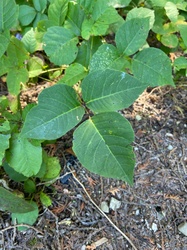
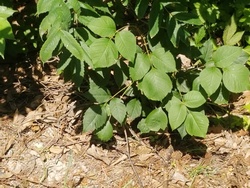
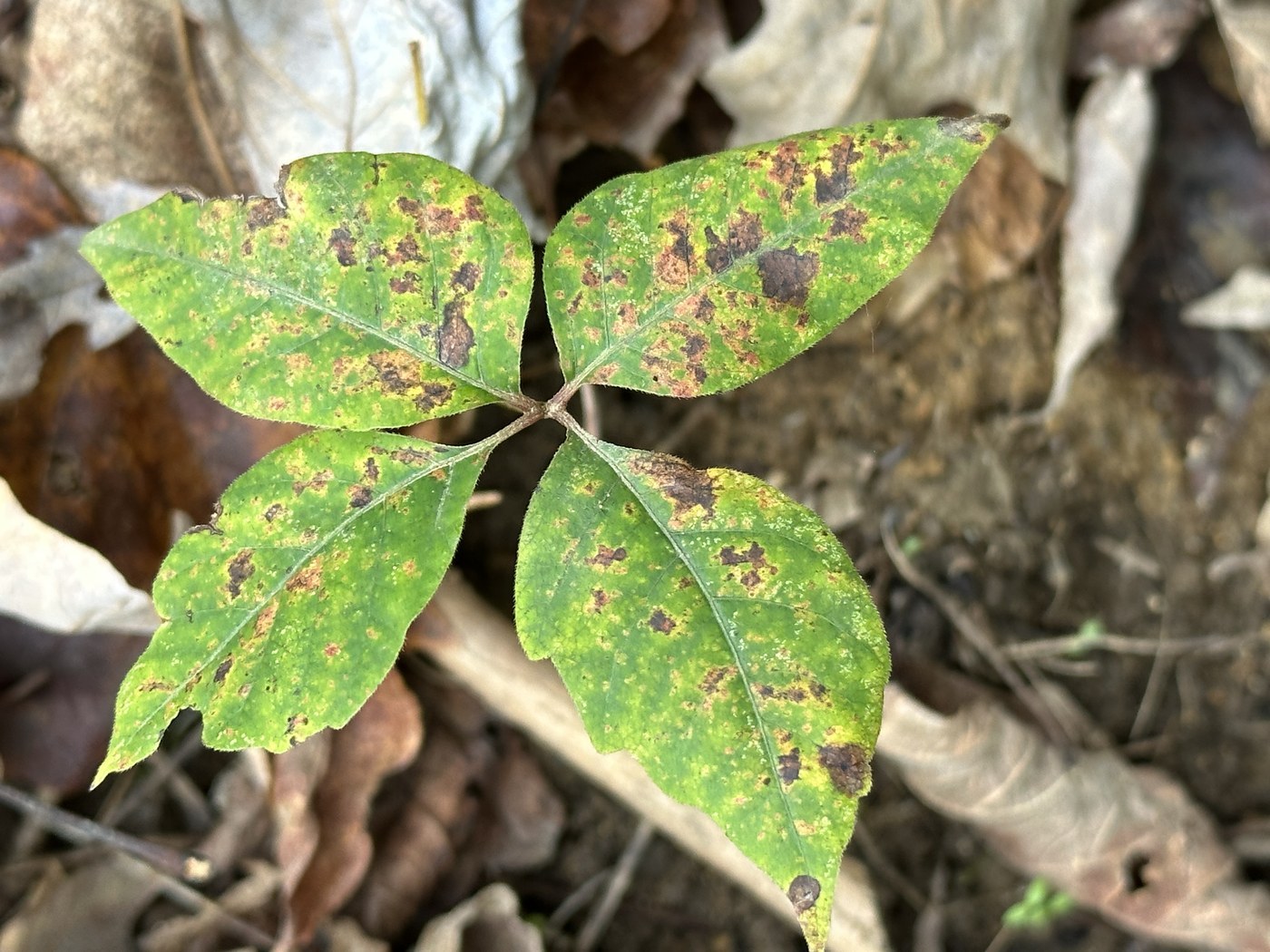
Poison ivy is a woody native vine or low shrub of North America. Its leaves grow in groups of three, the basis of the saying 'leaves of three, let it be'.
- Light
- Full sun to shade
- Water
- Adaptable; tolerates moist to dry soil
- Difficulty
- Easy
Got a plant like this?
Identify any plant from a photo, free.
Overview
Poison ivy (Toxicodendron radicans) is a woody perennial native to North America that grows as a trailing groundcover, a low shrub, or a hairy climbing vine depending on conditions.
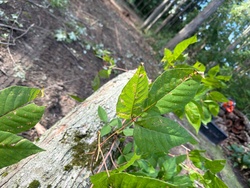
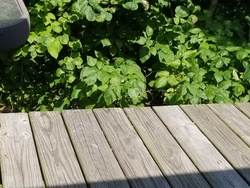
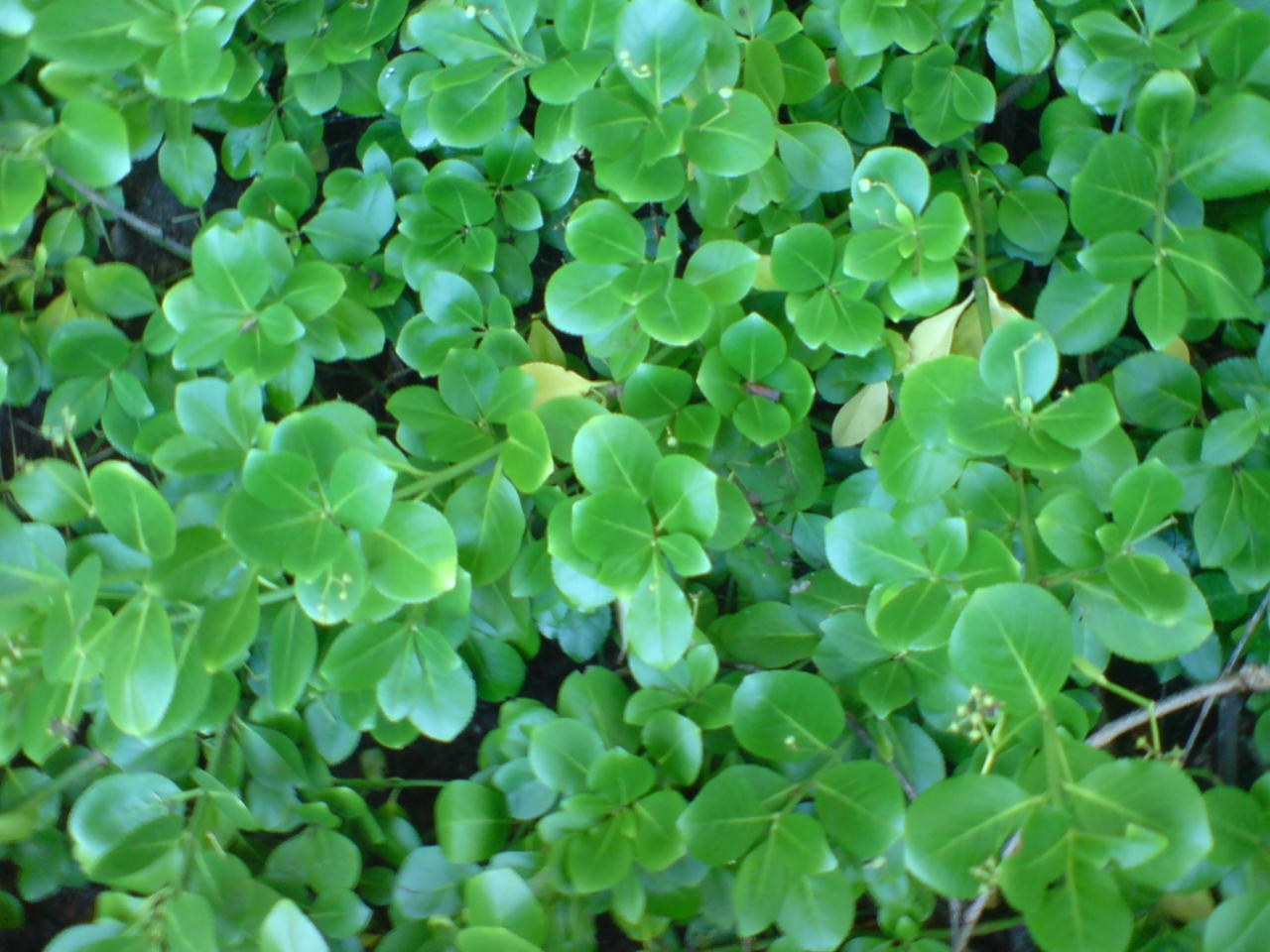
The classic identifier is its compound leaf of three leaflets, immortalized in the rhyme 'leaves of three, let it be'. Form, leaf shape and color vary considerably, which makes it tricky to recognize.
It is an ecologically valuable native plant whose berries feed many birds and whose foliage turns brilliant scarlet-orange in fall.
How to identify it
A highly variable native that can creep, mound or climb.
- Leaves: alternate, compound with three leaflets; the middle leaflet on a longer stalk; margins smooth, toothed or lobed; glossy or dull; reddish when new, green in summer, scarlet-orange in fall ('leaves of three, let it be')
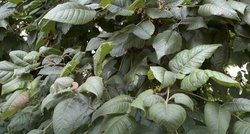
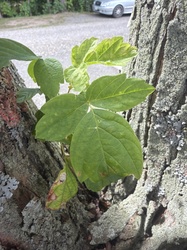
- Vines: climbing stems are covered in dense aerial rootlets, giving a fuzzy, 'hairy rope' look on tree trunks
- Flowers: small, greenish-yellow clusters in spring
- Fruit: clusters of waxy, grayish-white berry-like drupes in late summer
- No thorns and never with more than three leaflets per leaf
Care & growing
This is a vigorous native plant that is generally managed rather than cultivated.
- Light/soil/water: Extremely adaptable, growing in sun or shade and in moist or dry soils, which is why it appears almost anywhere
- Habit: Spreads by creeping roots and by seed, and readily climbs tree trunks, fences and walls
- Removal: Wear gloves and protective clothing when handling it; dig out roots or cut and bag the plant. Avoid burning it
- Persistence: Because it regrows from roots, repeated removal is often needed to clear an area
Habitat & origin
Native and widespread across eastern and central North America, with related forms reaching into Mexico and Asia. It grows in woodlands, forest edges, fence rows, roadsides, riverbanks, disturbed ground and even gardens.
It is most common at the edges of habitats and in disturbed sunny-to-shady transitional areas, and readily colonizes fences, tree trunks and walls where it can climb.
Frequently asked questions
How do I recognize poison ivy?
Look for compound leaves with three leaflets, the central one on a longer stalk, often glossy and reddish when young. Remember 'leaves of three, let it be'. Climbing stems look hairy with aerial roots.
Does poison ivy always have three leaflets?
Yes. Each leaf is divided into three leaflets, with the central leaflet on a longer stalk. The plant never has more than three leaflets per leaf and bears no thorns.
Where does poison ivy grow?
It is widespread across eastern and central North America in woodlands, forest edges, fence rows, roadsides, riverbanks and disturbed ground, often climbing trees, fences and walls.
Poison Ivy guides
In-depth guides for identifying, growing, and caring for Poison Ivy.
Poison Ivy identified by the community
Real specimens identified with Plant Identifier.