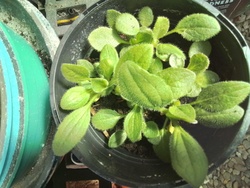
Black-Eyed Susan Identification Guide
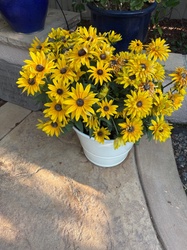
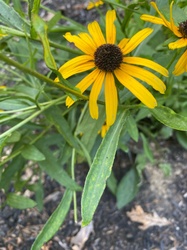
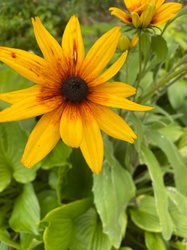
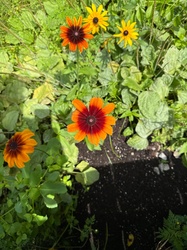
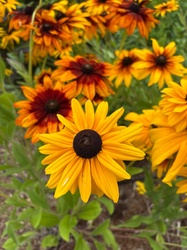
Identify black-eyed Susan (Rudbeckia) by its golden-yellow daisy petals around a dark domed brown-black center and its rough, bristly hairy leaves and stems.
Read the full Black-Eyed Susan encyclopedia entry →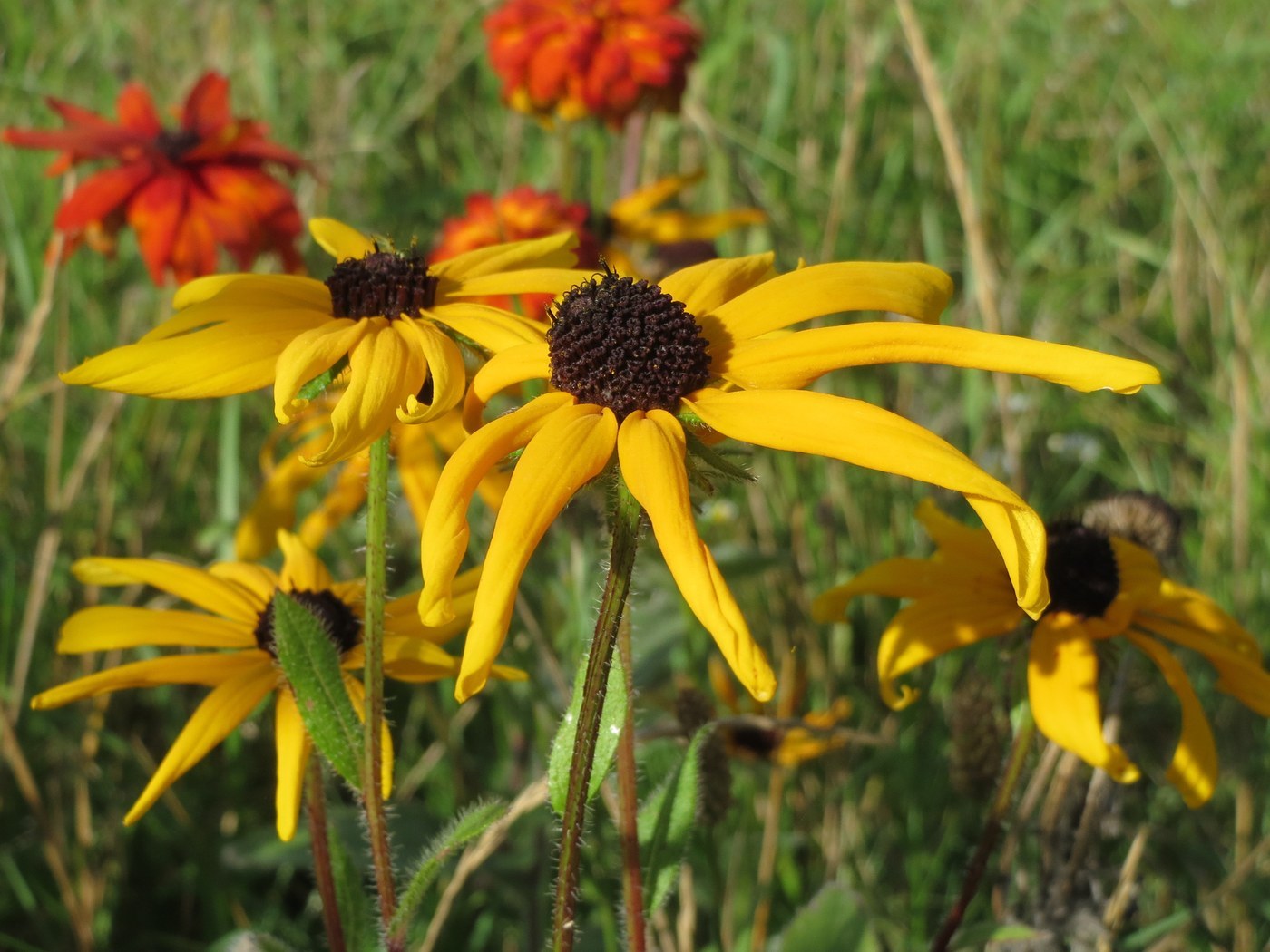
Key Identifying Features
Black-eyed Susan (Rudbeckia hirta and related species) is a North American wildflower in the daisy family (Asteraceae). It is easily known by its bright golden-yellow ray petals encircling a dark, raised, domed brown-to-black central disk, set on rough, bristly-hairy stems and leaves. The dark "eye" gives the plant its name.
- Golden-yellow to orange-yellow petals in a single ring
- A prominent dark brown to nearly black, dome-shaped central button
- Coarse, sandpapery, hairy foliage
- Stiff, hairy, branching stems usually 1-3 feet tall
Leaves & Stems
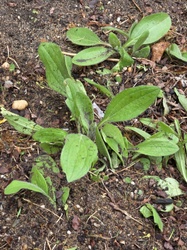
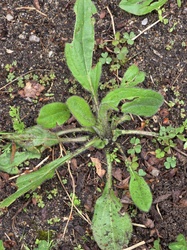
Leaves are alternate, lance- to oval-shaped, with mostly smooth or slightly toothed margins, and are covered with stiff, rough hairs that make them feel like sandpaper. Lower leaves have stalks; upper leaves are smaller and clasp the stem. Stems are erect, branching, green, and noticeably bristly-hairy. The overall texture is coarse, a quick way to separate it from smoother-leaved daisies.
Flowers & Fruit
Each flower head is 2-3 inches across with 8-20 golden-yellow ray florets that may be slightly drooping or held flat, surrounding a conical or dome-shaped disk of tiny dark florets that is brown to chocolate-black (in some cultivars greenish or with a reddish ring at the petal base). Heads are borne singly on long stalks. Bloom runs from early summer into autumn. As seeds ripen, the dark central cone hardens and persists, holding small dry seeds.
How to Tell It Apart from Look-Alikes
- Purple coneflower (Echinacea): pink-purple drooping petals and a spiny orange cone, not yellow petals and a brown dome.
- Sunflower (Helianthus): much larger heads and often a yellow or brown center but bigger, broader leaves.
- Coreopsis: yellow petals too, but petals are usually notched at the tips and the center is small and flat, not a dark dome.
- Gloriosa daisy: a large-flowered cultivar of Rudbeckia hirta itself, often with mahogany banding.
The pairing of golden-yellow petals around a dark raised dome plus rough hairy foliage confirms black-eyed Susan.
Where You'll Find It
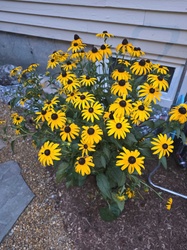
Native across much of North America, it grows in prairies, meadows, fields, roadsides, and open woods, and is one of the most popular garden and wildflower-meadow plants. It thrives in full sun and tolerates dry, poor soils, attracting bees and butterflies and self-seeding readily.
Quick ID Checklist
- Golden-yellow daisy petals in a single ring
- Dark brown to black raised, domed center
- Rough, bristly, sandpapery leaves and stems
- Stiff branching stems 1-3 feet tall
- Blooms summer into fall, often in large drifts
Frequently asked questions
How do I tell black-eyed Susan from a sunflower?
Black-eyed Susan has smaller 2-3 inch heads on bristly branching stems with rough narrow leaves, while sunflowers have much larger heads and broad leaves on stout stalks.
Why are the leaves so rough?
The leaves and stems are covered in stiff hairs that give a sandpapery feel; this coarse texture is one of the easiest field marks for Rudbeckia hirta.
Is the center always black?
It ranges from dark brown to nearly black; some cultivars show a greenish or reddish tone, but the raised, dome-shaped dark eye is consistent.
Is black-eyed Susan a perennial?
Rudbeckia hirta is often a short-lived perennial or biennial that behaves like an annual, but it self-seeds freely so it returns reliably; other Rudbeckia species are longer-lived perennials.
Black-Eyed Susan identified by the community
Recent Black-Eyed Susan specimens identified with Plant Identifier.