Calla Lily Identification Guide
Identify the calla lily by its single funnel-shaped spathe wrapped around a yellow finger-like spadix, and its glossy arrow-shaped leaves. Includes the note that it is not a true lily.
Read the full Calla Lily encyclopedia entry →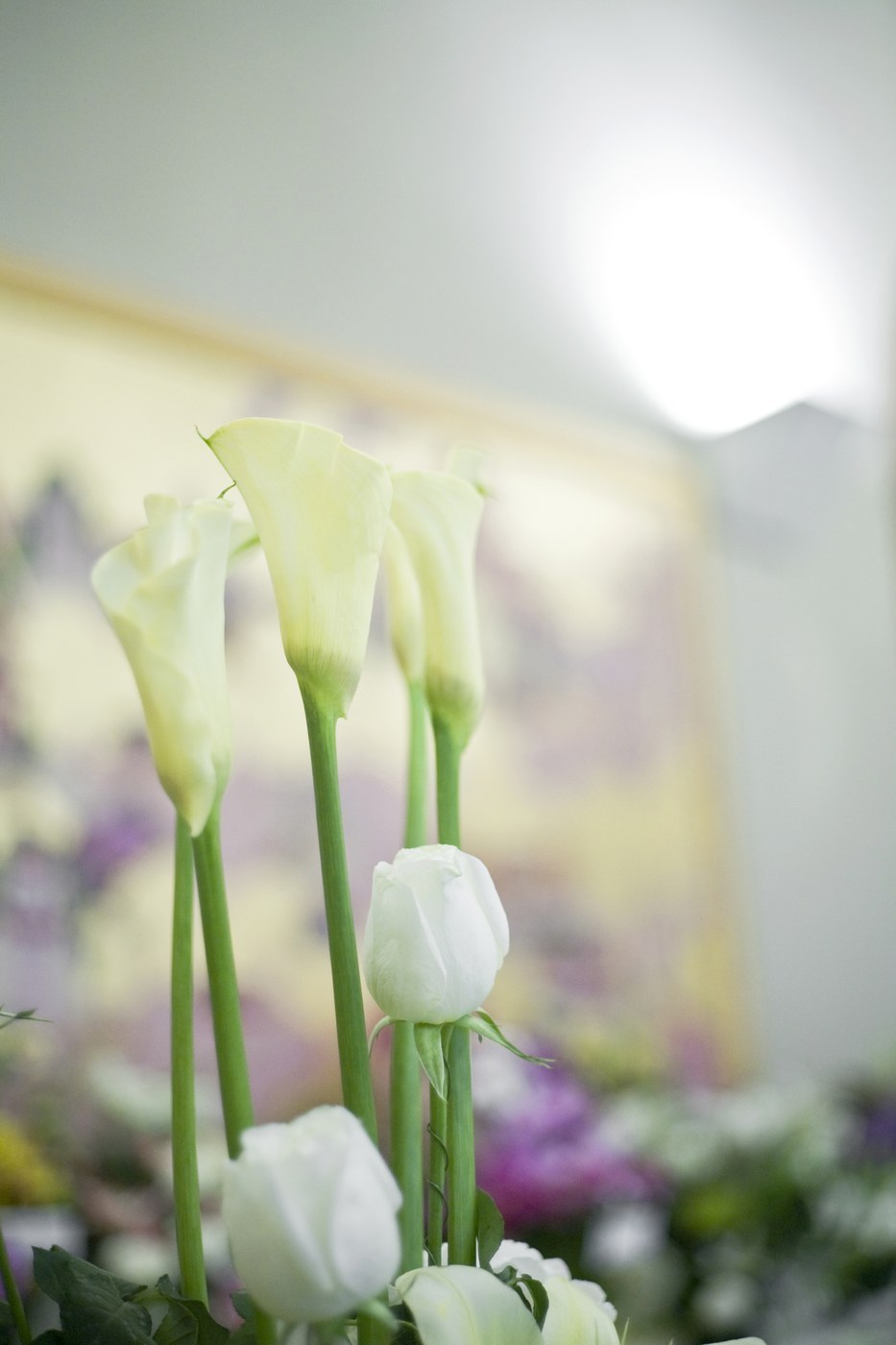
Key Identifying Features
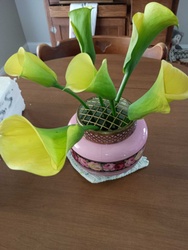
The calla lily (Zantedeschia) is not a true lily but a member of the arum family (Araceae). Its signature 'flower' is actually a single curved, funnel-shaped bract.
- A smooth, funnel-shaped spathe rolled into an elegant cone, flaring at the mouth
- A central finger-like yellow spadix (the true tiny flowers are on this column)
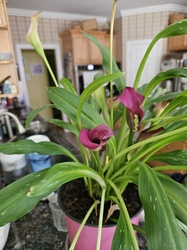
- Classic spathe colors: white (Z. aethiopica), plus yellow, pink, orange, purple, near-black in hybrids
- Each bloom held singly on a tall, smooth, leafless stalk
Leaves & Stems
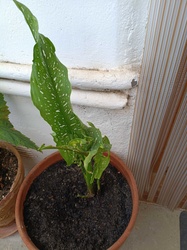
Leaves are large, glossy, and arrow- or heart-shaped (sagittate), rising on long succulent stalks straight from the base. Many forms have leaves spotted or flecked with translucent white. The plant grows from a rhizome or tuber. There is no woody stem—both leaves and flower stalks emerge directly from the ground in a clump, typically 1-3 ft tall.
Flowers & Fruit
What looks like one petal is the spathe, a modified leaf wrapped around the spadix. The actual flowers are minute and clustered on the spadix (female at the base, male above). After pollination, berries may form on the spadix.
How to Tell It Apart from Look-Alikes
- True lilies (Lilium): have 6 separate tepals and prominent stamens; calla has a single rolled spathe and a spadix—completely different structure.
- Peace lily (Spathiphyllum): also an arum with a white spathe and spadix, but its spathe is flat/open and pointed, leaves are lance-shaped (not arrow-shaped), and it is a shade houseplant.
- Anthurium: arum relative with a flat, often waxy red spathe and curling spadix.
- A single funnel-rolled spathe around a yellow spadix, plus glossy arrow leaves confirms calla lily.
Where You'll Find It
Calla lilies are popular garden, container, and cut/wedding flowers. White calla (Z. aethiopica) likes moist or boggy ground and even pond margins, while colored hybrids prefer well-drained beds. Native to southern Africa, they grow outdoors in mild climates and as tender bulbs or houseplants elsewhere.
Quick ID Checklist
- Single funnel-rolled spathe (looks like one curved petal)
- Central yellow finger-like spadix
- Glossy arrow/heart-shaped leaves, often white-spotted
- Smooth leafless flower stalk from a rhizome
- White or vivid hybrid colors
- Not a true lily
A single elegant funnel-shaped spathe wrapped around a yellow spadix, above glossy arrow-shaped leaves, identifies the calla lily.
Frequently asked questions
Is a calla lily a true lily?
No. Despite the name, calla lily (Zantedeschia) belongs to the arum family (Araceae), not the lily family; its bloom is a single spathe and spadix, not six tepals.
What is the yellow finger in the center?
That is the spadix, a column bearing the tiny true flowers, while the showy funnel around it is a modified leaf called the spathe.
How do I tell a calla lily from a peace lily?
A calla lily's spathe rolls into a funnel around a yellow spadix with arrow-shaped leaves, while a peace lily has a flat open white spathe and lance-shaped leaves and is grown as a shade houseplant.
What colors do calla lily spathes come in?
White in Zantedeschia aethiopica, plus yellow, pink, orange, purple, and near-black in hybrids; each bloom is held singly on a tall, smooth, leafless stalk.
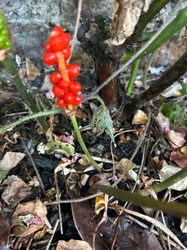
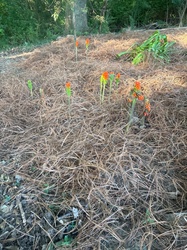
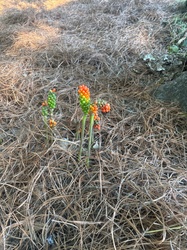
Calla Lily identified by the community
Recent Calla Lily specimens identified with Plant Identifier.