Calla Lily
Zantedeschia aethiopica
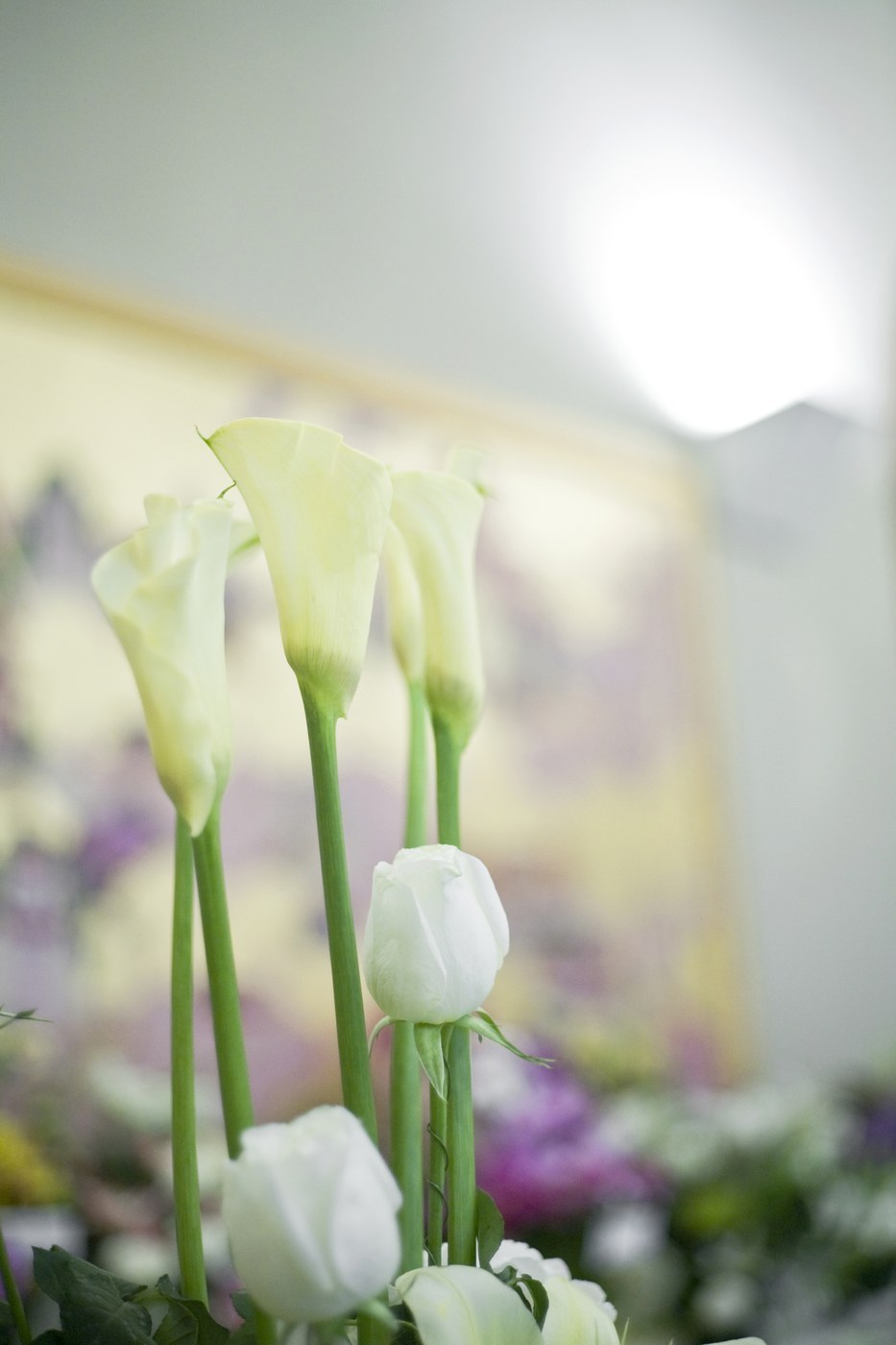
Calla lilies are elegant plants grown for their sculptural, trumpet-shaped flower bracts in white and rich jewel tones above arrow-shaped leaves. Despite the name, they are not true lilies.
- Light
- Full sun to part shade
- Water
- Keep moist; tolerates wet soil
- Difficulty
- Moderate
Got a plant like this?
Identify any plant from a photo, free.
Overview
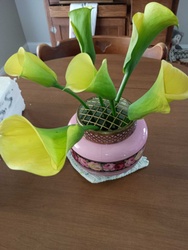
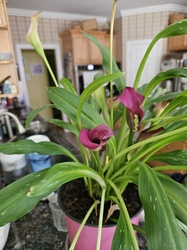
The calla lily belongs to the genus Zantedeschia in the arum family (Araceae) and is not a true lily at all. Its signature “flower” is actually a colorful funnel-shaped bract (a spathe) wrapped around a central yellow finger-like spike (the spadix) that bears the true tiny flowers.
The classic white calla (Zantedeschia aethiopica) is a robust, moisture-loving plant, while the colorful hybrids derived from other Zantedeschia species come in yellow, pink, orange, and deep purple-black. Their clean, sculptural form makes them prized for cut flowers, weddings, and elegant container displays.
They grow from rhizomes (white calla) or tubers (colored hybrids) and are tender to frost in cold climates.
How to identify it
Calla lilies are defined by their unmistakable funnel-shaped spathe.
- “Flower”: A smooth, funnel- or trumpet-shaped bract (spathe) surrounding a yellow central spike (spadix); white in Z. aethiopica, jewel tones in hybrids
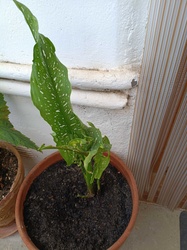
- Leaves: Large, glossy, arrow- or heart-shaped, often spotted with translucent white flecks in colored types
- Habit: Clump-forming from rhizomes or tubers
- Height: Roughly 1-3 ft, the white calla being the tallest
- Stems: Long, smooth flower stalks ideal for cutting
Care & growing
Calla lilies need warmth, light, and moisture differences by type.
- Light: Full sun to partial shade; some afternoon shade is helpful in hot climates
- Water: White calla loves consistently moist to boggy soil and tolerates pond margins; colored hybrids prefer moist but well-drained soil and can rot if waterlogged
- Soil: Rich, humus-rich soil
- Temperature: Tender; hardy in USDA zones 8-10, lifted or grown in pots in colder areas
- Feeding: Feed during active growth for best flowering
- Propagation: By dividing rhizomes or tubers when dormant
In cold climates, lift tubers before frost and store them dry over winter, or grow callas in containers moved indoors.
Habitat & origin
Zantedeschia is native to southern Africa, where the white calla grows in marshes, stream banks, and seasonally wet ground in South Africa and surrounding regions. The colored-hybrid parent species often come from summer-rainfall areas and tolerate drier dormancy.
The white calla has naturalized in mild, moist climates around the world (and is even a weed in parts of Australia). Calla lilies are grown globally as ornamentals, cut flowers, and container plants.
Frequently asked questions
Are calla lilies real lilies?
No, despite the name they belong to the genus Zantedeschia in the arum family, unrelated to true lilies.
Do calla lilies come back every year?
In mild climates (zones 8-10) they return each year, but in colder areas the tubers should be lifted and stored over winter or grown in containers.
Why won't my calla lily flower?
Common reasons include too much shade, excess nitrogen, or no dormant rest period; give bright light, balanced feeding, and let colored hybrids rest after flowering.
How do I propagate calla lilies?
By dividing the rhizomes (white calla) or tubers (colored hybrids) while the plant is dormant, making sure each piece has a growing point.
Calla Lily guides
In-depth guides for identifying, growing, and caring for Calla Lily.
How to Care for Calla Lily
Calla lilies produce elegant sculptural blooms from rhizomes; give them rich moist soil, warmth, and bright light for a stunning display.
Calla Lily Identification Guide
Identify the calla lily by its single funnel-shaped spathe wrapped around a yellow finger-like spadix, and its glossy arrow-shaped leaves. Includes the note that it is not a true lily.
Calla Lily identified by the community
Real specimens identified with Plant Identifier.