Hairy Bittercress
Cardamine hirsuta
A small annual weed in the mustard family that forms a basal rosette and shoots tiny white flowers in early spring, followed by seed pods that explosively fling seeds. It is a common nuisance in nursery pots and garden beds.
- Light
- Full sun to part shade
- Water
- Prefers cool, moist soil
- Difficulty
- Easy
Got a plant like this?
Identify any plant from a photo, free.
Overview
Hairy bittercress (Cardamine hirsuta) is a low-growing annual or winter annual in the mustard family (Brassicaceae). It is among the earliest weeds to appear in spring, often flowering while temperatures are still cool.
Though small, it is a prolific reproducer: its slender seed pods (siliques) burst open when touched or ripe, scattering seeds up to several feet. This makes it a frequent and frustrating colonizer of greenhouse pots, garden beds and bare soil.
How to identify it
Recognize it by its flat rosette of rounded leaflets and tiny white spring flowers.
- Basal rosette of compound leaves, each with several pairs of small, kidney-shaped to rounded leaflets and a larger terminal leaflet
- Sparse hairs on the leaf stalks (despite the name, not very hairy overall)
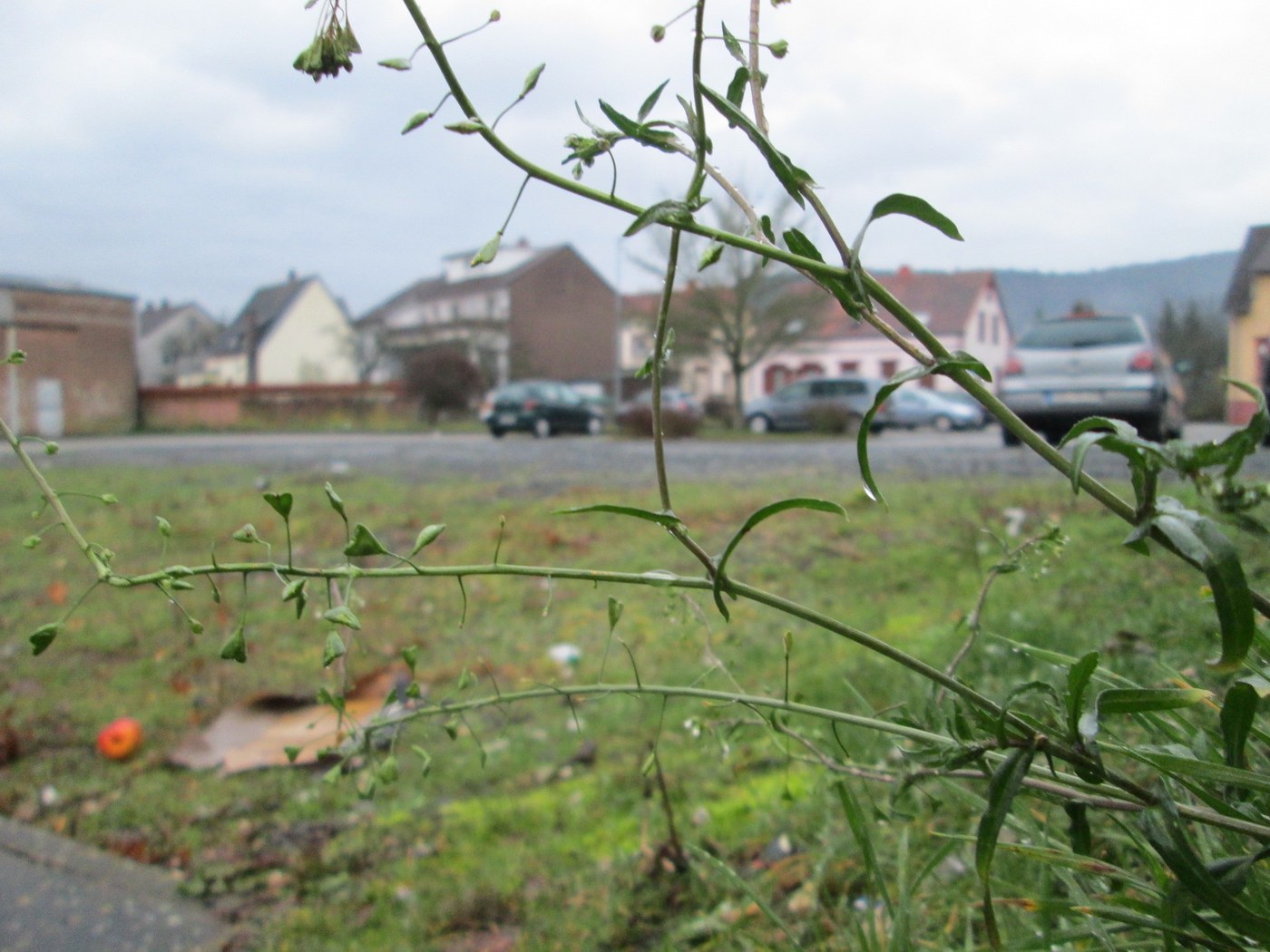
- Thin flowering stems 3-9 in tall topped with clusters of small four-petaled white flowers
- Long, upright, narrow seed pods that explode to eject seeds
Care & growing
Hairy bittercress is a weed and is not deliberately grown; management focuses on early removal.
- Light: Full sun to partial shade
- Water: Favors cool, moist conditions; common in irrigated pots
- Soil: Moist, fertile, disturbed soil
- Temperature: A cool-season weed active in fall, winter and early spring
- Propagation: By explosively dispersed seed; can complete its life cycle quickly and produce multiple generations a year
- Control: Pull or hoe young plants before pods form, mulch bare soil, and inspect nursery plants before bringing them home
Habitat & origin
Native to Eurasia and North Africa, hairy bittercress has spread across temperate regions worldwide, including throughout North America.
It thrives in moist, disturbed ground: garden beds, container nurseries, greenhouse benches, lawns, sidewalk cracks and cultivated fields. Its cool-season habit lets it flourish when many other plants are dormant.
Frequently asked questions
Why does bittercress keep appearing in my plant pots?
Its seed pods explode and fling seeds several feet, and it often arrives already growing in nursery containers. Remove plants before they set seed and use fresh mulch to limit it.
How do I control hairy bittercress?
Pull or hoe it while young and before the seed pods form, since once they ripen they scatter seed widely. Mulching bare soil and removing it from new nursery plants helps prevent spread.
When does hairy bittercress grow?
It is a cool-season weed that germinates in fall and early spring, often flowering and setting seed very early in the year while other plants are still dormant.
How do I recognize hairy bittercress?
Look for a flat basal rosette of small rounded leaflets, thin stems topped with tiny four-petaled white flowers, and slender upright seed pods that spring open when touched.
Hairy Bittercress guides
In-depth guides for identifying, growing, and caring for Hairy Bittercress.
How to Care for Hairy Bittercress
Grow Hairy Bittercress (Cardamine hirsuta), a fast little rosette plant that thrives in cool, moist soil and full sun to part shade.
Hairy Bittercress Identification Guide
Identify hairy bittercress by its basal rosette of pinnate leaves, tiny white four-petaled flowers, and exploding seed pods. Includes look-alikes and habitat.