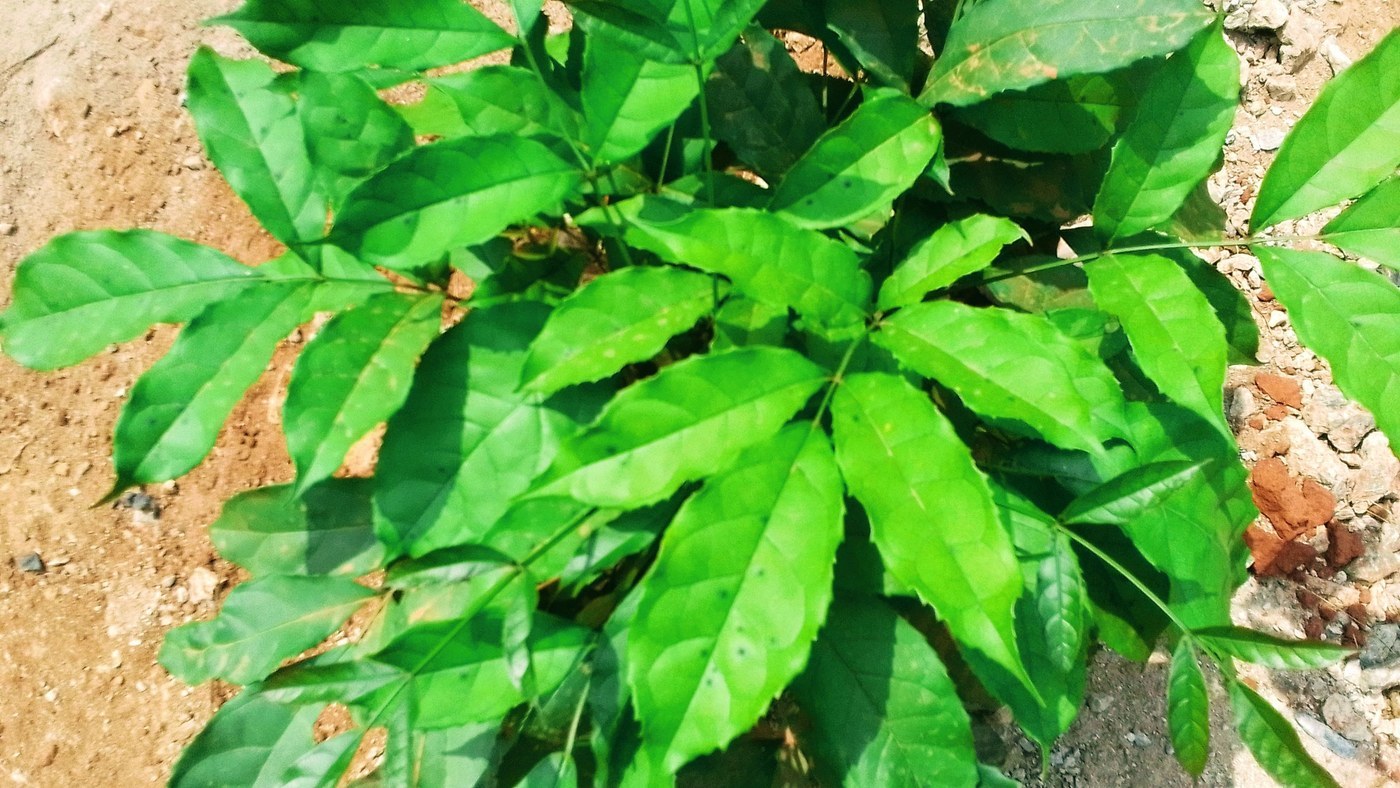
Hyssop
Hyssopus officinalis
An aromatic, semi-evergreen Mediterranean shrub-herb in the mint family, bearing spikes of deep blue flowers loved by bees.
- Light
- Full sun
- Water
- Low to moderate; drought-tolerant
- Difficulty
- Easy
Got a plant like this?
Identify any plant from a photo, free.
Overview
Hyssop is a compact, woody-based perennial herb with narrow leaves and showy spikes of blue (sometimes pink or white) flowers. A member of the mint family, it carries a strong, camphor-like aroma.
Grown since ancient times as an aromatic and ceremonial plant, hyssop is mentioned in historical and religious texts. Today it is grown as an ornamental and a bee plant.
How to identify it
- Narrow, lance-shaped aromatic leaves in opposite pairs along square stems
- Dense, one-sided spikes of deep blue-violet flowers in summer (pink and white forms exist)
- Bushy, semi-evergreen subshrub reaching 40-60 cm (16-24 in)
- Woody base with herbaceous upper growth
- Strong minty-camphor scent when foliage is crushed
Care & growing
Hyssop is easy and thrives in lean, sunny spots.
- Light: Full sun
- Water: Low to moderate; drought-tolerant once established
- Soil: Light, well-drained, even chalky or poor soil; dislikes wet roots
- Temperature: Cold-hardy in temperate climates
- Feeding: Minimal; rich soil reduces aroma
- Propagation: From seed, cuttings, or division; trim after flowering to keep it compact
Habitat & origin
Native to southern Europe, the Mediterranean region, and Central Asia, hyssop grows wild on dry, rocky, sunny slopes and limestone soils.
It has long been cultivated in herb and monastery gardens and is now grown widely in temperate regions as an aromatic ornamental.
Frequently asked questions
Is hyssop the same plant mentioned in the Bible?
The biblical 'hyssop' is debated and may refer to a different plant such as a wild oregano or marjoram, but Hyssopus officinalis has long carried the name.
Is hyssop good for bees?
Yes. Its nectar-rich blue flower spikes are a strong magnet for bees, butterflies, and other pollinators.
How do I identify hyssop?
Look for narrow, lance-shaped aromatic leaves in opposite pairs on square stems, a bushy subshrub 40-60 cm tall, and dense one-sided spikes of deep blue-violet flowers in summer.
Where does hyssop grow best?
It thrives in full sun on light, well-drained, even chalky or poor soil, and is drought-tolerant once established. It dislikes wet roots.
Hyssop guides
In-depth guides for identifying, growing, and caring for Hyssop.
How to Care for Hyssop
Hyssop is a tough, sun-loving evergreen herb with aromatic foliage and spikes of blue-violet flowers that thrive on neglect in hot, dry, well-drained sites.
Hyssop Identification Guide
How to identify hyssop (Hyssopus officinalis) by its narrow aromatic leaves, square stems, and upright spikes of deep blue-violet two-lipped flowers.