Marjoram
Origanum majorana
Marjoram is a tender, aromatic Mediterranean herb closely related to oregano, grown as a culinary herb in gardens, pots, and on windowsills.
- Light
- Full sun
- Water
- Moderate; let topsoil dry
- Difficulty
- Easy
Got a plant like this?
Identify any plant from a photo, free.
Overview
Marjoram is a small, bushy perennial in the mint family (Lamiaceae), most often grown as an annual in cooler climates. Sweet marjoram is a close relative of oregano (Origanum vulgare).
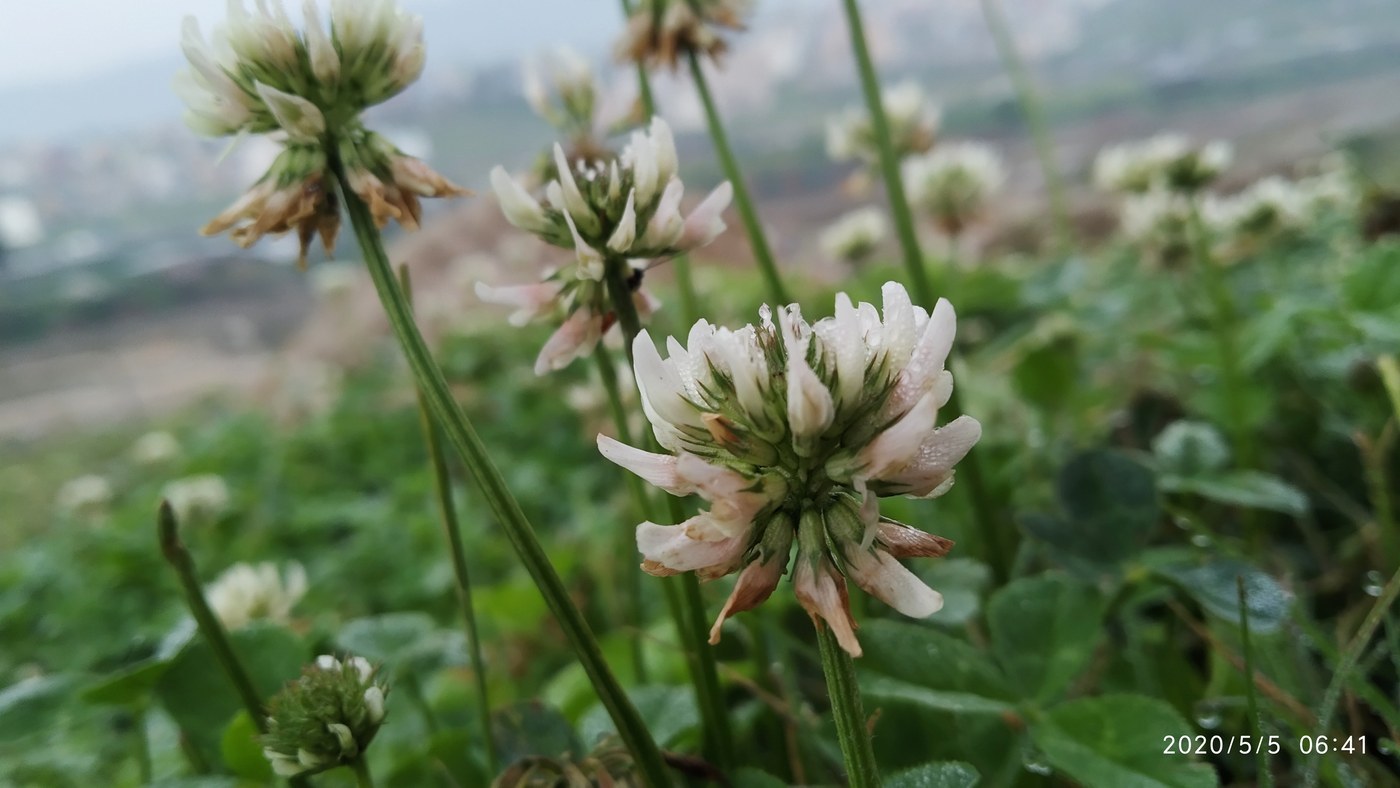
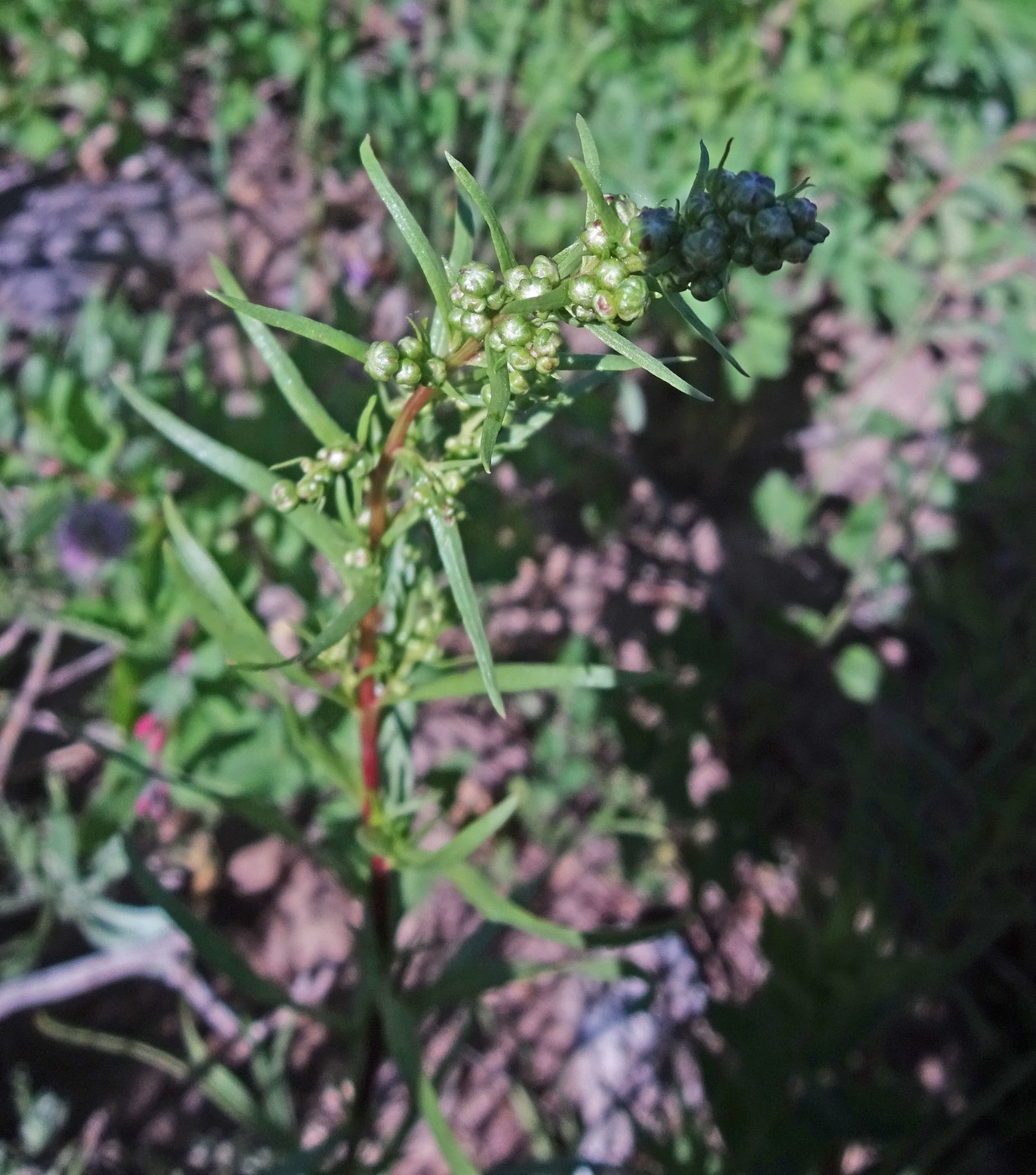
The plant forms a low mound of soft gray-green oval leaves on wiry stems, reaching about 30 cm (1 ft). Its common name 'knotted marjoram' comes from the tight, knot-like flower clusters that form before the tiny white blooms open.
How to identify it
- Leaves: Small, oval, soft and slightly fuzzy, gray-green, arranged in opposite pairs
- Aroma: Distinctly aromatic when crushed, with a milder scent than oregano
- Habit: Compact, bushy mound 20-40 cm tall with thin square stems
- Flowers: Tiny white to pinkish blooms emerging from green, knot-like bracts
- Stems: Square in cross-section, typical of the mint family
Care & growing
- Light: Full sun for compact growth
- Water: Moderate; let the top of the soil dry between waterings, it dislikes soggy roots
- Soil: Light, well-drained, slightly alkaline soil
- Temperature: Tender; perennial only in roughly zones 9-10, grown as an annual elsewhere or overwintered indoors
- Feeding: Light feeding only; rich soil reduces fragrance
- Propagation: From seed sown indoors, or by cuttings and division
Habitat & origin
Marjoram is native to the Mediterranean region, the Middle East and parts of North Africa, where it grows on warm, dry, rocky hillsides. It has been cultivated since antiquity and was a symbol of love and happiness in ancient Greece and Rome.
It is now grown worldwide in herb gardens, pots and windowsills, and is commercially produced in parts of Europe, Egypt and North America.
Frequently asked questions
Is marjoram a perennial?
It is a tender perennial hardy only in warm zones 9-10. In colder regions it is grown as an annual or brought indoors over winter.
How do I identify marjoram?
Look for a compact, bushy mound 20-40 cm tall with small, soft, oval gray-green leaves in opposite pairs on square stems, and tiny white to pinkish flowers emerging from knot-like green bracts.
Can I grow marjoram indoors?
Yes. Give it a sunny windowsill with at least 6 hours of light and a well-drained pot, and let the topsoil dry between waterings.
What growing conditions does marjoram prefer?
It thrives in full sun with light, well-drained, slightly alkaline soil, and prefers that the topsoil dry between waterings.
Marjoram guides
In-depth guides for identifying, growing, and caring for Marjoram.
How to Care for Marjoram
Grow sweet marjoram (Origanum majorana), a tender Mediterranean herb prized for its compact mounds of soft, aromatic gray-green foliage.
Marjoram Identification Guide
Identify sweet marjoram by its soft gray-green oval leaves, square stems, and the distinctive 'knotted' flower clusters that give it the name knotted marjoram.