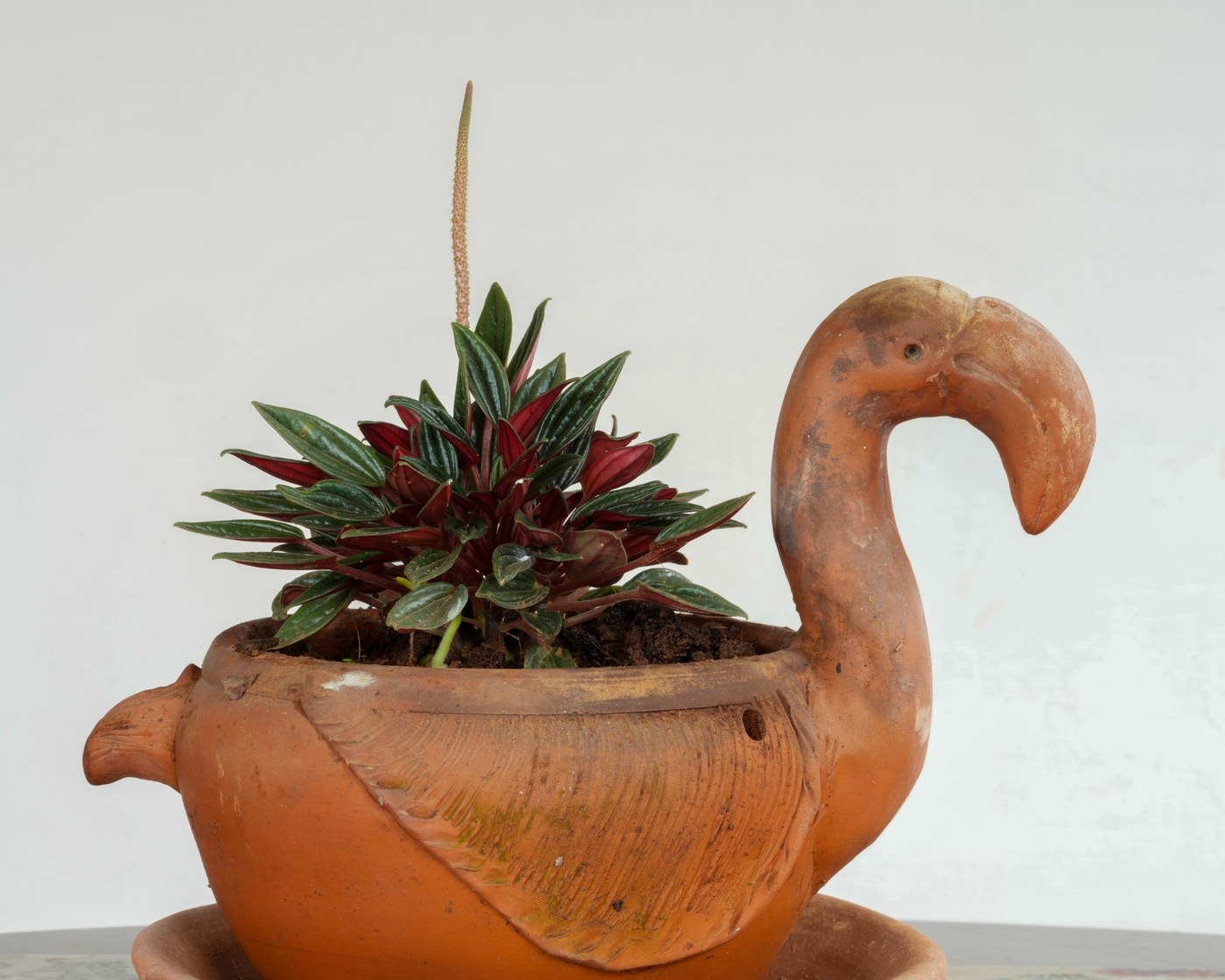
Peperomia Rosso
Peperomia caperata 'Rosso'
A compact peperomia cultivar with deeply textured, dark green leaves that flash a deep red-burgundy underside. Small, slow-growing, and easy, it thrives on benign neglect.
- Light
- Medium to bright indirect light
- Water
- When top half of soil dries
- Difficulty
- Easy
Got a plant like this?
Identify any plant from a photo, free.
Overview
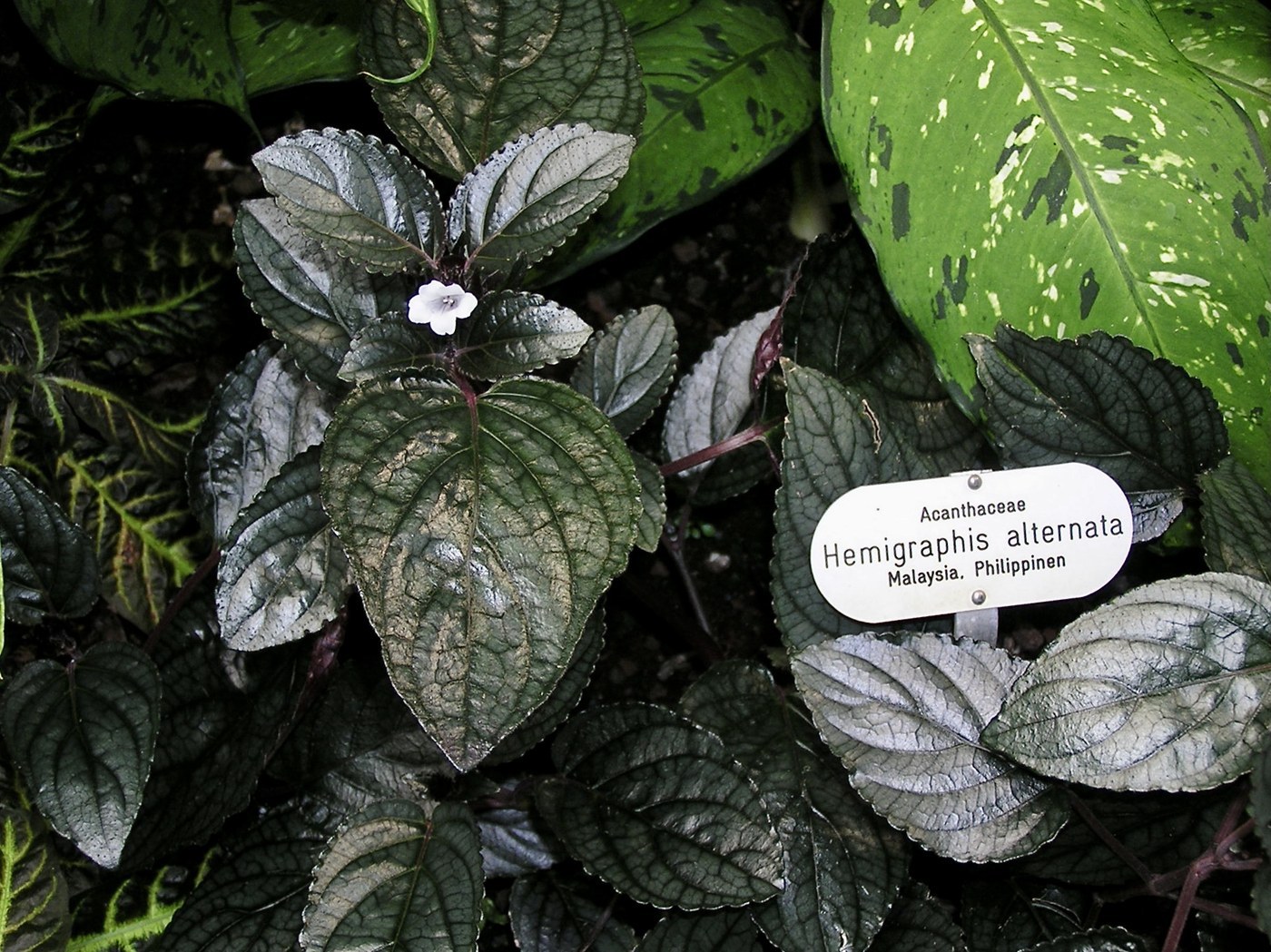
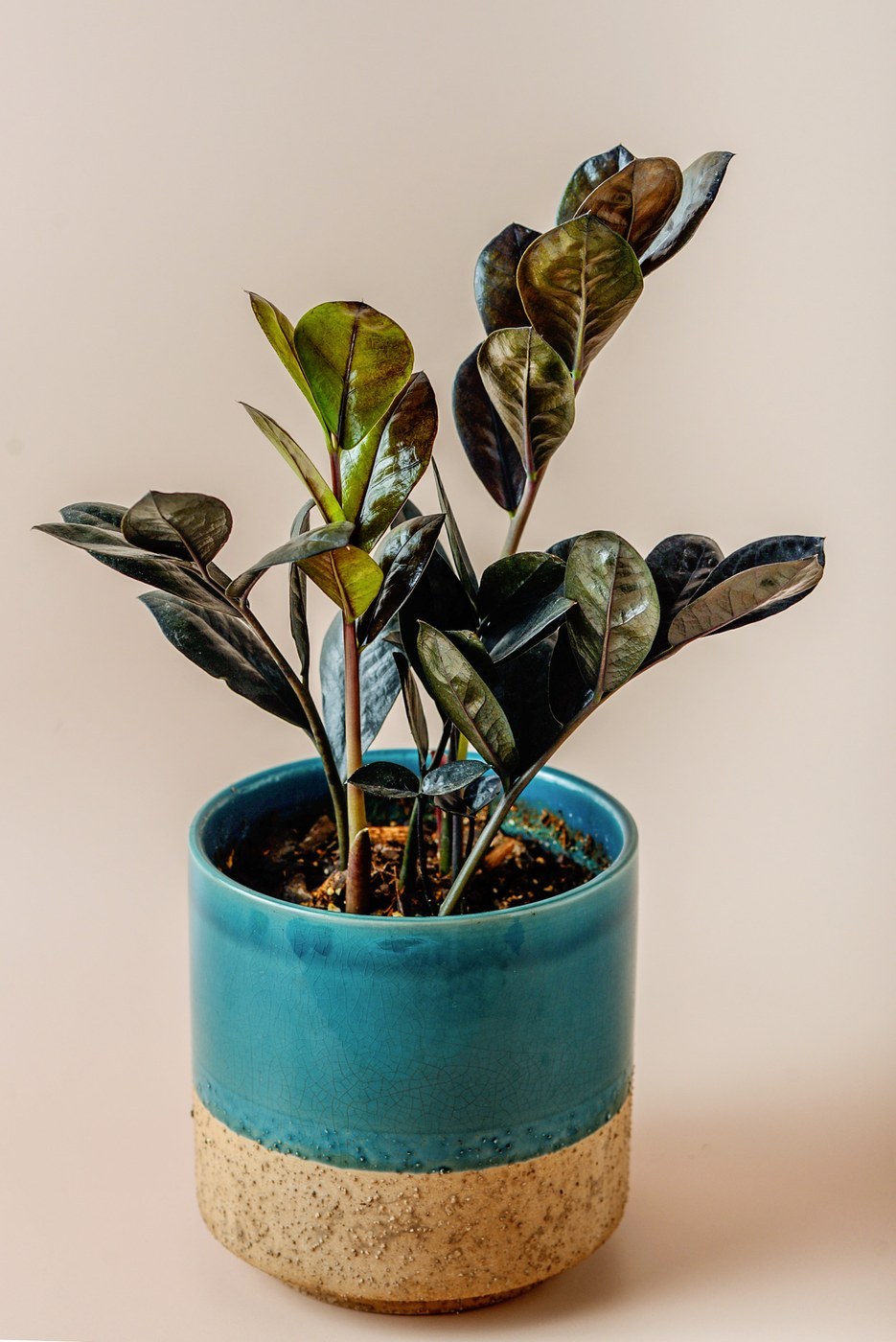
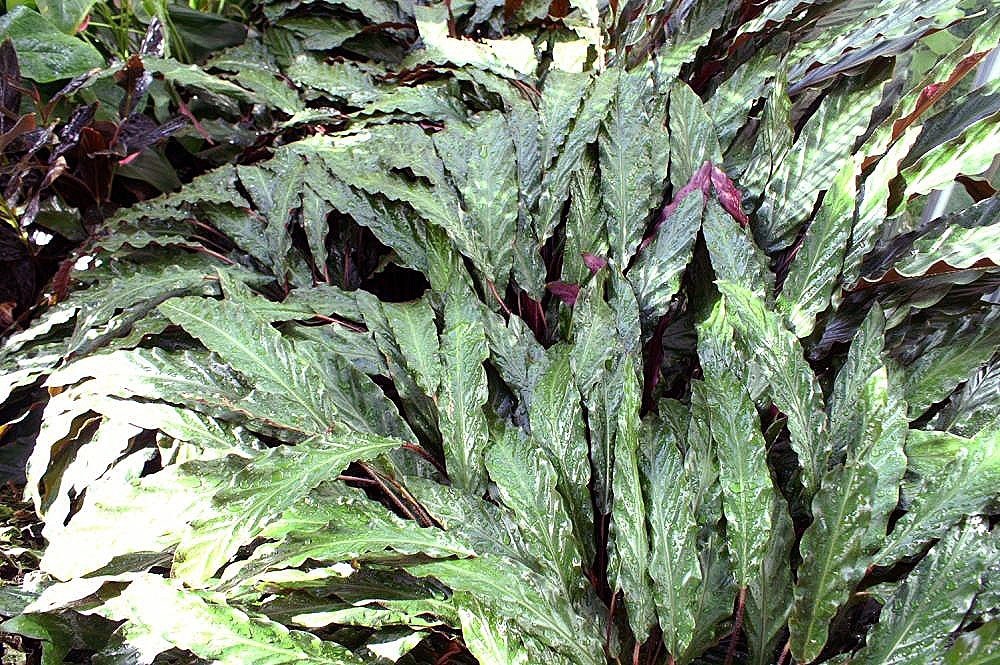
Peperomia Rosso is a striking cultivar of Peperomia caperata, one of the radiator plants. It forms a tidy rosette of glossy, ridged leaves that are dark green on top and rich red-maroon underneath.
The deeply corrugated leaf surface and bicolor contrast make it a favorite compact houseplant. Like other peperomias, it has semi-succulent stems and leaves that store water, so it forgives the occasional missed watering and stays small enough for any desk or shelf.
How to identify it
Recognize it by a low rosette of deeply rippled, two-tone leaves and occasional rat-tail flower spikes.
- Leaves: lance-shaped, deeply textured/corrugated, glossy dark green above, deep red-burgundy beneath
- Habit: compact, clumping rosette, typically under 8 in tall
- Stems: short, reddish, semi-succulent
- Flowers: thin, upright, greenish-white spikes (the typical peperomia 'rat-tail')
- Growth: slow and tidy
Care & growing
Light: Medium to bright indirect light keeps the colors rich; avoid direct sun.
Water: Water when the top half of the soil dries; its succulent leaves mean it tolerates drought better than soggy roots.
Soil: Light, airy, well-draining mix.
Temperature: 65-80F with average humidity.
Feeding: Diluted fertilizer occasionally in spring and summer.
Propagation: Easy from leaf or stem cuttings, similar to African violets; root in moist mix.
Habitat & origin
The parent species Peperomia caperata is native to the tropical forests of Brazil, where it grows on the forest floor and as a low epiphyte in humid, shaded conditions.
'Rosso' is a cultivated selection grown worldwide as a compact, easy houseplant suited to desks, shelves, and small spaces.
Frequently asked questions
Why are the leaves curling or drooping?
Often overwatering or root rot, but also possible underwatering. Check the soil; let it dry out more between waterings and ensure good drainage.
How big does it get?
It stays compact, usually under 8 inches tall and wide, growing slowly. It rarely outgrows a small pot.
Why are the colors fading?
Too little light dulls the contrast. Move it to a brighter spot with indirect light to keep the dark green and burgundy vivid.
What do the leaves look like?
They are lance-shaped and deeply corrugated, glossy dark green on top with a rich red-burgundy underside.
Peperomia Rosso guides
In-depth guides for identifying, growing, and caring for Peperomia Rosso.
How to Care for Peperomia Rosso
An easy, compact houseplant with deeply grooved green leaves and wine-red undersides that thrives in bright indirect light and infrequent watering.
Peperomia Rosso Identification Guide
Identify Peperomia Rosso (Peperomia caperata 'Rosso') by its deeply ridged green leaves with red undersides and rat-tail flower spikes. Includes look-alike tips.