Zebra Plant
Aphelandra squarrosa
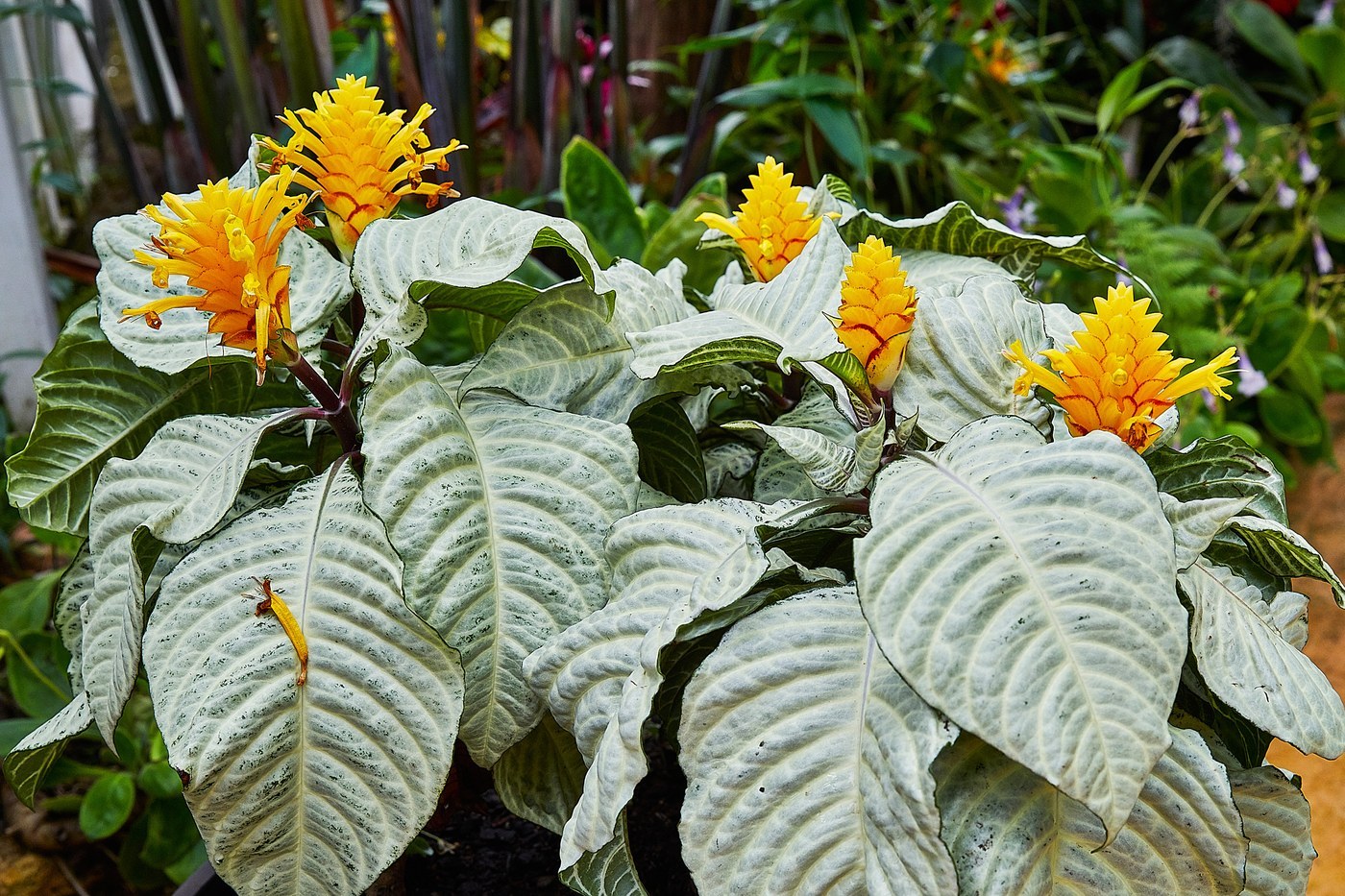
The zebra plant is a striking Brazilian houseplant prized for glossy dark leaves boldly striped in white and short-lived golden bract spikes. It is notoriously fussy about humidity and watering.
- Light
- Bright indirect light
- Water
- Keep evenly moist; never soggy
- Difficulty
- Hard
Got a plant like this?
Identify any plant from a photo, free.
Overview
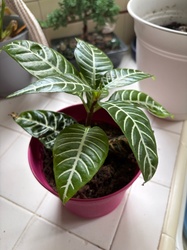
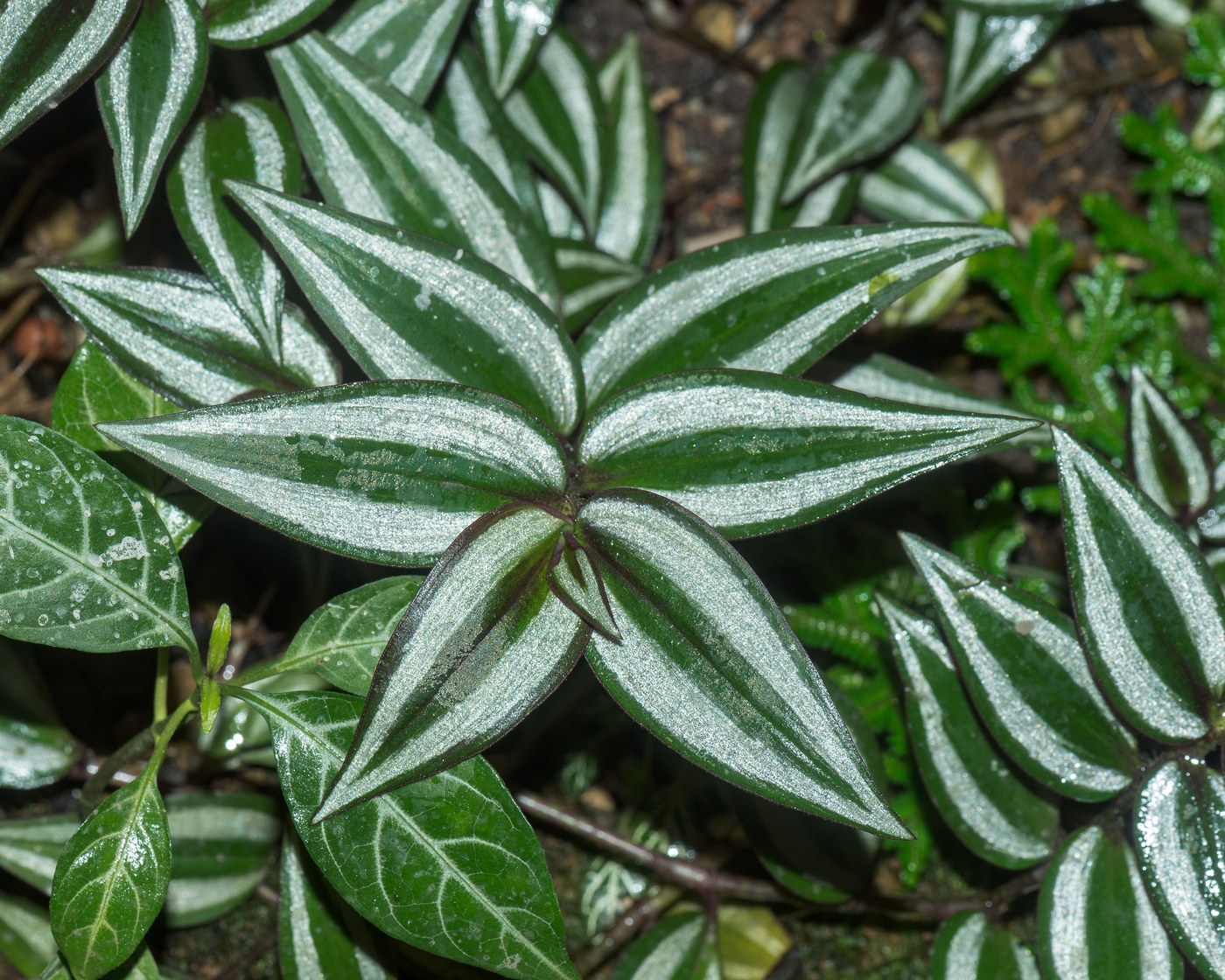
Aphelandra squarrosa is an evergreen subtropical shrub from the Atlantic forests of Brazil, grown indoors almost entirely for its dramatic foliage. The large, pointed leaves are deep emerald green with bright white or cream veins, creating the zebra-stripe effect that gives the plant its name.
In good conditions it produces a cone-shaped flower spike of overlapping yellow bracts, from which small tubular flowers briefly emerge. The bracts can stay colorful for weeks even after the true flowers fade.
Despite its beauty, it has a reputation as a temperamental plant that drops leaves at the slightest dryness, draft, or chill.
How to identify it
Look for a compact, upright shrub usually under 1-2 ft tall indoors with these features:
- Leaves: large (6-9 in), glossy, dark green, oval to lance-shaped with a pointed tip
- Veins: bold ivory-white midrib and lateral veins forming a striking zebra pattern
- Flower spike: a four-sided cone of bright yellow, overlapping bracts at the stem tip
- Flowers: small, tubular, yellow, emerging briefly from between the bracts
- Habit: bushy when young, becoming leggy and bare at the base with age
Care & growing
- Light: bright, indirect light; avoid direct midday sun, which scorches leaves
- Water: keep soil consistently moist but not waterlogged; never let it dry out fully
- Humidity: high (60%+) is essential; use a pebble tray, grouping, or humidifier
- Soil: rich, well-draining peat-based potting mix
- Temperature: warm, 65-75 degrees F; protect from drafts and cold
- Feeding: feed every 1-2 weeks in spring and summer with diluted liquid fertilizer
- Propagation: take softwood stem-tip cuttings in spring with bottom heat
Habitat & origin
The zebra plant is native to the warm, humid coastal rainforests of southeastern Brazil, where it grows in the dappled shade of the forest understory. These conditions of steady warmth, moisture, and filtered light explain its demanding indoor requirements.
Today it is grown worldwide as a houseplant and, in frost-free tropical climates, as a shaded garden shrub.
Frequently asked questions
Why is my zebra plant dropping its leaves?
Leaf drop is almost always caused by soil drying out, low humidity, cold drafts, or sudden temperature changes. Keep it evenly moist and humid in a warm, draft-free spot.
How do I get it to flower?
Give it bright indirect light, consistent warmth, regular feeding, and high humidity. Mature, well-fed plants typically bloom in late summer or fall.
How do I identify a zebra plant?
Look for large, glossy, dark green oval leaves marked with bold ivory-white veins, and a four-sided cone of bright yellow bracts at the stem tip.
Why does my plant look leggy?
Older zebra plants naturally lose lower leaves and become bare-stemmed. Cut the plant back hard after flowering to encourage bushier regrowth.
Zebra Plant guides
In-depth guides for identifying, growing, and caring for Zebra Plant.
How to Care for Zebra Plant
Grow the striking Aphelandra squarrosa indoors: bold striped foliage and golden bracts thrive with steady moisture, warmth, and humidity.
Zebra Plant Identification Guide
How to recognize the Zebra Plant (Aphelandra squarrosa) by its boldly white-veined dark leaves and dramatic yellow bract spikes.
Zebra Plant identified by the community
Real specimens identified with Plant Identifier.