Anthurium Warocqueanum
Anthurium warocqueanum
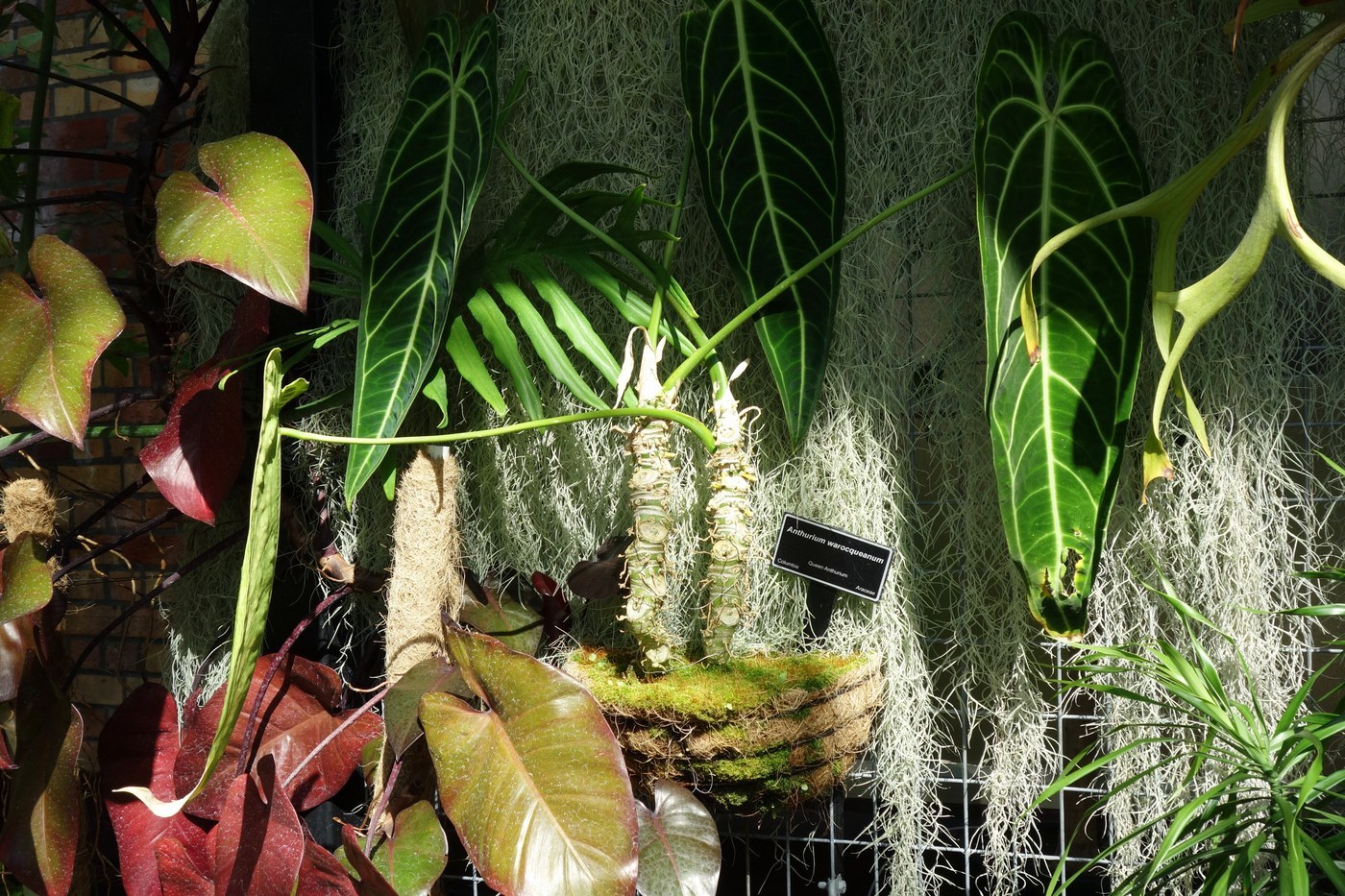
Known as the Queen Anthurium, this collector's aroid grows enormous, elongated velvety leaves with bold silvery-white veins. It is prized but demanding, needing high humidity and airy media.
- Light
- Bright indirect light
- Water
- Keep evenly moist
- Difficulty
- Hard
Got a plant like this?
Identify any plant from a photo, free.
Overview
Anthurium warocqueanum, the Queen Anthurium, is a prized collector's aroid from Colombia, famed for its spectacular foliage rather than flowers.
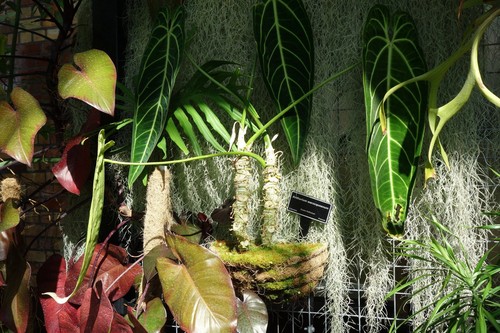
Its pendulous, strap-shaped leaves can reach several feet long, with a deep green, velvety surface dramatically contrasted by pale silvery-white veins. The texture and scale make it one of the most coveted velvet-leaf anthuriums.
It is an epiphytic plant that demands high humidity, warmth, and an extremely airy growing medium, earning a reputation as a challenging plant best suited to experienced growers or enclosed environments.
How to identify it
Key features to recognize the Queen Anthurium:
- Leaves: very long, narrow, strap-shaped, often pendulous, reaching 2-4+ feet
- Texture: velvety, matte dark green
- Veins: prominent, silvery-white, deeply contrasting
- Habit: epiphytic, growing from a central crown
- Inflorescence: a slender greenish spadix and spathe, inconspicuous compared to the foliage
Care & growing
Light: Bright, indirect light; never direct sun, which scorches the velvety leaves.
Water: Keep the medium evenly moist but never waterlogged; use clean, low-mineral water.
Soil: Very chunky, airy epiphytic mix of bark, sphagnum, perlite, and charcoal.
Temperature: 65-80F (18-27C); avoid cold and drafts.
Humidity: High, ideally 70%+; often grown in cabinets or greenhouses.
Feeding: Dilute fertilizer regularly during active growth.
Propagation: By division or stem cuttings from the crown; slow.
Habitat & origin
Native to the cloud forests of Colombia, where it grows as an epiphyte on tree trunks in cool, extremely humid, shaded montane conditions.
This cloud-forest origin explains its demand for high humidity, airflow, and well-aerated roots. Outside its range it is grown by collectors in controlled environments such as greenhouses and grow cabinets.
Frequently asked questions
Why is the Queen Anthurium considered difficult?
It demands consistently high humidity, warmth, airflow, and very airy roots, which are hard to maintain in average homes.
How big do its leaves get?
Mature plants can produce leaves several feet long, with reports exceeding four feet in ideal conditions.
What soil does it need?
A very chunky, airy epiphytic mix of bark, sphagnum, perlite, and charcoal that drains fast while holding humidity.
Anthurium Warocqueanum guides
In-depth guides for identifying, growing, and caring for Anthurium Warocqueanum.
How to Care for Anthurium Warocqueanum
Master the demanding Queen Anthurium with bright indirect light, high humidity, an airy aroid mix, and evenly moist roots for dramatic velvet leaves.
Anthurium Warocqueanum Identification Guide
Identify the Queen Anthurium (Anthurium warocqueanum) by its enormous, pendant, velvety dark-green leaves with striking silvery-white veins.