Brussels Sprouts
Brassica oleracea
Brussels sprouts are a cool-season brassica that produces dozens of small, cabbage-like buds along a tall central stalk. Slow to mature, they are a hallmark of autumn and winter gardens.
- Light
- Full sun
- Water
- Regular; keep evenly moist
- Difficulty
- Moderate
Got a plant like this?
Identify any plant from a photo, free.
Overview
Brussels sprouts are a cultivar group of Brassica oleracea (the Gemmifera group), the same species as cabbage, broccoli, kale and cauliflower. They are a leafy garden plant grown for the many miniature heads, or sprouts, that form in the leaf axils of a tall stem.
The plant develops slowly over a long, cool season.
Named for the region around Brussels where they were popularized, they are a defining plant of cool-climate gardens.
How to identify it
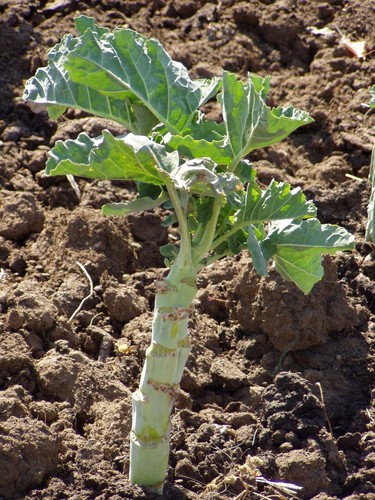
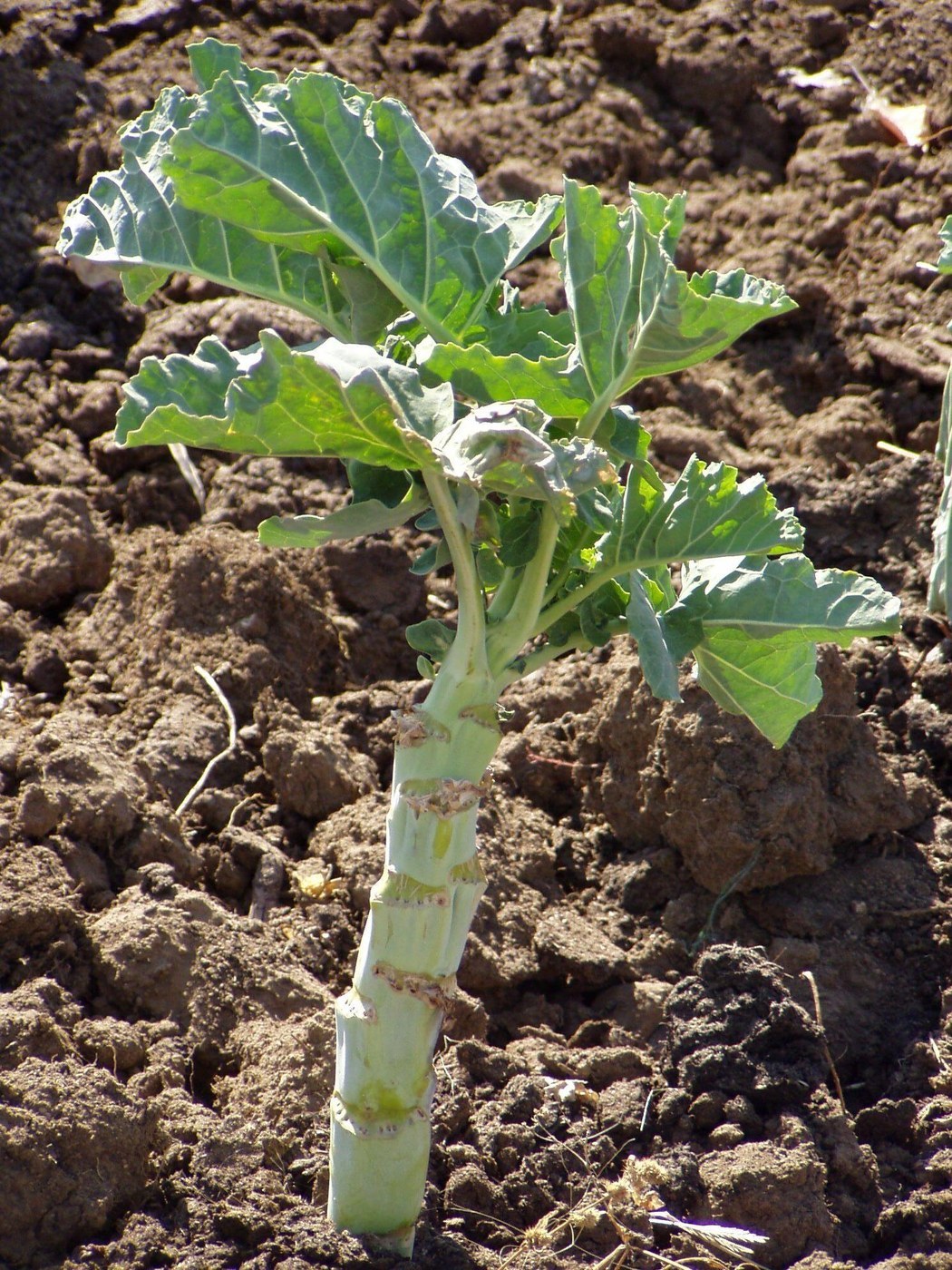
- Habit: Tall, single, sturdy stalk 60-90 cm (2-3 ft) tall topped with a loose rosette of leaves
- Sprouts: Numerous small, tight, cabbage-like buds spiraling up the stem in the leaf axils
- Leaves: Large, blue-green, rounded with prominent veins
- Roots: Shallow but anchoring; tall plants may need staking
- Flowers (second year): Yellow, four-petalled brassica blooms
Care & growing
Light: Full sun.
Water: Keep soil consistently moist; uneven watering causes loose, poor sprouts.
Soil: Firm, fertile, well-drained soil rich in organic matter; pH 6.5-7.5 helps deter clubroot.
Temperature: Cool-season plant; matures best in cool autumn weather.
Feeding: Heavy feeder; provide steady nitrogen but avoid late high-nitrogen feeds that loosen sprouts.
Propagation: From seed started in late spring for autumn-to-winter maturity. Stake tall plants in exposed sites.
Habitat & origin
Like all Brassica oleracea plants, Brussels sprouts descend from wild cabbage native to the coasts of western and southern Europe.
The sprout form was developed and popularized in the region around Brussels, Belgium, by the 16th-18th centuries. They are now widely grown in cool-temperate climates, especially across northern Europe, the United Kingdom and North America.
Frequently asked questions
Why are my sprouts loose and leafy instead of tight?
Loose sprouts come from loose soil, too much nitrogen or heat. Firm the soil at planting and avoid late high-nitrogen feeding.
How tall do Brussels sprout plants grow?
They form a single sturdy stalk typically 60-90 cm (2-3 ft) tall, topped with a loose rosette of large blue-green leaves, with the small buds spiraling up the stem.
What do the flowers look like?
If left into a second year, the plant produces tall stems of yellow, four-petalled flowers typical of the brassica family.
What growing conditions do they prefer?
They are a cool-season plant that does best in full sun with firm, fertile, consistently moist soil through a long, cool autumn.
Brussels Sprouts guides
In-depth guides for identifying, growing, and caring for Brussels Sprouts.