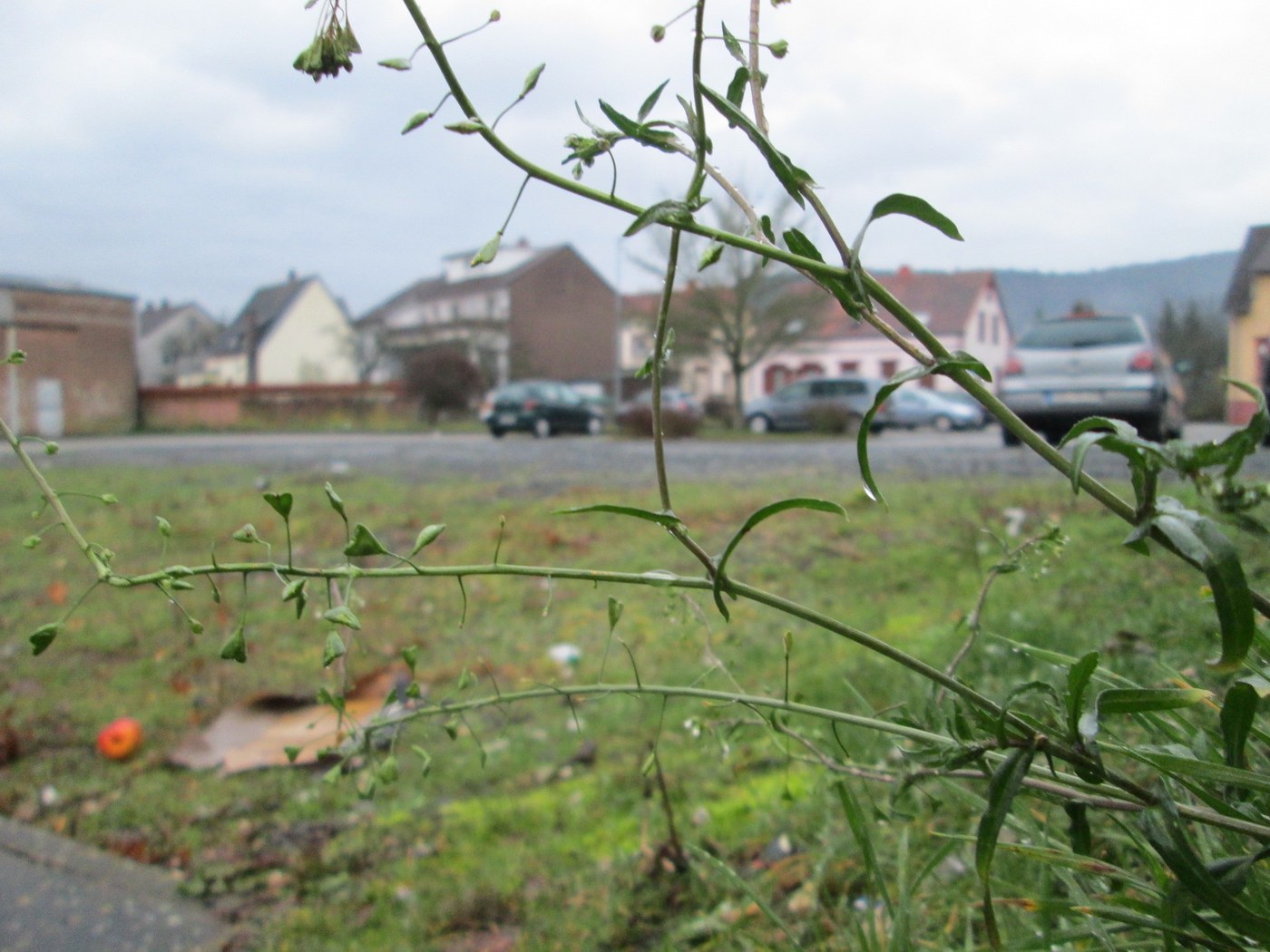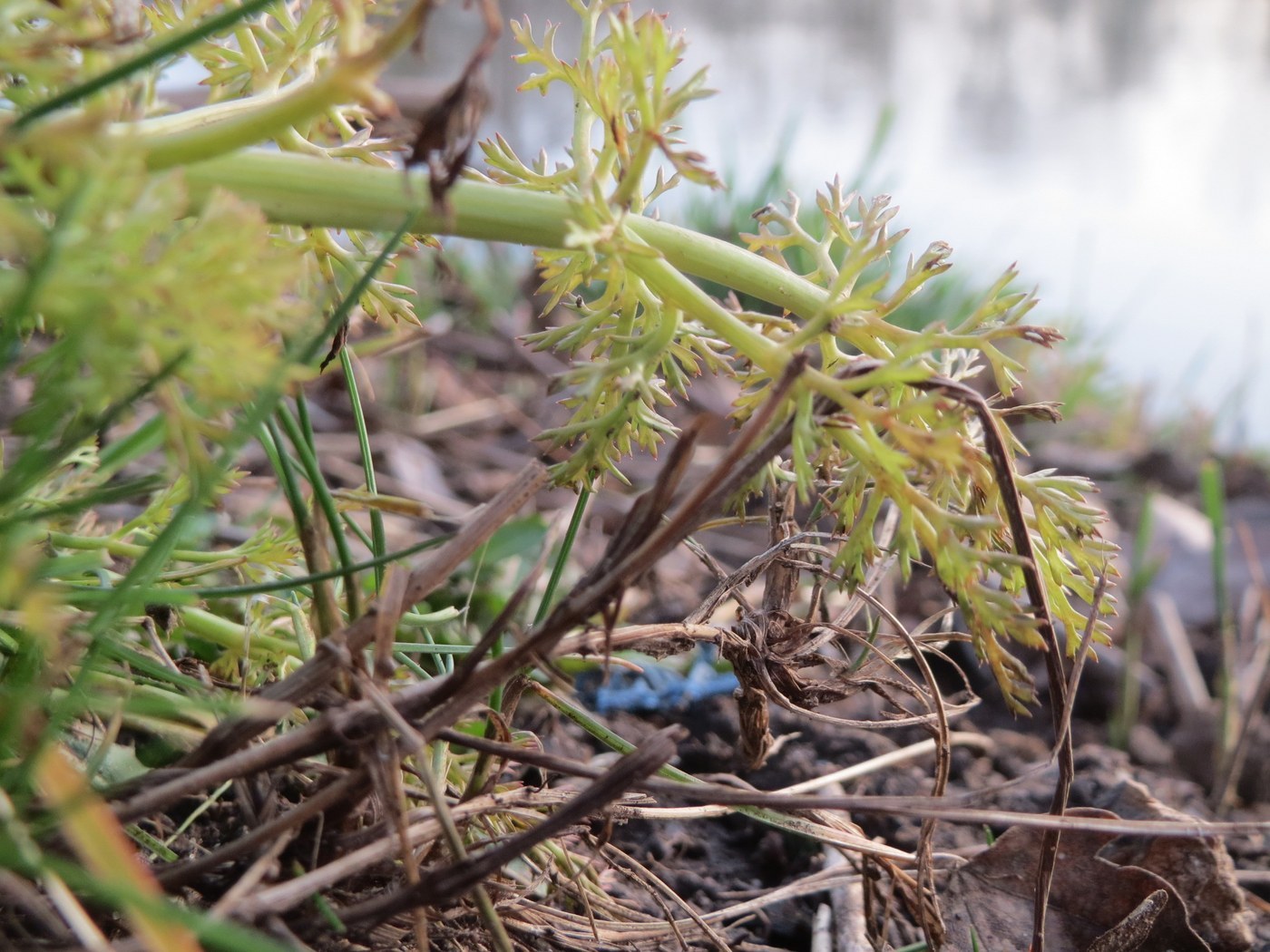
Dill
Anethum graveolens
Dill is a feathery, aromatic annual herb in the carrot family, grown in herb gardens for its delicate foliage and oval seeds.
- Light
- Full sun
- Water
- Moderate; keep evenly moist
- Difficulty
- Easy
Got a plant like this?
Identify any plant from a photo, free.
Overview
Dill is an aromatic annual herb in the carrot family, grown as a garden herb for its delicate feathery foliage (dill weed) and its flat, oval seeds.
The plant grows quickly, sending up hollow stems topped with airy umbels of tiny yellow flowers. It self-seeds readily and can naturalize in the garden.
Dill is also a valuable pollinator and beneficial-insect plant, and a host for swallowtail butterfly larvae.
How to identify it
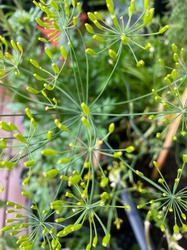
Dill is identified by its wispy blue-green foliage and yellow flower umbels.
- Leaves: Finely divided, thread-like, blue-green and feathery, with a fresh aroma
- Stems: Hollow, smooth, upright and branching
- Flowers: Tiny yellow blooms in large flat-topped umbels
- Seeds: Small, flat, oval, ribbed and aromatic
- Height: Reaches 40-120 cm (1.5-4 ft) tall
Care & growing
Dill is fast and easy from seed but dislikes being moved.
- Light: Full sun for sturdy growth
- Water: Keep soil evenly moist, especially in warm weather to delay bolting
- Soil: Light, well-drained, moderately fertile soil
- Temperature: Cool-season friendly; bolts quickly in summer heat
- Feeding: Minimal; overly rich soil reduces its aromatic oils
- Propagation: Sow seed directly where it is to grow, as dill resents transplanting due to its taproot. Sow in succession for a continuous leaf supply; let some plants flower for seed.
Habitat & origin
Dill is native to the eastern Mediterranean and western Asia and has been cultivated since antiquity. It has naturalized in many temperate regions, often appearing in fields and along roadsides.
It is grown in herb and vegetable gardens worldwide and commercially for fresh herb, seed and essential-oil markets. It does especially well in cool to mild climates with full sun.
Frequently asked questions
Should I grow dill from seed or transplant?
Sow it directly where it will grow. Dill develops a taproot and dislikes being transplanted, which often triggers premature bolting.
Why does my dill flower so quickly?
Heat and stress cause dill to bolt. Keep it well watered, grow it in the cooler parts of the season, and sow in succession for a steady leaf supply.
Can dill and fennel be grown together?
It is best to keep them apart. They can cross-pollinate, and both attract similar pests.
How do I recognize dill in the garden?
Look for fine, thread-like blue-green feathery foliage, hollow upright stems, and tiny yellow flowers held in large flat-topped umbels.
Dill guides
In-depth guides for identifying, growing, and caring for Dill.
How to Care for Dill
Dill is a fast, easy annual with airy, feathery foliage and lacy yellow flower umbels — give it full sun and evenly moist soil.
Dill Identification Guide
Recognize dill by its feathery thread-like blue-green foliage, hollow ridged stems, and large yellow flower umbels. Includes how to distinguish it from fennel and hemlock relatives.
Dill identified by the community
Real specimens identified with Plant Identifier.