Flame Violet
Episcia cupreata
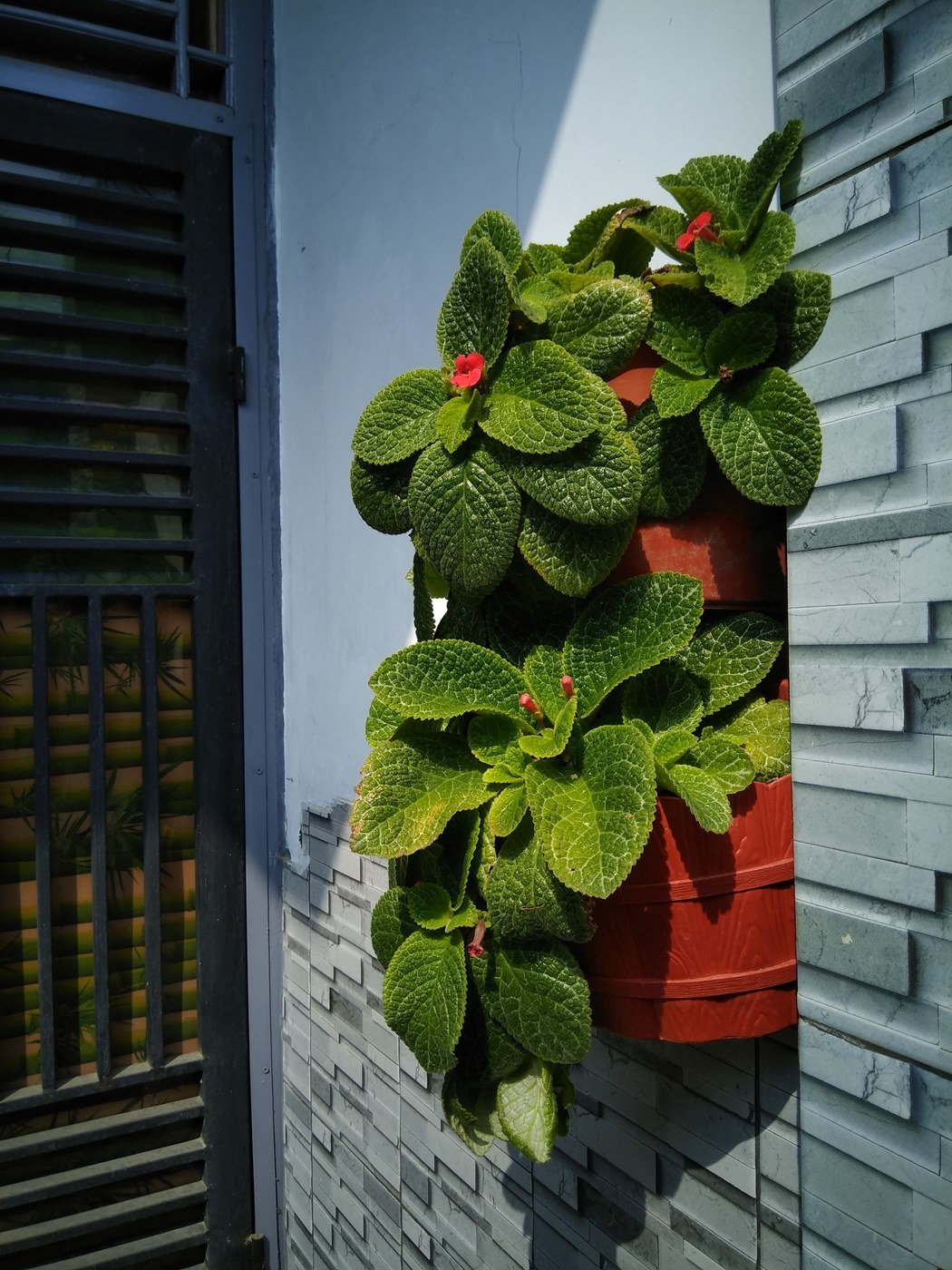
The Flame Violet is a trailing tropical plant grown for both its velvety, metallic-patterned leaves and its vivid red-orange flowers. A relative of the African violet, it spreads by runners to form a lush carpet.
- Light
- Bright indirect light
- Water
- Keep lightly moist
- Difficulty
- Moderate
Got a plant like this?
Identify any plant from a photo, free.
Overview
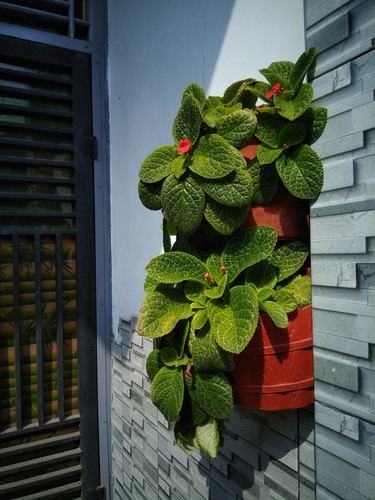
Flame Violet, Episcia cupreata, is a creeping tropical plant in the gesneriad family (Gesneriaceae), making it a relative of the African violet. It is grown for its richly textured, often coppery or silver-veined leaves and its bright tubular red-orange flowers.
It spreads by sending out stolons (runners) that root where they touch soil, forming a dense ground cover or spilling attractively from hanging baskets. It loves warmth and humidity, much like its rainforest home.
How to identify it
Recognize the Flame Violet by:
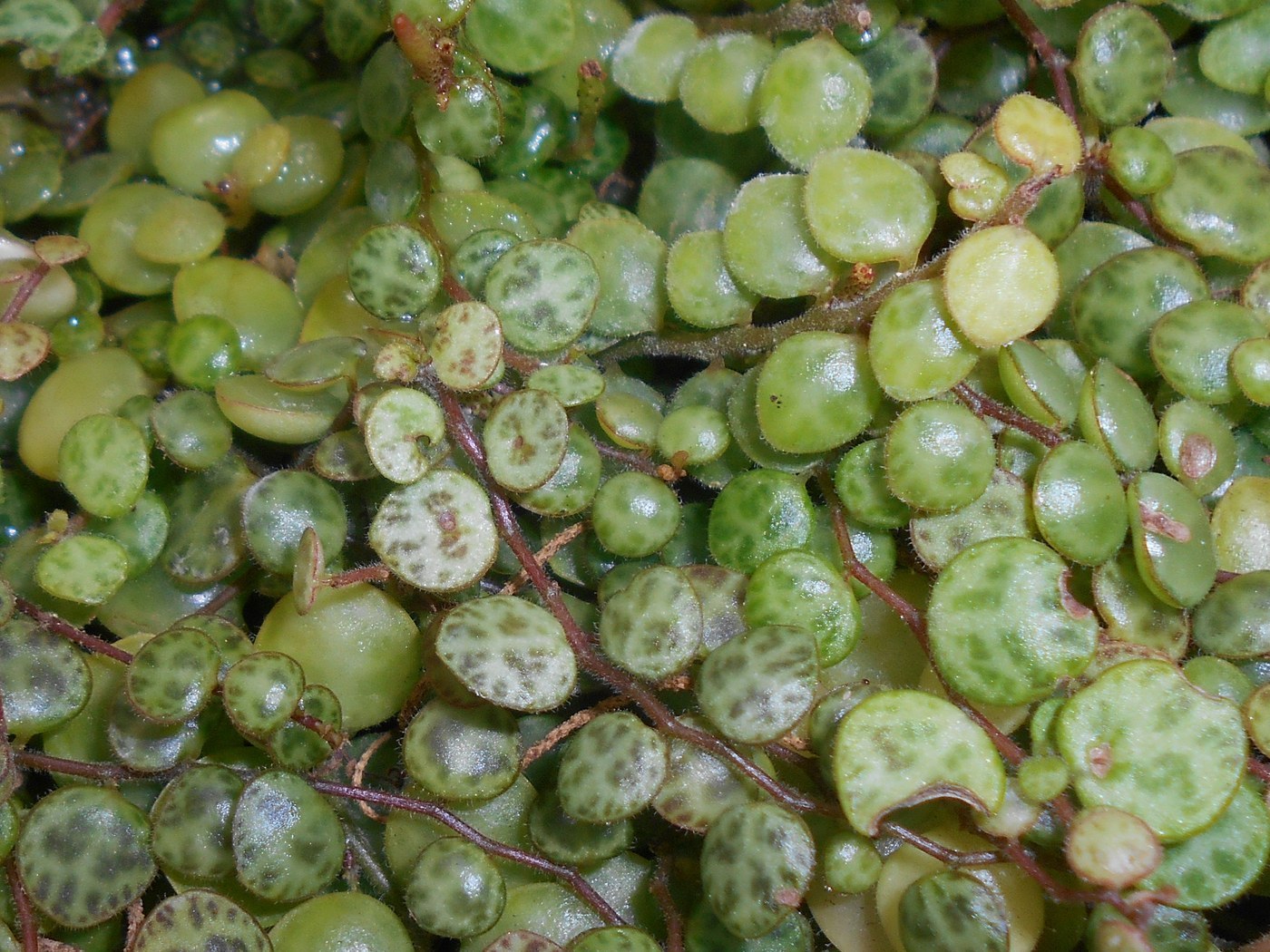
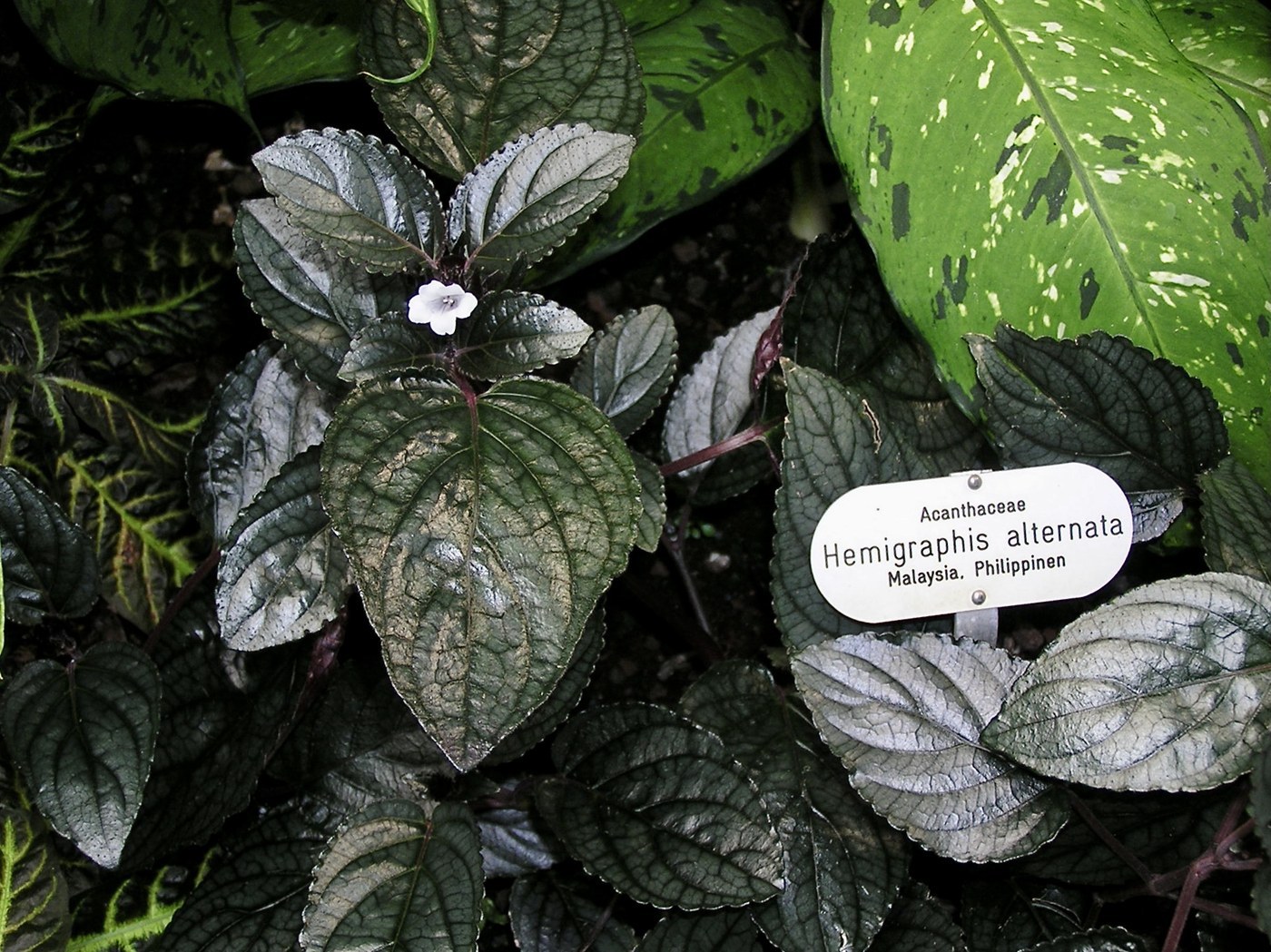
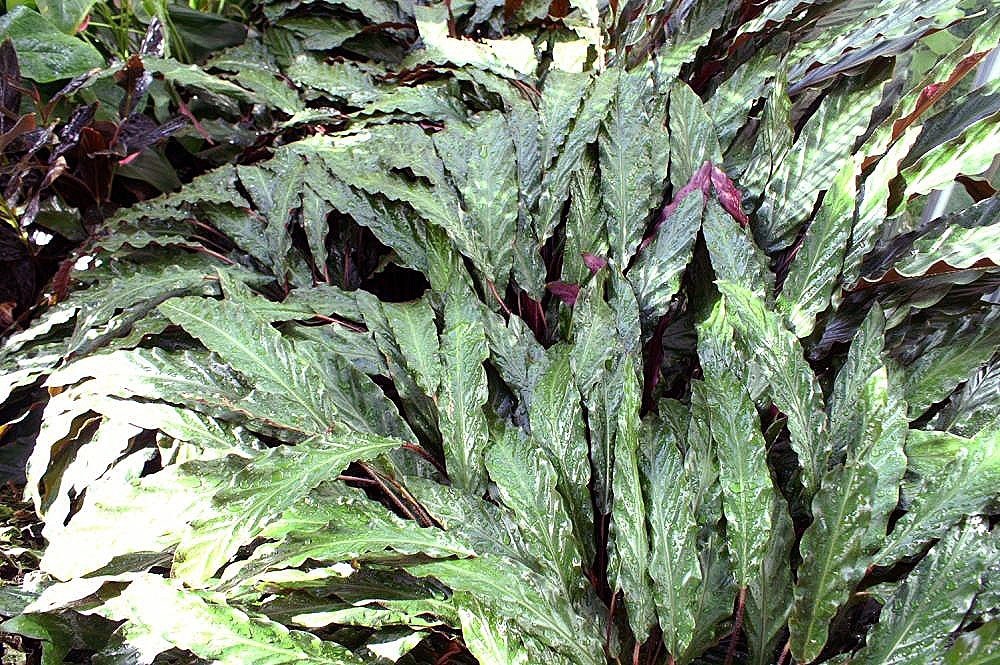
- Leaves: oval, velvety, quilted, often coppery, bronze, or green with silver or pale veining
- Flowers: small, tubular, typically bright red to orange (some varieties pink or yellow)
- Runners (stolons): trailing stems that root at the nodes, forming new plantlets
- Habit: low, spreading, mat-forming or trailing
- Texture: soft, fuzzy leaf surface similar to an African violet
Care & growing
Light: Bright, indirect light encourages flowering; avoid direct sun.
Water: Keep lightly and evenly moist; avoid letting it dry out fully or sit soggy. Use room-temperature water and avoid wetting the fuzzy leaves excessively.
Soil: Light, well-draining, humus-rich mix.
Temperature: Warm, 65-80°F (18-27°C); sensitive to cold.
Humidity: Prefers high humidity; benefits from a pebble tray or terrarium.
Feeding: Diluted fertilizer regularly during the growing season.
Propagation: Easy — root the plantlets that form on runners, or take stem cuttings.
Habitat & origin
Native to the tropical rainforests of Central and South America, including Colombia, Venezuela, and Brazil, where it grows on the warm, humid, shaded forest floor.
It is grown worldwide as a houseplant, hanging-basket plant, and terrarium specimen, thriving where warmth and humidity can be maintained.
Frequently asked questions
Is the Flame Violet related to the African violet?
Yes. Both belong to the gesneriad family (Gesneriaceae), and they share similar care needs, though the Flame Violet trails by runners.
Why won't my Flame Violet bloom?
Lack of flowers is usually due to insufficient light or low humidity. Provide bright indirect light, warmth, and steady humidity to encourage blooming.
How do I propagate it?
Pin down the plantlets that form on its runners until they root, or root stem cuttings in moist soil. It propagates very easily.
Flame Violet guides
In-depth guides for identifying, growing, and caring for Flame Violet.
How to Care for Flame Violet
Grow Flame Violet (Episcia cupreata): a trailing gesneriad with velvety, coppery leaves and vivid orange-red flowers for warm, humid spots.
Flame Violet Identification Guide
Identify the Flame Violet (Episcia cupreata), a trailing African-violet relative with velvety, metallic-veined leaves and bright orange-red flowers.