Horseweed
Erigeron canadensis
Horseweed is a tall, weedy native annual with a single bristly stalk topped by clouds of tiny flowers; it is a prolific seeder and one of the first weeds to evolve widespread herbicide resistance.
- Light
- Full sun
- Water
- Low; drought-tolerant
- Difficulty
- Easy
Got a plant like this?
Identify any plant from a photo, free.
Overview
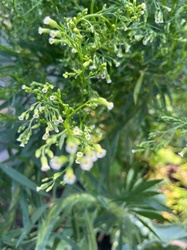
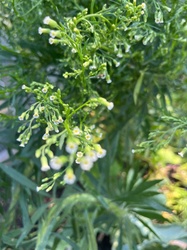
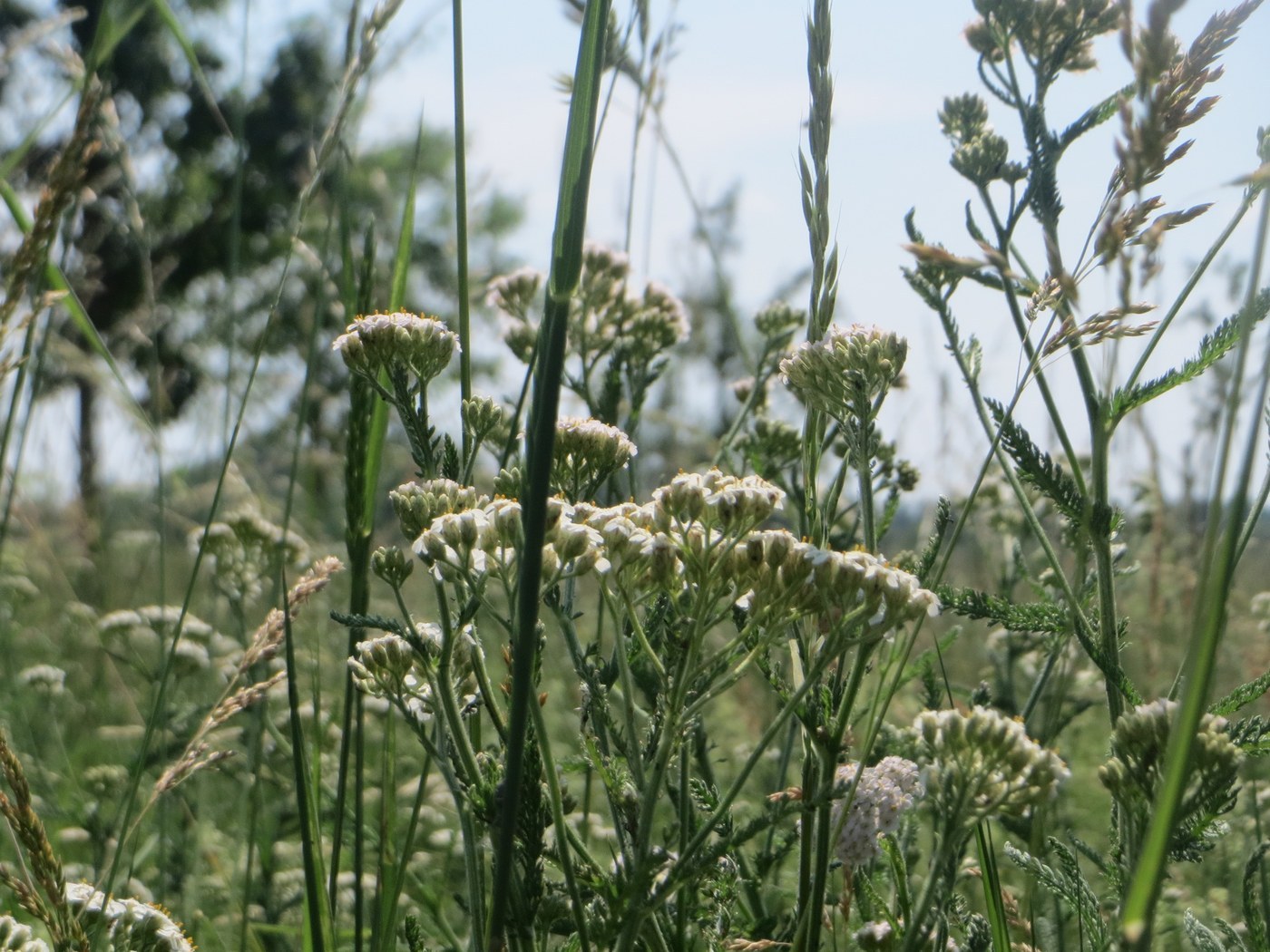
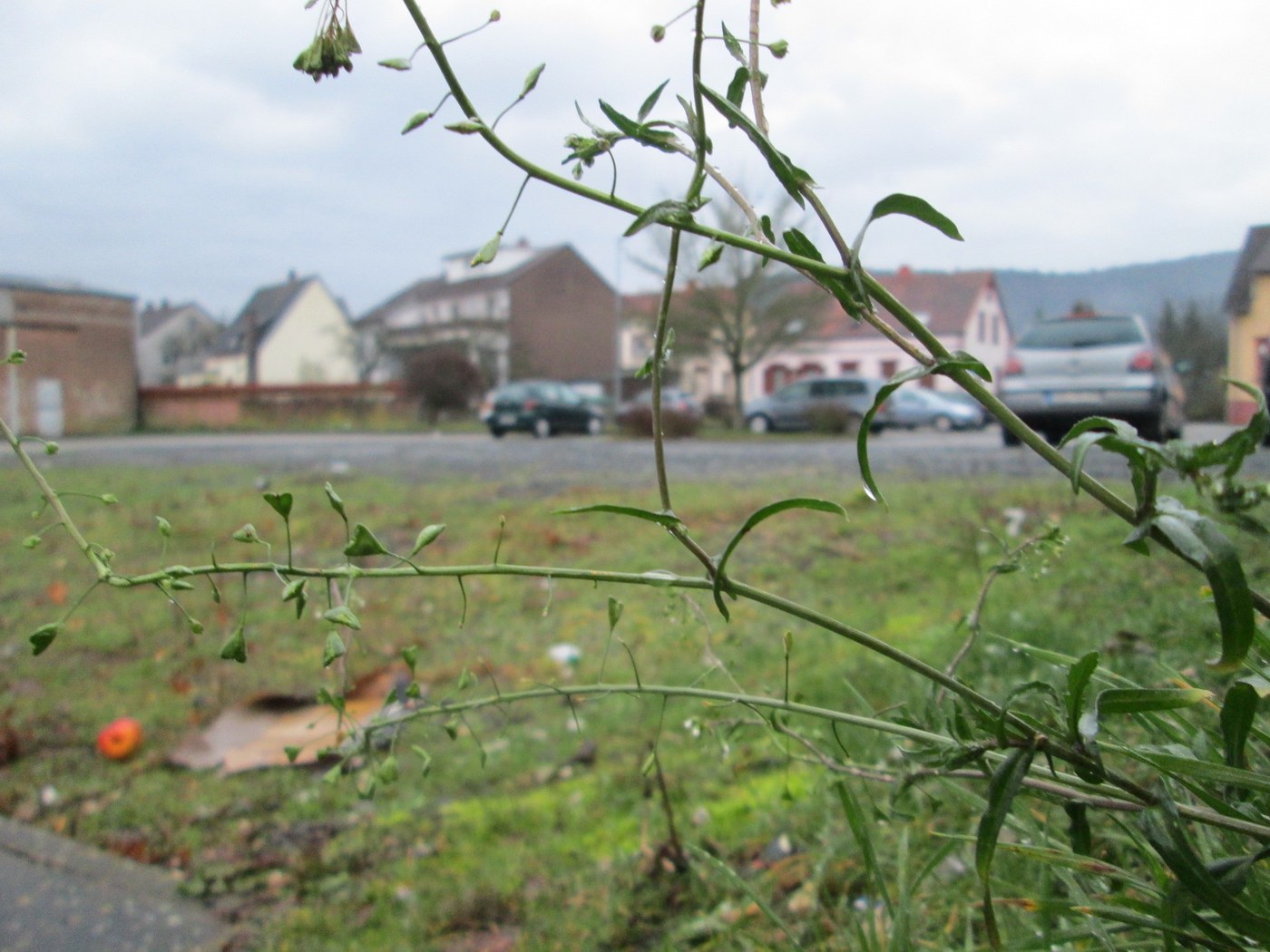
Horseweed (Erigeron canadensis, formerly Conyza canadensis), also called marestail, is an annual in the aster family native to North America. It typically grows as a single erect, bristly stem topped by a much-branched cluster of small, inconspicuous flower heads.
A classic weed of disturbed ground and no-till cropland, horseweed produces enormous numbers of wind-dispersed seeds and was among the first weeds to develop resistance to glyphosate herbicide, making it a major agricultural concern.
How to identify it
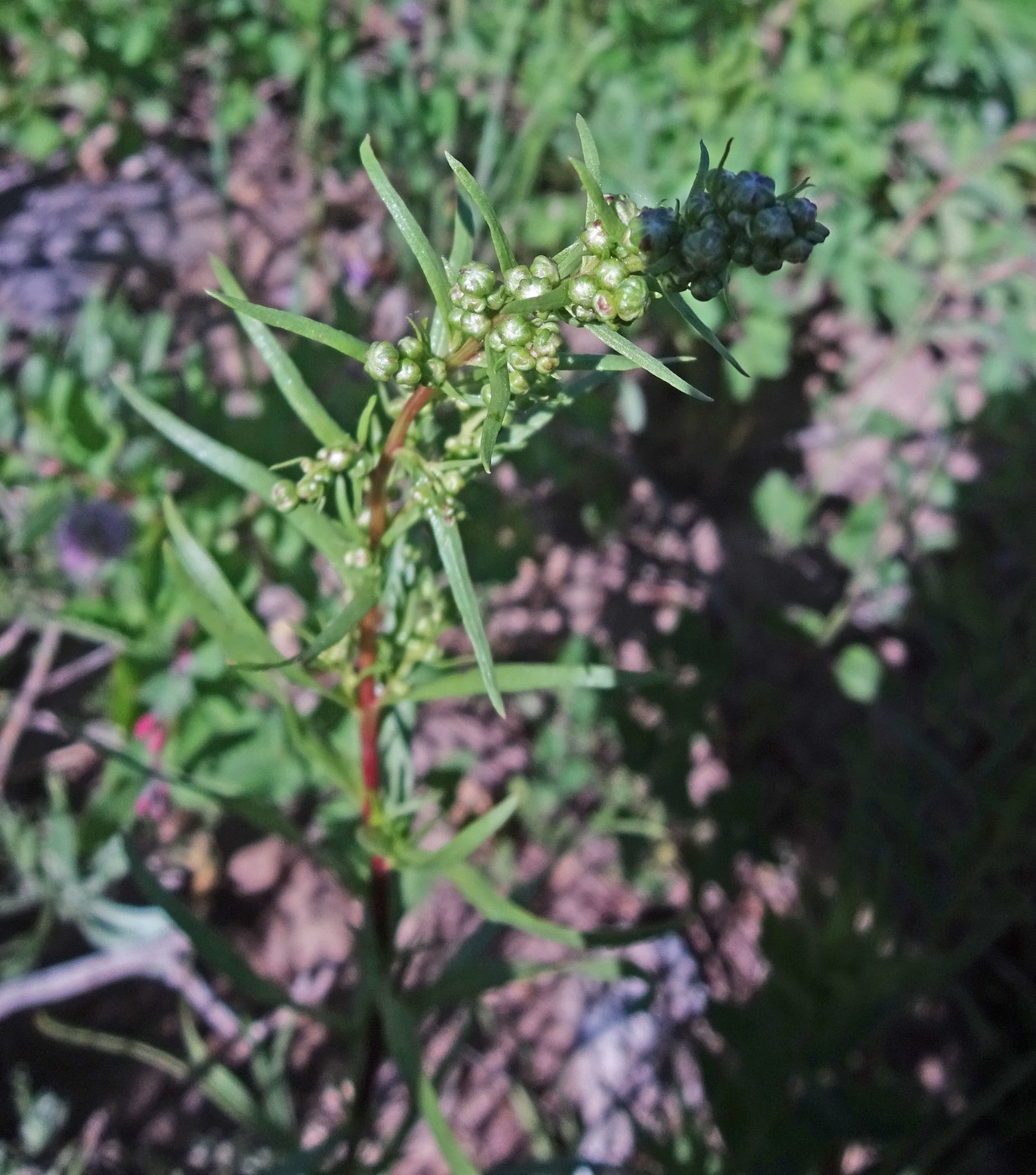
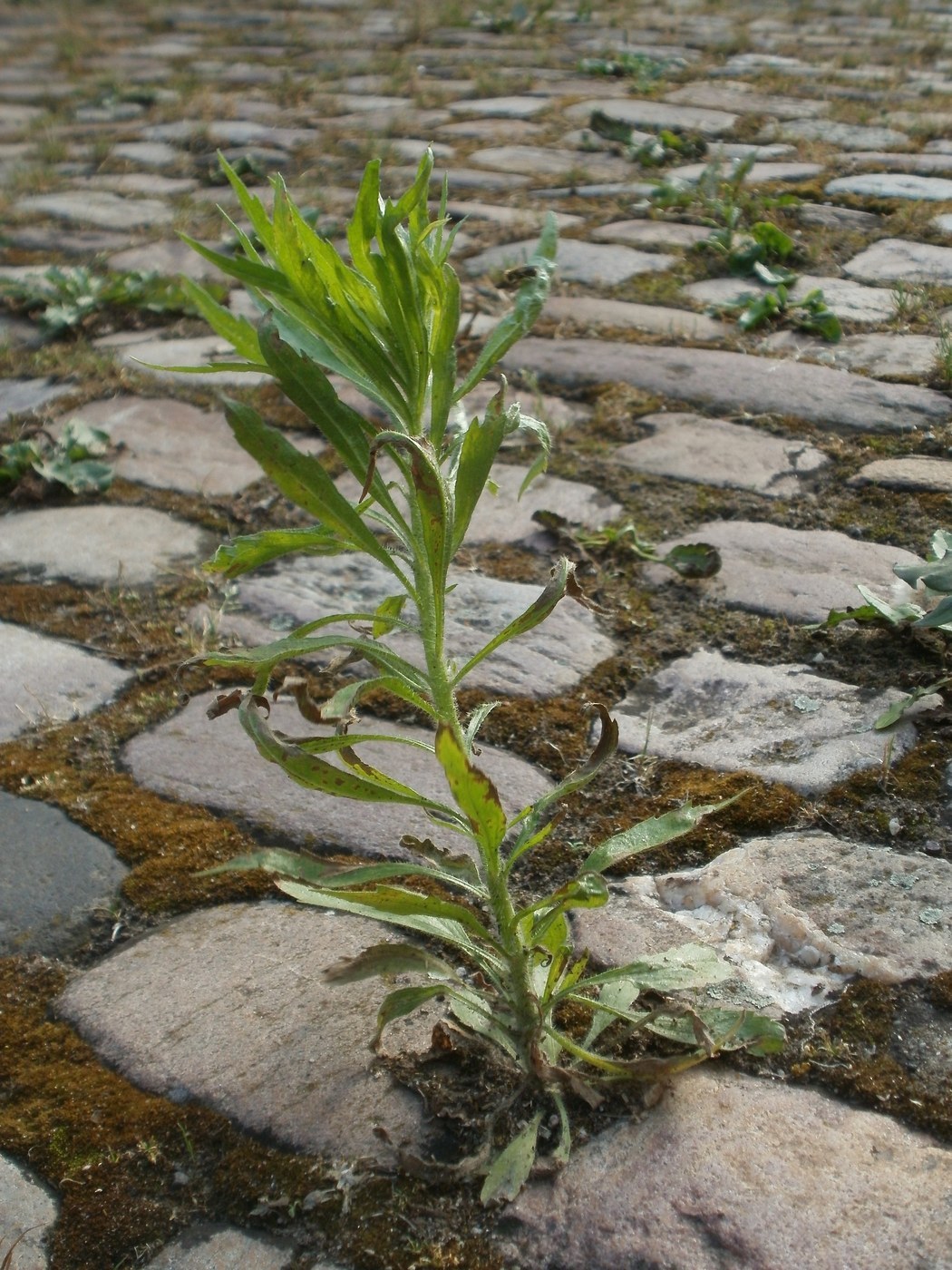
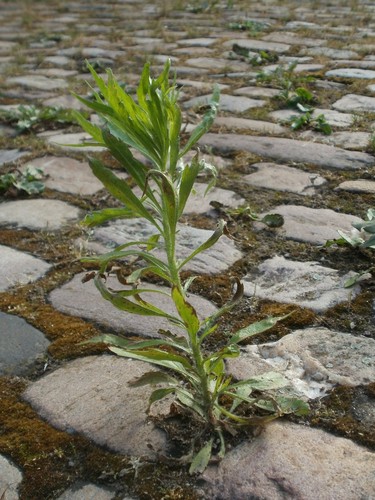
An erect annual ranging from 30 cm to over 2 m tall, usually unbranched until the flowering top.
- Stem: single, upright, rough with stiff hairs (bristles)
- Leaves: numerous, narrow, lance-shaped, hairy, crowded along the stem with little or no stalk
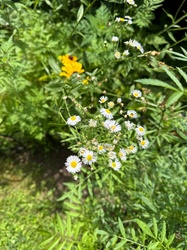
- Flowers: many tiny heads with greenish-white rays in a large, branched, terminal cluster
- Seeds: tiny with a tuft of bristles (pappus), dispersed in great quantity by wind
Care & growing
Not cultivated; managed as a weed.
- Light: full sun
- Water: drought-tolerant; thrives on dry, disturbed soils
- Soil: tolerates poor, compacted and disturbed ground
- Temperature: germinates as a fall or spring annual depending on region
- Propagation: by abundant wind-blown seed
Control young rosettes early by cultivation or herbicide; because of widespread glyphosate resistance, integrated tactics — cover crops, tillage and alternative herbicides — are recommended.
Habitat & origin
Native to North and Central America, horseweed has spread as a weed worldwide. It colonizes disturbed, open ground — fields, no-till cropland, roadsides, construction sites, fallow land and waste places.
It is an early colonizer of bare soil and a significant weed in conservation-tillage farming systems.
Frequently asked questions
Why is horseweed hard to control?
It produces vast numbers of wind-dispersed seeds and has evolved resistance to glyphosate and some other herbicides, so it requires integrated, multi-tactic management.
Is horseweed the same as marestail?
Yes — marestail is just another common name for the same plant, Erigeron canadensis.
When should I control horseweed?
Target it early, at the small rosette stage in fall or spring, before it bolts into a tall stem that is far harder to kill.
Is horseweed native?
Yes, it is native to North and Central America, though it has since spread as a weed across much of the world.
Horseweed guides
In-depth guides for identifying, growing, and caring for Horseweed.
How to Care for Horseweed
Grow horseweed (Erigeron canadensis), an extremely tough, upright annual that thrives on full sun, poor soil and near-total neglect.
Horseweed Identification Guide
Identify horseweed (Erigeron canadensis), a tall, slender annual with a single bristly-hairy stem, crowded narrow leaves, and a top spray of tiny greenish-white rayless flower heads. Includes look-alike comparisons.
Horseweed identified by the community
Real specimens identified with Plant Identifier.