Hosta
Hosta plantaginea
The premier foliage perennial for shade, grown for bold mounds of ribbed leaves in greens, blues, golds, and variegated patterns. Lavender or white flower spikes are a summer bonus.
- Light
- Partial to full shade
- Water
- Keep soil consistently moist
- Difficulty
- Easy
Got a plant like this?
Identify any plant from a photo, free.
Overview
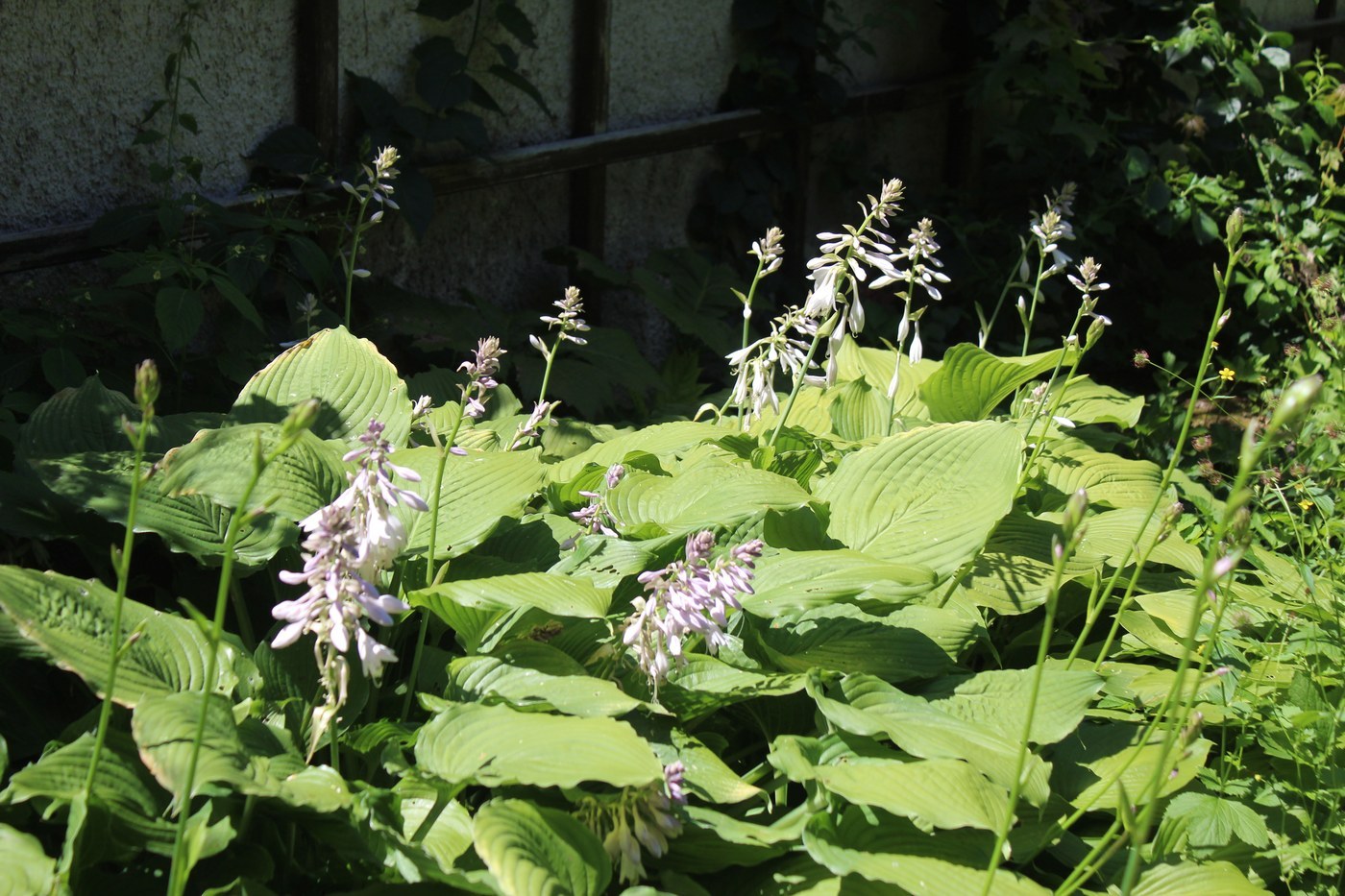
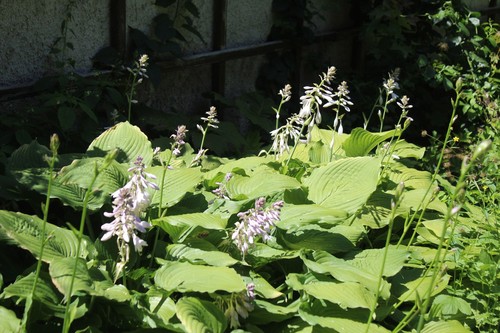
Hostas are the workhorses of the shade garden, valued far more for their lush, sculptural foliage than their flowers. A single clump can range from a few inches to several feet across, and leaf colors span deep blue-green, chartreuse, and countless variegated combinations.
They are clump-forming, herbaceous perennials that die back in winter and re-emerge reliably each spring. Thousands of registered cultivars exist, differing in size, leaf texture, and color.
Easy and long-lived, hostas form the structural backbone of woodland and shade plantings, though gardeners battle their chief enemies: slugs, snails, and browsing deer.
How to identify it
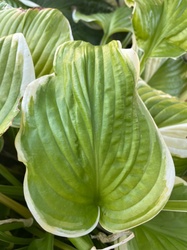
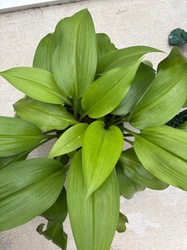
- Leaves: Broad, heart- to lance-shaped with prominent parallel veins; smooth, puckered, or wavy; in green, blue, gold, or variegated patterns
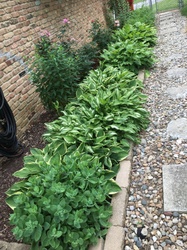
- Habit: Tidy mounding clump, from 6 in. miniatures to 3+ ft giants
- Flowers: Tubular lavender, purple, or white blooms on tall scapes in summer; some (like H. plantaginea) are fragrant
- Growth: Emerges as pointed shoots in spring, dies back to the ground in winter
Care & growing
Light: Partial to full shade; blue varieties especially need shade, while gold types tolerate more sun. Too much sun scorches leaves.
Water: Keep soil evenly moist; hostas dislike drying out, particularly in heat.
Soil: Rich, well-drained, humus-heavy soil with consistent moisture.
Temperature: Hardy in USDA zones 3-8; needs winter chill for dormancy.
Feeding: A spring application of balanced fertilizer or compost supports lush leaves.
Propagation: Divide clumps in spring or early fall. Watch for slugs and snails, which chew holes in the foliage.
Habitat & origin
Hostas are native to East Asia, especially Japan, Korea, and China, where they grow in woodland clearings, shaded slopes, and along streams.
Introduced to the West in the 1800s, they have become one of the most widely planted shade perennials in temperate gardens across North America and Europe.
Frequently asked questions
Can hostas grow in full sun?
Most prefer shade and will scorch in full sun, but some thick-leaved gold and green varieties tolerate morning sun if kept consistently moist. Blue hostas need the most shade.
How do I stop slugs from eating my hostas?
Reduce moisture around the crown, use slug bait or copper barriers, and choose thick, heavily textured cultivars that slugs find harder to chew.
Why are the edges of my hosta leaves brown?
Brown, crispy edges usually mean too much sun or insufficient water. Move to more shade and keep the soil evenly moist.
Do hostas come back every year?
Yes, they are hardy perennials that die back in winter and reliably re-emerge each spring, growing larger over time.
Hosta guides
In-depth guides for identifying, growing, and caring for Hosta.
Hosta identified by the community
Real specimens identified with Plant Identifier.