Marshmallow
Althaea officinalis
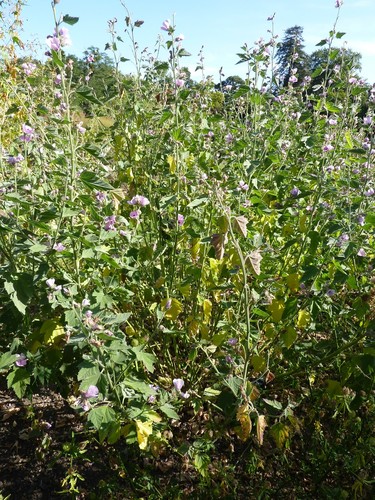
Marshmallow is a soft, downy wetland perennial in the mallow family, with velvety gray-green foliage and pale pink to white flowers. It grows in damp meadows and along riverbanks.
- Light
- Full sun to part shade
- Water
- High; prefers moist soil
- Difficulty
- Easy
Got a plant like this?
Identify any plant from a photo, free.
Overview
Marshmallow (Althaea officinalis) is a perennial herb in the mallow family (Malvaceae), native to the salt marshes, damp meadows and riverbanks of Europe, North Africa and western Asia.
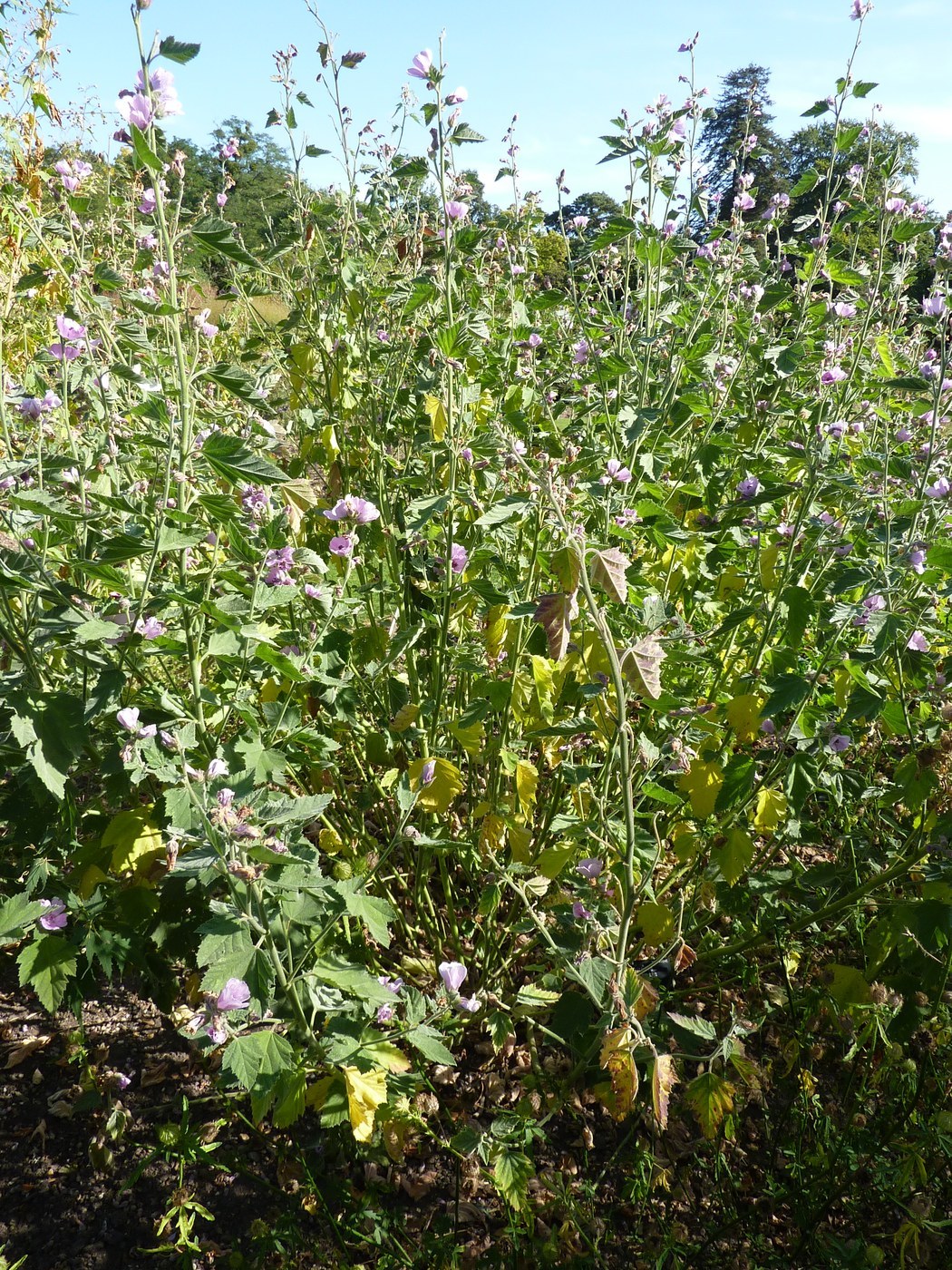
It forms erect, downy stems 1-2 m tall, clothed in soft, velvety gray-green leaves, with pale pink to white flowers appearing in summer. Its thick white taproot and overall soft, hairy texture are characteristic.
Gardeners grow it in moist borders, bog gardens and herb beds, choosing damp sites that suit its wetland nature.
How to identify it
- Flowers: pale pink to white, five-petaled, about 3-5 cm across, clustered in the upper leaf axils in summer
- Leaves: soft, grey-green, velvety and downy on both sides, ovate with shallow lobes and toothed edges
- Stems: erect, downy, 1-2 m tall
- Roots: thick, white, fleshy taproot
- Habit: clumping perennial with a soft, hairy overall texture
Care & growing
Light: Full sun to partial shade.
Water: Prefers consistently moist soil and tolerates damp, even occasionally waterlogged, ground; reflects its marshland origins.
Soil: Moist, fertile soil; tolerates some salinity.
Temperature: Hardy through about USDA zones 3-9; dies back in winter.
Feeding: Light feeding or compost in spring is plenty.
Propagation: Sow seed (cold stratification helps) or divide established roots in autumn.
Habitat & origin
Native to Europe, North Africa and western Asia, marshmallow grows in salt marshes, the upper edges of tidal flats, damp meadows, ditches and riverbanks. It has naturalized in parts of North America.
Gardeners grow it in moist borders, bog gardens and herb beds, choosing damp sites that suit its wetland nature.
Frequently asked questions
What growing conditions does marshmallow need?
As a marsh plant it likes consistently moist, fertile soil in sun or part shade and tolerates damp, even slightly salty, ground.
How do I identify marshmallow?
Look for erect downy stems 1-2 m tall with soft, velvety gray-green lobed leaves and pale pink to white five-petaled flowers about 3-5 cm across clustered in the upper leaf axils in summer.
Where is marshmallow native?
It is native to Europe, North Africa and western Asia, growing in salt marshes, damp meadows, ditches and riverbanks, and has naturalized in parts of North America.
How do I propagate marshmallow?
Sow seed with cold stratification, or divide established roots in autumn.
Marshmallow guides
In-depth guides for identifying, growing, and caring for Marshmallow.